
Mancho, the son of a farmer, is now a manager at the Commonwealth Bank. Latif, whose parents worked as domestic helpers, recently defended his PhD at the Tokyo Institute of Technology. Goesthi, whose father once sold food on the street, is now a senior engineer. Bangkit, the son of a school canteen worker, now servesContinue reading “Poverty and Education in Indonesia”
Category Archives: Healthcare
Mind and Body: A Health Connection We Can’t Ignore

“There is no health without mental health” – David Satcher Health, both mental and physical When people think of “health”, their focus often lands on physiological health, resulting in the sidelining of mental health. However, 1 in 2 people worldwide will develop some form of a mental disorder in their lifetime, this highlights the commonalityContinue reading “Mind and Body: A Health Connection We Can’t Ignore”
Addressing Edmonton’s Deepening Food Security Crisis

1. Food Security Overview Food security is a pressing issue in Edmonton, where many residents lack consistent access to affordable and nutritious food. Food security, defined as a state where everyone has “physical, social, and economic access to sufficient, safe, and nutritious food to meet dietary needs and food preferences for an active and healthyContinue reading “Addressing Edmonton’s Deepening Food Security Crisis”
Breathing Easy: Tackling Pathogenic Lung Disease Through Vaccination

Life or death for a young child too often depends on whether he is born in a country where vaccines are available or not – Nelson Mandela Mycobacterium tuberculosis (TB) is a disease that has persisted throughout the years and continues to have a grip on public health worldwide (“Tuberculosis: Causes, Symptoms, Diagnosis & Treatment”).Continue reading “Breathing Easy: Tackling Pathogenic Lung Disease Through Vaccination”
Addressing the Silent Crisis: Battling Childhood Malnutrition in the Philippines

The World Health Organization (WHO) defines malnourishment as a deficiency, or excess in nutrient intake. Malnourishment can manifest in different forms, including undernutrition, overnutrition, and micronutrient deficiencies (World Health Organization, “Malnutrition”). Undernutrition refers to nutrient deficiency and remains a significant concern among children in the Philippines. Children from poor families often struggle to access foodContinue reading “Addressing the Silent Crisis: Battling Childhood Malnutrition in the Philippines”
Combatting The Psychological Impact of COVID-19

As one of the most devastating global health crises in decades, the COVID-19 pandemic completely ravaged economic systems, societal structures, and thousands of livelihoods.[1] While the world appeared to be falling apart, many began to struggle with their mental health, as the isolation, instability, and chaos were starting to take their toll. Tragically, the pandemic exacerbated the challenges that individuals faced with their mental health by increasing the prevalence of anxiety, depression, and suicidal thoughts and behaviours. Although the degree of these struggles varies from person to person, a few similarities have emerged.
Racism in Healthcare
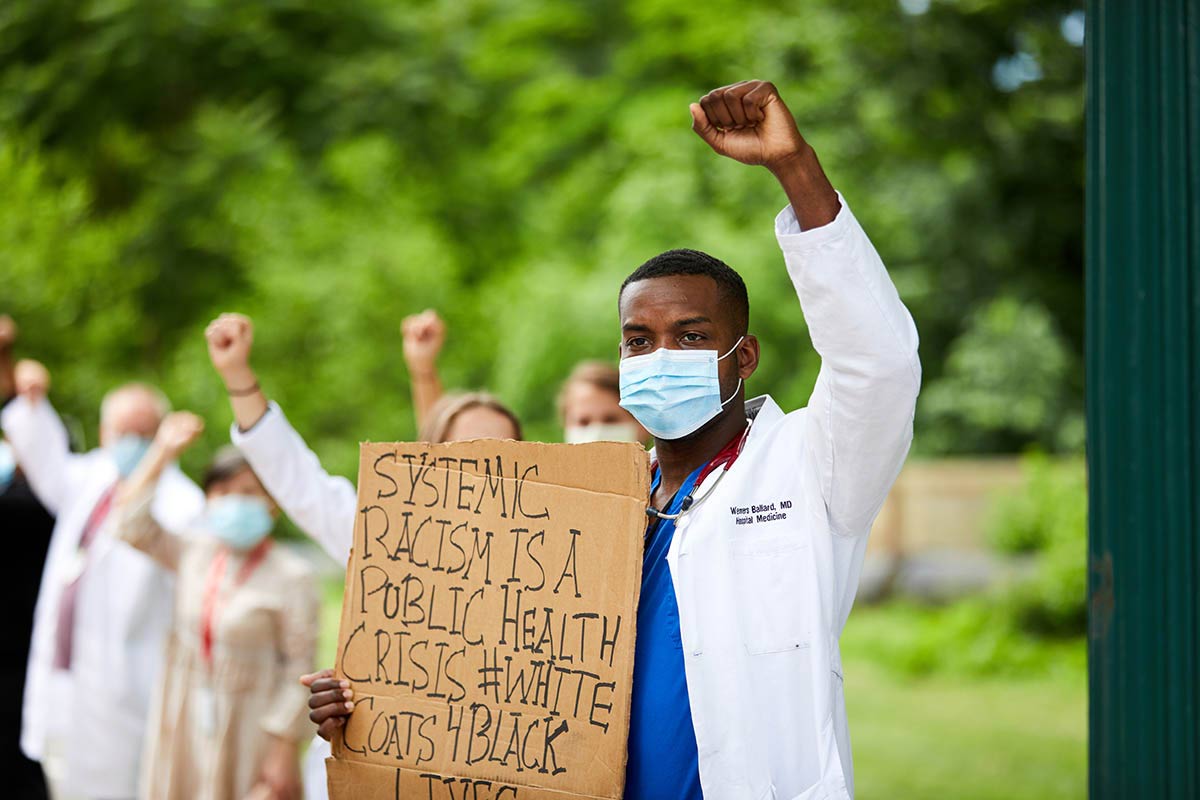
All Canadians have the right to access healthcare. Discriminatory treatments, however, make it difficult for minority groups such as Black, Indigenous, and people of colour to exercise this right.
How Canada’s MAiD Laws Leaves Vulnerable Individuals Open to Abuse
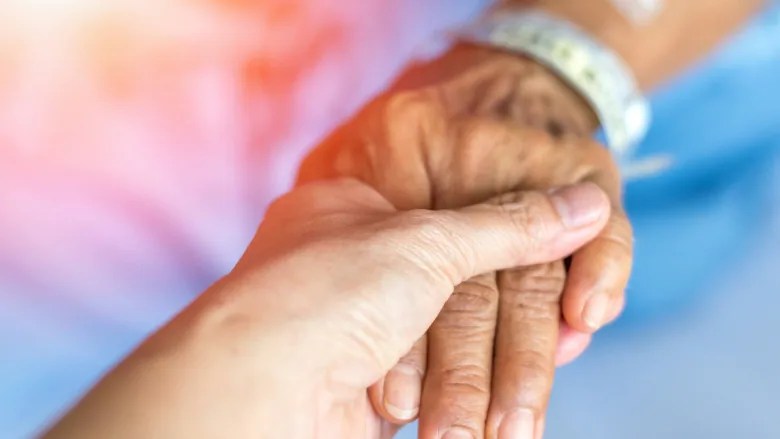
On June 17, 2016, a hallmark decision regarding Canadian health policy was made. Bill C-14 was passed, legalizing medically assisted suicide and voluntary euthanasia in Canada in the form of MAiD (Medical Assistance in Dying). For many Canadians who lived with terminal illnesses, as well as loved ones who had been a witness to their pain, this was a moment to rejoice and celebrate. While this was a definite step forward for Canada, recent implications regarding the use of this policy have been deemed problematic by critics, as an increasing number of people are turning to assisted suicide as a method of liberation from poverty or other social injustices. Stronger social safety nets and more well-developed policies regarding the uses of MAiD are needed to curb this disturbing trend. As Canadians, we need to ensure that not only do we have the right to die with dignity, but to live in dignity as well.
Everyone Deserves Exercise: The Steadward Centre for Personal & Physical Achievement

Exercise is essential to maintain physical and mental health: without exercise the sharpness of our minds, our happiness, and our bodily processes deteriorate. Exercise is not just weightlifting, running, or playing competitive sports— there are many ways to stay active if you are able-bodied! Walking with friends, going skating, or joining a beginner intramural team are all ways that you can take care of your health. However, for people who cannot get their heart beating a little faster without expensive equipment or additional support, finding a good way to stay active might be challenging. The Steadward Centre for Personal and Physical Achievement at the University of Alberta has the vision of facilitating adapted physical activity and para sport opportunities for everyone. The Centre directs their attention primarily to innovative programming and fitness opportunities for people experiencing disabilities while simultaneously functioning as a research and education facility.
Eliminating the Health Disparities Faced by the LGBTQ+ Community

Until 1973, homosexuality was listed as a disorder in the Diagnostic and Statistical Manual of Mental Disorders. Although the evolution of our society has led to some understanding of the importance of protecting people from discrimination in healthcare settings, some clinicians still harbour harmful anti-LGBT attitudes. Healthcare professionals take an oath to “do no harm” when treating patients. If medics do not uphold this rule, how are they ensuring that absolutely no harm is being done? Creating an affirming and inclusive environment for the LGBTQ+ community requires a combination of understanding members as their own population whilst treating every LGBTQ+ person as a unique individual. This article highlights some strategies that current (and prospective) healthcare professionals can use to ensure that.
 Campus UNICEF