Combatting The Psychological Impact of COVID-19

As one of the most devastating global health crises in decades, the COVID-19 pandemic completely ravaged economic systems, societal structures, and thousands of livelihoods.[1] While the world appeared to be falling apart, many began to struggle with their mental health, as the isolation, instability, and chaos were starting to take their toll. Tragically, the pandemic exacerbated the challenges that individuals faced with their mental health by increasing the prevalence of anxiety, depression, and suicidal thoughts and behaviours.[2][3] Although the degree of these struggles varies from person to person, a few similarities have emerged. 

For instance, it has become evident that one of the most common symptoms that individuals are experiencing is elevated levels of stress. Especially in healthcare workers, the unprecedented changes in protocol and increased workloads have intensified exhaustion. Additional factors responsible for their debilitating fatigue include inadequate organizational support, overwhelming increases in people seeking care, and moral injury from witnessing thousands of patient deaths.[13] To put this into perspective, a staggering 60% of physicians, nurses, and pharmacists reported symptoms of burnout; consequently, these emotional burdens have triggered a troublesome increase in suicidal ideation within the healthcare field. [4][5][6] In addition to frontline workers, children, adolescents, and other civilians have also endured elevated mental strain, as food insecurity, school closures, and economic instability have created new challenges in their everyday lives.[8]

Moreover, another predominant pattern revealed by studies is the severe effects of the pandemic on the mental health of minority groups; this includes Indigenous peoples, people of colour, and those with disabilities. [7] A Canadian university student whose experiences exemplify these magnified struggles faced by minority groups is Zaid Baig.[14] During the pandemic, Baig began to severely struggle with his mental health, as he found it difficult to cope with the isolation, hopelessness, and shift to virtual learning. Eventually, Baig’s mental anguish became so unbearably intense that he attempted to physically harm himself. After reaching this breaking point, Baig realized he needed to seek psychiatric support; however, since Baig’s South Asian descent makes him part of the Black, Indigenous, and people of colour (BIPOC) community, cultural stigma became a barrier to receiving care. In minority communities like these, members struggle to find mental health professionals who can understand their cultural backgrounds and experiences. As an additional challenge, different cultural perceptions of mental health can prevent people from seeking help, as talking about mental struggles can be seen as a taboo. The challenges faced by these vulnerable populations were amplified, as they had less access to resources, proper health care, and mental health support.[9]

While it may seem like the pandemic is behind us, the effect that it has had on our mental health continues to linger. To make matters worse, poor insurance coverage for mental health services and long wait times have imposed treatment barriers for many. Even in the time following the pandemic, no significant changes have been made to insurance policies. While private insurance providers do provide some mental health coverage, typically between $500 – $1500 annually, this only accounts for the cost of approximately 2-8 counseling sessions; often, this isn’t enough to fully help those in need.[15] Therefore, the only option for those who require more sessions or don’t have insurance altogether is to pay out-of-pocket. Considering that mental health care continues to be rather unaffordable, this creates unnecessary financial burdens on many individuals. Additionally, the prolonged wait times for therapy sessions, psychiatric appointments, and inpatient treatment programs are also preventing people from receiving help. To illustrate the intensity of this problem, some Canadians have been on waitlists for up to 2 and a half years, due to the surge of those seeking care.[15] For instance, since the demand for eating disorder treatment programs soared following the pandemic, wait times have also increased. Consequently, because of this lack of availability, doctors are needing to wait before admitting patients who are already in life-threatening conditions. This is especially evident in Sally Chaster’s experience. Chaster, a Canadian woman struggling with anorexia nervosa, needed to wait a staggering eight months before accessing treatment services.[16] Bearing in mind that anorexia nervosa has the highest mortality rate of all mental illnesses, this could have become a catastrophic situation, as Chaster was unable to receive help when she first needed it. Ultimately, these long wait times are detrimental for all who are suffering mentally, as they allow an individual’s symptoms to prolong and intensify; concurrently, this negatively interferes with their quality of life, as these barriers prevent them from receiving the help they desperately need. 

During the peak of the pandemic, various efforts were made to help the influx of those requiring support; however, we cannot stop now, as this continues to be an ongoing crisis. Although this has been a harsh wake-up call, we can use this as an opportunity to strengthen the mental health response across the world. By raising awareness, we can begin to advocate for increased funding, more resources, and better support. The road ahead may seem daunting, but it doesn’t diminish the value of the destination; with proper action, change will be possible. Undoubtedly, community-based initiatives and mental health service providers are excellent resources for support, but listed below are 6 tools that you can use to foster a better sense of well-being! Additionally, there are some tips on how you can help loved ones with their mental health, while also working towards achieving SDG 3! 

Give Yourself Permission to Relax

Relaxation is crucial in managing stress, as it can regulate your heart rate, improve brain functioning, and help you switch off your fight or flight response. Although it can be difficult to intentionally allow yourself to take breaks, starting small will be beneficial in allowing you to feel less overwhelmed, anxious, and stressed. Relaxation practices can vary from person to person, but some common techniques include breathing exercises, meditation, or simply being mindful while completing an activity you enjoy. 

Prioritize Proper Sleep

While it may be tempting to stay up late, lack of sleep has proven to increase feelings of despair, hopelessness, and distress. Therefore, good-quality sleep is essential for your well-being, as being well-rested improves your mood by reducing irritability, enhancing concentration, and energizing you to engage in positive behaviors. 

Take Care of Your Physical Health

Without a doubt, our physical health and mental health are intertwined. Even small amounts of exercise can benefit your mental health, as regular physical activity releases endorphins that enhance your overall well-being. If you feel comfortable, you can go to the gym, or you can do something as simple as going for a walk or riding your bike. Additionally, ensuring that you’re staying hydrated and eating a healthy, balanced diet is crucial, as it improves your brain functioning and allows you to feel your best. Minimizing caffeine intake can also help alleviate some symptoms of anxiety, especially feelings of restlessness. 

Talk to Someone You Trust

It can feel overwhelming when hundreds of thoughts seem to be spiraling in your head. Talking about your struggles to a friend, family member, teacher, or another trusted individual can provide you with a sense of relief. It can allow you to feel less alone, acquire a new perspective on your situation, and free yourself from the thoughts and feelings you’ve trapped inside. 

Practice Gratitude

When we’re struggling with challenges, it’s easy to forget about the good that remains in our life. Even though you may not always feel grateful about anything, starting to appreciate the little things that you take for granted can improve your mood, restore hope, and promote happiness. Practicing gratitude can be as grand as writing out a list every day, or as simple as thinking about something you appreciate.

Reach Out For Help if You Need it 

Asking for professional help is never a sign of weakness but of strength. If you ever feel like you need additional support or are unable to cope with the symptoms you’re experiencing, you don’t need to struggle in silence. Regardless of your situation, you are valid and there are many supports available to help you. Doctors, therapists, and social workers are some of the professionals you can reach out to, and listed below are some resources you can use. 

  • Kids Help Phone: 1-800-668-6868 
  • Talk Suicide Canada: 1-833-456-4566
  • 911: If you or a friend/family member expresses an intent to harm themselves or others and are in immediate danger, call emergency services. 
  • First Nations, Metis, and Inuit Peoples Hope for Wellness Crisis Line: 1-855-242-3310

https://www.sac-isc.gc.ca/eng/1576089519527/1576089566478

  • 24/7 Mental Health Helpline For Albertans: 1-877-303-2642

How To Support Loved Ones Who Are Struggling

If you have a friend, family, or loved one who is struggling with their mental health, it can be difficult to know how to effectively support them. Although they might be withdrawing themselves from you, make an attempt to talk to them. When doing so, don’t force them to open up, but present them with an opportunity to talk. For instance, you could ease into the conversation by mentioning that you’ve recently noticed that they’ve been struggling and that you’re willing to listen if they want to talk. If they do choose to open up, be respectful, empathetic, and attentive to what they’re saying. Instead of invalidating their feelings, offer reassurance by understanding their perspective; genuinely acknowledge that this is a difficult situation for them. Even though you may not be a mental health professional, you can suggest resources, recommend coping strategies that help you, and offer to help in whatever way you can! As always, if this individual is in immediate danger to themselves or others, call 911.

Written by: Tiara Gonsalkoralage

Edited by: Zuairia Shahrin

Works Cited 

  1. World Health Organization. (2022, June 16). The Impact of Covid-19 on Mental Health Cannot Be Made Light Of. World Health Organization. Retrieved February 23, 2023, from https://www.who.int/news-room/feature-stories/detail/the-impact-of-covid-19-on-mental-health-cannot-be-made-light-of
  2. United Nations. (n.d.). Goal 3 | Department of Economic and Social Affairs. United Nations. Retrieved February 21, 2023, from https://sdgs.un.org/goals/goal3
  3. World Health Organization. (2022, March 2). Mental health and covid-19: Early evidence of the pandemic’s impact: Scientific brief, 2 March 2022. World Health Organization. Retrieved February 23, 2023, from https://apps.who.int/iris/handle/10665/352189
  4. World Health Organization. (2022, March 2). Covid-19 Pandemic Triggers 25% Increase in Prevalence of Anxiety and Depression Worldwide. World Health Organization. Retrieved February 26, 2023, from https://www.who.int/news/item/02-03-2022-covid-19-pandemic-triggers-25-increase-in-prevalence-of-anxiety-and-depression-worldwide
  5. Stress in Healthcare Workers: A Model to Help us Rethink Challenges. McGill University Health Centre. (2022, May 3). Retrieved February 28, 2023, from https://muhc.ca/news-and-patient-stories/news/stress-healthcare-workers-model-help-us-rethink-challenges
  6. Koontalay, A., Suksatan, W., Prabsangob, K., & Sadang, J. M. (2021, October 27). Healthcare Workers’ Burdens During the COVID-19 Pandemic: A Qualitative Systematic Review. Journal of multidisciplinary healthcare. Retrieved February 24, 2023, from https://www.ncbi.nlm.nih.gov/pmc/articles/PMC8558429/
  7. Covid-19 and Suicide – Mental Health Commission of Canada. (n.d.). Retrieved February 24, 2023, from https://www.mentalhealthcommission.ca/wp-content/uploads/2021/06/covid_and_suicide_tip_sheet_eng.pdf
  8. Tracking the COVID-19 economy’s effects on food, housing, and employment hardships. Center on Budget and Policy Priorities. (2022, February 10). Retrieved February 26, 2023, from https://www.cbpp.org/research/poverty-and-inequality/tracking-the-covid-19-economys-effects-on-food-housing-and 
  9. COVID-19: The Disproportionate Impact on Marginalized Populations. COVID-19: The Disproportionate Impact on Marginalized Populations | Jane Addams College of Social Work | University of Illinois Chicago. (2020, April 29). Retrieved February 22, 2023, from https://socialwork.uic.edu/news-stories/covid-19-disproportionate-impact-marginalized-populations/
  10. Mental health and Covid-19: Early evidence of the pandemic’s impact. (2022, March 2). Retrieved February 26, 2023, from https://apps.who.int/iris/bitstream/handle/10665/352189/WHO-2019-nCoV-Sci-Brief-Mental-health-2022.1-eng.pdf?sequence=1&isAllowed=y
  11. World Health Organization. (2022, October 13). Impact of Covid-19 on People’s Livelihoods, their Health and our Food Systems. World Health Organization. Retrieved February 26, 2023, from https://www.who.int/news/item/13-10-2020-impact-of-covid-19-on-people%27s-livelihoods-their-health-and-our-food-systems
  12. World Health Organization. (2021, October 7). 6 ways to Take Care of your Mental Health and Well-Being this World Mental Health Day. World Health Organization. Retrieved February 28, 2023, from https://www.who.int/westernpacific/about/how-we-work/pacific-support/news/detail/07-10-2021-6-ways-to-take-care-of-your-mental-health-and-well-being-this-world-mental-health-day
  13. Murthy, V. H. (2022, July 13). Confronting Health Worker Burnout and Well-Being | Nejm. Retrieved March 1, 2023, from https://www.nejm.org/doi/full/10.1056/NEJMp2207252
  14. Anand, A. (2023, February 1). Taboos and therapists who don’t understand: Mental health struggles more complicated for BIPOC Youth | CBC News. CBCnews. Retrieved March 1, 2023, from https://www.cbc.ca/news/canada/ottawa/mental-health-bipoc-youth-struggles-stories-ottawa-1.6730187
  15. Moroz, N., Moroz, I., & Slovinec D’Angelo, M. (2020, July 2). Mental Health Services in Canada: Barriers and cost … – sage journals. Retrieved March 1, 2023, from https://journals.sagepub.com/doi/full/10.1177/0840470420933911
  16. Dubois, S. (2022, August 13). Wait times for eating disorder treatment in Canada grow during the pandemic | CBC news. CBCnews. Retrieved March 1, 2023, from https://www.cbc.ca/news/health/wait-times-for-eating-disorder-treatment-in-canada-grow-during-the-pandemic-1.6533635


Forty Three Years and 120,000 Lives Later

TW: Murder, Domestic Violence

“In February of 1979 Tehran was in chaos”. Says my grandmother, who lived during the Islamic revolution. Months ago when we spoke, she was unsure of how long the protests would last.   She said: “we’re far from a revolution, people will get scared away”. She was hopeless then, but in our most recent conversation she said proudly, “Iran is in chaos. This is a revolution”. 

Here are some under 10-minute actions you can take to directly save lives: 

  1. Sign petitions on https://www.change.org/  

A lot of people think signing petitions won’t make a difference. IT DOES. 

  1. Post on social media and take it seriously! 

As a result of abundant attention social media has brought to the crisis in Iran, many activists have been released,  prisoners have received political sponsors, and many executions have been paused as a result of the calls to action. This is one of the first times that people posting on social media, interacting, and using hashtags has led to an actionable difference. 

Some reliable sources: 

      @Nazanin Nour 

      @Nazanin Boniadi 

      @Masih Alinejad 

      @1500-tasvir

      @Chelseahartisme  

     (On both Instagram and Twitter)

      @Bethevoice.community 

      @Smohyeddin

      @Middleeastmatters

      @Damitdasklaas

      (Only on Instagram)

  1. Email and call your MPs and representatives. Request more media coverage! You can find a link of all MPs for different provinces in Canada below! 

https://www.4mycanada.com/contact-mp-senator?fbclid=PAAaazTUpUry_s-aYYvpO5BIttowU1l7sdLWfXBE2V-w3QC9xgp-Tg_FsbPN8

  1. Attend protests. 

Reach out to your local Iranian community. We welcome each and every one of you. We appreciate your care and support. You can reach out to Iranian Heritage Society of Edmonton (IHSE) via email, instagram, or twitter! We are also a part of the Iranian Students’ Association at the University of Alberta (ISAUA). 

  1. Try to stay updated.

Remember detained, and murdered individuals are humans that have a story. They’re not just names and numbers, and the number of people in danger is increasing as we speak. 

  1. Lastly, please be kind to yourselves and to your Iranian friends. Use your privilege wisely and be the voice of Iranians. 

Four decades ago, Iranians swelled with pride, hope and expectations of a better future. Dreams of freedom and independence from Western countries controlling  Iran  fired up the revolutionaries: The  Islamic republic (IRGC), a theocracy built on ideological choices inspired to great extent by Ayatollah Khomeini. It was a rapid, great change: it led to deep and long lasting wounds. New rules were put into effect to forbid anything that might lead people astray and prevent them from ascending to a heavenly afterlife. These measures include strict controls on media, which isolated Iranians from Western influences; the absolute segregation of the sexes in public places, mandatory headscarves for women, bans on alcohol and musical instruments, and even rules   forbidding girls from  attending elementary school without the mandatory headscarf. It went on and on, zealously and brutally enforced by the IRGC morality police and parliamentary forces (Basijis). 

It didn’t take too long for people to start protesting against this dictatorship and for Iranians to  face extreme backlash and criminal violations in return. According to sources, 120 000 Iranian citizens: men, women, and children have been terrorized during anti-government protests since the Islamic revolution in 1979. Repression, genocide, massacre  and terror became the day-to-day reality of Iranians. These horrors drastically affected Iranian children, as one of the most vulnerable populations who are essentially never safe under this dictatorship. Children continue to suffer from child marriage, violent family dynamics, unacceptable work conditions, and malnutrition.We can look to the quality of life that children experienced in 2021 to reflect these atrocities.

In 2021 alone, in the province of Sistan Baluchestan (Iran), 12,000 children under the age of five were suffering from malnutrition (Doe, 2022). Iran registered 172 marriages of young girls between the age of five to nine years old (NCRI Woman Committee, 2022). Children are facing severe violence at home; Mona Heydari (17) was beheaded by her adult husband who then proceeded to parade her served head on the streets to prove his honor (Esfandiari, 2022). Many young women and girls face domestic violence in the family, as well; daughter and child Romina Ashrafi (14) was beheaded by her father in an act of honor to his community (Esfandiari, 2020). 

During protests in different years, hundreds of children and teenagers were tortured and killed. On January 8th, 2020, in an intentional act of terror, the Islamic Republic shot a passenger plane (#PS752), killing all passengers and crew including 20 children. In the most recent uprisings following the death of 22-year old Mahsa Amini in September 2022, at least 70 children were reportedly killed by the IRGC forces. 

UNICEF has failed to take any proper action towards holding the Islamic Republic of Iran accountable for their acts of terror and has also failed to raise awareness of the countless protests and calls to action for change.   It wasn’t until National Children’s Day, November 27th, 2022, that UNICEF “responded” to the violations Iranian children have been facing over the past four decades, with only an Instagram story that quotes that they “condemn the killing of Iranian children”.

As anti-government protests roil cities in Iran for the fifth month since Mahsa Amini’s death, tens of thousands of Iranians living abroad have also marched on the streets of their countries to stand with their people. And now, the time has come; “It is time for concrete action by the  international community to hold Iran’s government accountable.” (United Nations, 2022).  Condemnation is NOT enough. 

In the past five months Iranians all around the world have proved that hope prevails. We have two possible paths in front of us: either repression will increase to crack down on every form of protest, or resistance groups will form to confront security forces. 

The most important means of resistance that Iranians have is hope. To know we are standing on the right side of the history, Iranians are doing everything in their power to get Western society involved and inspiringly, our work has already had positive outcomes: 

  1. The Human Rights Council has created a fact-finding mission, related to the protests that began on September 16, 2022. 
  2. UN expels Iran from women’s rights body, accusing the Islamic republic of systematic violations of women’s rights. 
  3. politicians across the globe are sponsoring Iranian political prisoners. So, they can use their political sway in communicating with Iranian ambassadors, other politicians and human rights organizations in bringing attention to the life of Iranian prisoners.
  4. On January 19th 2023, the European Parliament voted to urge terrorist listing of IRGC.
  5. Organizations such as NIAC, that are lobbying for the Islamic Republic have lost their worldwide credibility.  

These are all examples proving the power of activism. The power of care, and the power of hope! Iran will never be the same. for women, for life, and for freedom. 

Written by: Parishad Kavyani

Edited by: Sara Assaf

Works Cited:

Al Jazeera. “UN Expels Iran From Women’s Rights Body for Protest Crackdowns.” United Nations News | Al Jazeera, 14 Dec. 2022, www.aljazeera.com/news/2022/12/14/un-expels-iran-from-un-womens-rights-body-for-protest-crackdowns.

Doe, Jane. “Child Malnutrition on the Rise in Sistan and Baluchistan.” IranWire, 18     Mar. 2022, https://prod.iranwire.com/en/news/71125. 

Esfandiari, Golnaz. “Beheading of 17-Year-Old Shakes Iran, Renews Debate About Violence Against Women.” RadioFreeEurope/RadioLiberty, 9 Feb. 2022, www.rferl.org/a/iran-beheading-honor-killing-violence-women/31693367.html.

“Gruesome Death of Iranian Teenager Shows Shame of ‘Honor’ Killings.” RadioFreeEurope/RadioLiberty, 8 June 2020, http://www.rferl.org/a/iranian-father-s-gruesome-murder-of-daughter-shows-shame-of-honor-killings/30653304.html.

Iran International Newsroom. “In Fear of IRGC Terrorist Listing, Regime Officials Threaten Europe.” Iran International, 18 Jan. 2023, www.iranintl.com/en/202301186217.

“Iran: The World Must Take Action to Protect Women and Protesters.” ARTICLE 19, 27 Sept. 2022, http://www.article19.org/resources/iran-protect-women-and-protesters.

“Killings and Detentions of Children in Iran Must End, UN Child Rights Committee Urges.” UN News, 17 Oct. 2022, news.un.org/en/story/2022/10/1129612.

NCRI Women Committee. “Iran Registers 172 Marriages of Young Girls Between 5 and 9 Years Old.” NCRI Women Committee, 17 Jan. 2022, women.ncr-iran.org/2022/01/17/172-marriages-of-young-girls.

Persian, Voa. “UNICEF Condemns Violence, Abuse of Children in Iran Protests.” VOA, 28 Nov. 2022, http://www.voanews.com/a/unicef-condemns-violence-abuse-of-children-in-iran-protests/6852752.html.

Save the Children International. “Investigation Needed Into Treatment of Children During Iran Protests: Save the Children.” Save the Children International, 7 Nov. 2022, http://www.savethechildren.net/news/investigation-needed-treatment-children-during-iran-protests-save-children.

Sinaee, Maryam. “Protests in Iran, Abroad Boost Sense of Unity, Solidarity.” Iran International, 24 Oct. 2022, http://www.iranintl.com/en/202210243395.

“Time for ‘Concrete Action’ by International Community to Hold Iran’s Security Forces to Account.” UN News, 27 Oct. 2022, news.un.org/en/story/2022/10/1129937.

“UN Rights Body Launches Iran Human Rights Investigation.” UN News, 24 Nov. 2022, news.un.org/en/story/2022/11/1131022.

VOA Persian Service. “International Politicians Sponsoring Iranian Prisoners.” VOA, 2 Jan. 2023, http://www.voanews.com/a/international-politicians-are-sponsoring-iranian-prisoners-/6899587.html.

Racism in Healthcare

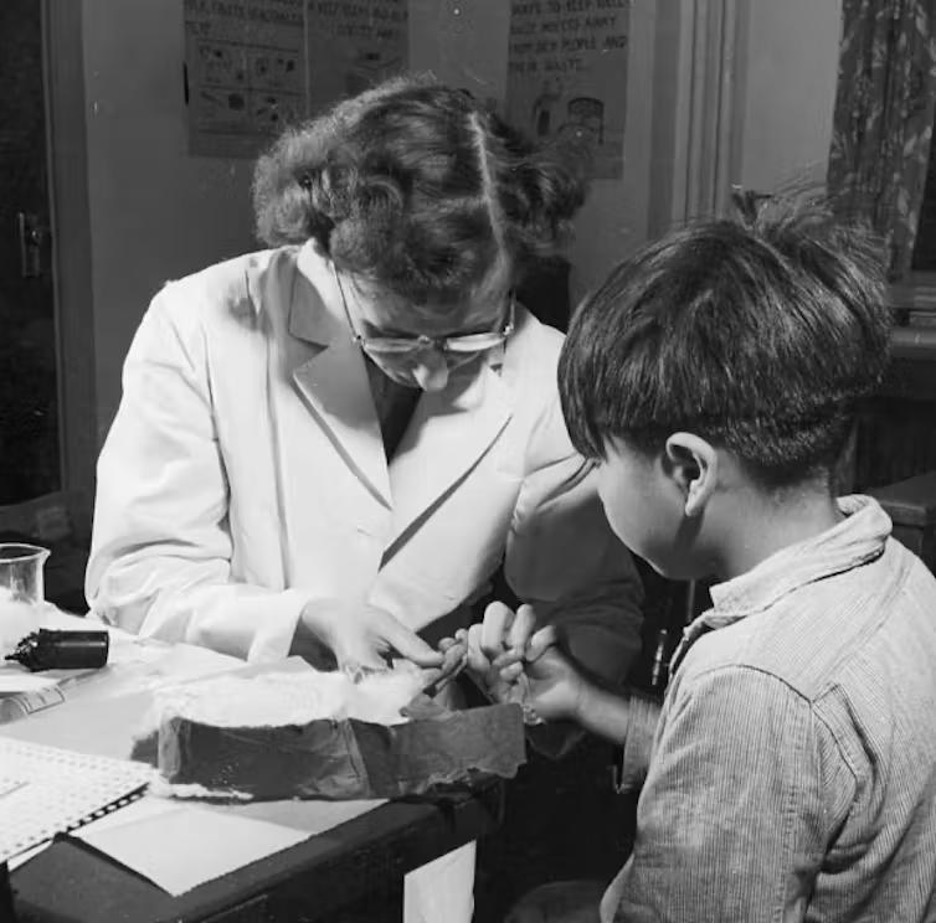
All Canadians have the right to access healthcare. Discriminatory treatments, however, make it difficult for minority groups such as Black, Indigenous, and people of colour to exercise this right. A historical case that exemplifies healthcare’s mistreatment of Black people is an American physician, Samuel Adolphus Cartwright’s invention of the ‘mental illness’ drapetomania in the 1850s. What this ‘mental illness’ entailed is as ridiculous as its name makes it sound: the disease that made the slaves desire freedom and run away. Cartwright also created another illness named dysaesthesia ethiopica which purportedly made the slaves indifferent to the punishment given by their owners. These made-up diseases were used to justify how Black people were psychologically and physiologically suited for slavery. Another historical case is the one that occurred in the 1940s, when Indigenous children were forced to starve in six residential schools. The Canadian physicians took advantage of such conditions in order to study the effects of malnutrition. They experimented on the children by altering their diet which consisted of meals that were minimal in quantity and abhorrent in quality. Russell Moses, an Indian Affairs Branch employee who attended the Mohawk Institute in Ontario, from 1942 to 1947, explained that “hunger was never absent” for him and other children in residential schools. 

How does our healthcare system treat minorities today? Perhaps racism is not as overt as it was in the past. Or so we might think. But it surely exists in our current healthcare system. The mistreatment of an Indigenous man from Manitoba, Brian Sinclair, sheds light on undeniable racism in healthcare. In 2008, Brain was referred to the emergency department of Winnipeg’s Health Sciences Centre by his primary care physician and was met with 34 hours of negligence. He eventually died due to complications of a bladder infection that was treatable had he been taken care of by the physicians immediately. Furthermore, a request to inquire into Brian’s death was denied by the Manitoba government. Only after five years passed since his death did the inquest begin. The inquest revealed how discriminatory actions from health care professionals led to the tragic and unjust event of his death. There were multiple witnesses who testified that staff made assumptions about Brian such as that he was intoxicated or homeless. Nurses, despite their claim that they have never noticed Brian, were seen in the hospital’s camera to have walked right by him when he was in urgent need of help. In January 2014, however, it was ruled that racism was beyond the mandate of the inquest which meant that the role of racism, on both an individual and systemic level, will not be analyzed when it comes to patient health. 

Presence of racism can not only be seen in single instances but also in statistical data of collected experiences of minorities in healthcare. In a study done by Husbands et al., among 1360 Black Canadian participants living in Toronto and Ottawa, around 60% reported experiencing racism within 12 months before the study. The likelihood increased if participants were older, employed, born in Canada, obtained high levels of education, identified as LGBTQ, and reported to have moderate access to basic needs and housing. Apart from age and LGBTQ identity, many of these factors are generally thought of as positive social determinants of health.  This suggests that these social protective factors still are not sufficient in preventing Black Canadians from experiencing racism. Further, it was reported that one of every five participants felt difficulty accessing healthcare, and of those, 25% attributed such difficulty directly to racism, while 30% and 10% attributed it to more specific reasons that are indirectly related to racism. Moreover, Black Canadians were less likely to be tested for HIV due to their experiences with racism. Such effects of racism contribute significantly to health inequities between Black Canadians and other demographics. 

From historical cases to modern ones, in both case studies and population-scale research, it is evident that the Canadian healthcare system often mistreats the minorities in our society. It is clear that racism is a prominent and an important issue in healthcare that ought to be resolved. As citizens of a country that embraces multicultural values and harmony, we must take whatever steps we can to help fight against racism in our society as well as advocate for minorities’ voices to be heard.

Written by: Erica Kim

Edited by: Zuairia Shahrin & Kritika Taparia

Works Cited:

“Drapetomania: When Fighting Oppression Is a ‘Mental Illness.’” Psychology Today, Sussex Publishers, https://www.psychologytoday.com/ca/blog/machiavellians-gulling-the-rubes/202105/drapetomania-when-fighting-oppression-is-mental-illness.

Husbands, Winston, et al. “Black Canadians’ Exposure to Everyday Racism: Implications for Health System Access and Health Promotion among Urban Black Communities.” Journal of Urban Health : Bulletin of the New York Academy of Medicine, U.S. National Library of Medicine, Oct. 2022, https://www.ncbi.nlm.nih.gov/pmc/articles/PMC9447939/.

Mosby, Ian, and Tracey Galloway. “‘Hunger Was Never Absent’: How Residential School Diets Shaped Current Patterns of Diabetes among Indigenous Peoples in Canada.” CMAJ, CMAJ, 14 Aug. 2017, https://www.cmaj.ca/content/189/32/E1043.

Nourish. “Ignored to Death: Systemic Racism in the Canadian Healthcare System.” Nourish Leadership, Nourish Leadership, 29 Apr. 2021, https://www.nourishleadership.ca/resources-1/2021/4/9/ignored-to-death-systemic-racism-in-the-canadian-healthcare-system. 

How Canada’s MAiD Laws Leaves Vulnerable Individuals Open to Abuse

On June 17, 2016, a hallmark decision regarding Canadian health policy was made. Bill C-14 was passed, legalizing medically assisted suicide and voluntary euthanasia in Canada in the form of MAiD (Medical Assistance in Dying). For many Canadians who lived with terminal illnesses, as well as loved ones who had been a witness to their pain, this was a moment to rejoice and celebrate. While this was a definite step forward for Canada, recent implications regarding the use of this policy have been deemed problematic by critics, as an increasing number of people are turning to assisted suicide as a method of liberation from poverty or other social injustices. Stronger social safety nets and more well-developed policies regarding the uses of MAiD are needed to curb this disturbing trend. As Canadians, we need to ensure that not only do we have the right to die with dignity, but to live in dignity as well. 

While MAiD  is a vital program for ensuring the rights of the terminally ill, the policy fails to ensure safeguards to protect those vulnerable to economic and social injustices from misuse of the program. The United Nations has expressed concern to the federal government that “persons with disabilities may decide to end their lives because of broader social factors such as loneliness, social isolation, and lack of access to quality social services” (Mulligan & Bond, 2022). Such circumstances have already come to light, considerably in the case of Amir Farsoud. Farsoud receives benefits from Ontario Disability Support Payments for his debilitating back pain, but unfortunately, the payments are insufficient to support him (Mulligan & Bond, 2022). Faced with the threat of homelessness, Farsoud chose MAiD as an alternative. Unfortunately, in this case, it was not pain or illness, but lack of access to financial aid and social support services that led him to the decision. Not just a lack of resources, but the possibility of coercion for MAiD has also come up. Roger Foley, who suffers from a degenerative brain disease, reported that he felt he was being manipulated into choosing MAiD as doctors brought up the possibility of MAiD if he was unable to get the self-directed funding he was aiming to get, citing the hospital bills he would otherwise incur (Harris, 2020). In circumstances as sensitive as these, should medical care providers be permitted to broach the possibility of MAiD without first exploring all other viable options and without the prompting of the patient? Cases similar to that of Farsoud and Foley have been reported, where a lack of policy of the MAiD system leaves one susceptible to exploitation by the system. Certain aspects of the management and procedural guidelines of MAiD must be addressed in order to remedy the issue.

Firstly, it is not feasible to think of the dissolution of MAiD as a viable solution. Assisted dying is an important medical freedom and must be maintained. Instead, it must be ensured that the system itself is improved in order to prevent abuse of the vulnerable. Inequities in our society are driving people to choose MAiD, and we must do our best to remove the inequities themselves, as this could lead to entirely different outcomes, as seen in the aftermath of Farsoud’s case. After going public with his story, Farsoud was met with an outpouring of support, significantly through a GoFundMe which raised money for him to find a new housing situation (Mulligan & Bond, 2022). This allowed him to rescind his application for MAiD, as he now possessed the provisions needed to live a dignified life. The situation showcases how a lack of resources can lead one to consider assisted suicide, and how the loss of life can be prevented by providing adequate support to them to live their lifestyle. Unfortunately though, this should not be happening through the use of a GoFundMe, but instead governmental support should be expanded to ensure that everyone’s social safety net can care for them. Looking critically at social policies regarding poverty, homelessness, and disability benefits and improving them not only strengthens society as a whole, but is vital in ensuring that the misuse of MAiD does not occur. Additionally, policies specifically pertaining to MAiD must be scrutinized themselves. For this, we can look at countries who have a longer history of performing voluntary euthanasia, such as the Netherlands and Belgium, as an example. In such countries, doctors must inform patients of all possible alternatives before referring MAiD, which is not necessary in Canada (Webster, 2022). This becomes especially important when patients are pursuing MAiD due to mental health reasons or reasons pertaining to economic distress, as finding an alternative to satisfy their needs could be the measure that leads them to reconsider MAiD. To add, in most places where euthanasia has been legalised, it is discouraged or disallowed for the healthcare provider to independently bring up the prospect of using MAiD, as it could lead to coercion (Kirkey, 2022). This is not the case in Canada. University of Toronto bioethicist, Kerry Bowman states it is “very problematic when we bring (MAiD) up to people who can’t pay the rent, or people who are living with disability who don’t have adequate access to the things that they need”, as “some people, no matter how well-handled your conversation, may infer that it’s essentially a suggestion” (Kirkey, 2022). Considering the power imbalances that are present in a patient-doctor relationship, an emphasis on patient initiative would be ethical. Overall, considering the societal and moral contexts that can lead to MAiD, efforts should be made to reconfigure the policy for the benefit of those seeking treatment by expanding government assistance and remedying current MAiD guidelines. 

While, MAiD has been helpful to many across Canada in ensuring that they can have a peaceful and dignified end, there are also instances in which people have been abused and exploited by that same system. As the Canadian government moves onwards towards expanding MAiD eligibility, it becomes imperative to take a look at the current fallacies of the system so that they too can be addressed in a parliamentary manner through policy and guideline. It is time to ensure that death with dignity is not an alternative to life without dignity.

Works Cited

Bond, M., & Mulligan, C. (2022, November 16). Ontario man not considering medically-assisted death anymore after outpouring of support. CityNews. Retrieved December 13, 2022, from https://toronto.citynews.ca/2022/11/16/ontario-medically-assisted-death-support/

Harris, K. (2020, November 10). Disability advocates say assisted dying bill fails to protect vulnerable Canadians | CBC News. CBCnews. Retrieved December 17, 2022, from https://www.cbc.ca/news/politics/maid-assisted-dying-legislation-disabilities-1.5796697

Kirkey, S. (2022, November 2). Canadian doctors encouraged to bring up medical aid in dying first … National Post. Retrieved December 29, 2022, from https://nationalpost.com/news/canada/canada-maid-medical-aid-in-dying-consent-doctors

Webster, P. (2022, September 10). Worries grow about medically assisted dying in Canada. The Lancet. Retrieved Jan 3, 2023, from https://www.thelancet.com/journals/lancet/article/PIIS0140-6736(22)01733-0/fulltext 

Written by: Manat Sidhu

Edited by: Tiara Gonsalkoralage

The Uphill Battle of the Judicial System

“Innocent until proven guilty” offers a comforting illusion, it insinuates the ability to fight for your freedom through trial without prejudice. While this thought is relieving for many, we fail to consider how the verdict is determined before we even set foot into the courtroom. It’s decided by something much more complicated – wealth. Lawyers are indeed an integral part of our society, they defend, sentence and serve us. However, often underrepresented and discarded, are the most critical lawyers of all: legal aid lawyers. Legal aid lawyers are public lawyers assigned to those who cannot afford private ones, and while not completely free, they offer affordable prices for a variety of clients. While this may be largely beneficial, there are many faults in this system that negate the affordability of the service. The main flaw in this system lies in the treatment of legal aid lawyers. These lawyers are often underpaid and overworked which often results in the inability to represent and defend their clients to the best of their ability. Moreover, legal aid services offered by a wide range of lawyers also face a lack of funding, exacerbating already existing issues and worsening conditions for individuals in need of legal services.

Legal aid lawyers represent about 10% of overall lawyers in Canada, with around 91% being lawyers that belonged to a private firm. As wealth inequality continues to increase, we witness in response an ever-increasing demand for affordable defense. However, this is a demand that cannot be met. In 2020/2021, there were 224,000 applications concerning adult matters, excluding youth and family matters completely. With 224,000+ clients and Legal aid lawyers making up <10% of overall lawyers in Canada, this sets an impossible standard that puts both the lawyers and the applicants at a disadvantage (Legal Aid in Canada). Oversaturation of clients results in overworked lawyers who need “sufficient time between cases to prepare,” a luxury that’s not given to them. While the number of clients/applicants seems to be ever-increasing, the salaries of legal aid Lawyers have remained relatively stagnant. While private firm lawyers average around $100,000 per year, earning $51.28/hour (this does however fluctuate based on the number of years spent at the firm) (“Lawyer Salary in Canada – Average Salary”). Legal aid lawyers earn around $80,000 per year, with bonuses of up to $2,000 (ERI Economic Research Institute). While these two factors may seem unrelated, they’ve both played equally large roles in the anger brewing within the legal aid community. There have been multiple instances of certain legal aid lawyers withholding services all over Canada in an attempt to voice their concern about  payment and the amount of work legal aid lawyers are expected to carry out under such circumstances. A lawyer writes: “Two years ago, lawyers in British Columbia—who are paid 30 percent less than I am—withheld services for eighteen months to press the government for a raise,” after discussing a case in which he and his student put well over 100 hours in research and court only to be paid $7,000 (Davies). While this withholding of services does draw attention to the important issue of ensuring correct payment for the amount of work put in, it puts citizens at a disadvantage as they have no access to affordable legal services. While it may be easy to dismiss this example as it is relatively small scale, these withholdings have been going on for years. Around some time in August of this year, some defense lawyers offering legal aid in Alberta began to withhold services including: providing bail-related services and courtroom duty counsel until funding is increased and salaries improved (Mrinali Anchan).  

The absence of certain legal aid services has led to disadvantages for many people. Lack of representation – especially affordable representation often results in people having to represent themselves. While the ability to represent yourself can be beneficial in small-scale court cases, it doesn’t always work out, especially with more complex criminal cases. In these criminal cases, a lack of experience concerning the legal system puts one at a disadvantage, as there are intricacies within the judicial system that everyday citizens are unaware of and incapable of fully understanding. There are many examples of this inability to truly understand the law resulting in major losses for the citizens representing themselves, both financially and socially. The Hope family (Kevin and his wife Fay,) determined to invest in land properties and decided to represent themselves in cases against the municipal government in Saskatchewan. Unfortunately, their case was thrown out of court due to multiple strikes, and later even the appeal they made against the decisions of the court was also dismissed (“Representing Yourself in Court Is Popular but Costly and Risky”). Of course, not all cases of self-representation result in their cases being thrown out of court. So was the case for Caroline Wilson who was successfully able to represent herself in a divorce case. However, this did come about with the help of a lawyer who coached and advised her (“Representing Yourself in Court Is Popular but Costly and Risky”). Self-representation comes at a huge risk and about 30%-40% of all people who go to court represent themselves. With the wealth disparity constantly increasing, self-representing litigants are sure to increase. However, an overall increase in funding for legal aid lawyers could fix at least a portion of this issue, namely, the strikes legal aids have been carrying out. Increasing funding could allow for the ability to hire more legal aid lawyers to ease up the overflow of cases burdening current legal aid lawyers, giving the lawyers enough time to prepare for cases so they may be able to properly defend their clients. An increase in funding could also increase the salaries of legal aid lawyers, ensuring they’re properly compensated for the amount of work they put in. Lastly, ensuring that legal aid offered by other types of lawyers is properly funded will further increase the accessibility of these services when individuals are in need of them.

Representation is important, when we’re facing multiple claims made against us, it’s comforting to know there is someone in our corner fighting for us. To be denied representation, whether directly or indirectly, due to financial reasons and lack of government support for cheaper alternatives is a violation of our natural rights. By raising awareness of the struggles legal aid lawyers are constantly experiencing and how that affects the justice system, we may be able to deliver equal representation to all. 

Works Cited

Canada,. “Self-Represented Litigants in Family Law – JustFacts.” Justice.gc.ca, 2016, www.justice.gc.ca/eng/rp-pr/fl-lf/divorce/jf-pf/srl-pnr.html.

“Representing Yourself in Court Is Popular but Costly and Risky.” CBC, 31 Dec. 2015, www.cbc.ca/news/canada/representing-self-court-lawyers-1.3375609.

Canada,. “The Daily — Distributions of Household Economic Accounts for Wealth of Canadian Households, Third Quarter 2021.” Statcan.gc.ca, 2021, www150.statcan.gc.ca/n1/daily-quotidien/220128/dq220128b-eng.htm.

Legal Aid in Canada. 2020-21, www.justice.gc.ca/eng/rp-pr/jr/aid-aide/2021/docs/rsd_rr2022_legal-aid-in-canada-2020-21-eng.pdf.

Mrinali Anchan. “Defence Lawyers Vote for Job Action over Legal Aid Alberta Funding.” CBC, 5 Aug. 2022, www.cbc.ca/news/canada/edmonton/alberta-defence-lawyers-job-action-1.6541866.

Davies, Breese. “Going Broke in Legal Aid.” The Walrus, 23 Aug. 2016, thewalrus.ca/going-broke-in-legal-aid/.

ERI Economic Research Institute. “Legal Aid.” Salary Expert, 2022, www.salaryexpert.com/salary/job/legal-aid/canada/alberta.

“Lawyer Salary in Canada – Average Salary.” Talent.com, 2022, ca.talent.com/salary?job=lawyer#:~:text=How%20much%20does%20a%20Lawyer%20make%20in%20Canada%3F&text=The%20average%20lawyer%20salary%20in,up%20to%20%24132%2C250%20per%20year..

Canada,. “Legal Aid Program.” Justice.gc.ca, 2020, www.justice.gc.ca/eng/fund-fina/gov-gouv/aid-aide.html.

Note: A correction was made and a new version of this blog was published at 1:20pm MST on November 30th, 2022. Please disregard the earlier version, as inaccurate information was included in that blog.

Written by: Salamat Ibrahim

Edited by: Manat Sidhu

Medical Mistreatment of Canada’s Indigenous Population

Minority groups have been and continue to be exploited and discriminated against in the field of medicine. Notable international examples in medical research include the Tuskegee Study, where researchers in Alabama infected African-American men and did not provide them treatment, and the experimentation conducted in Nazi Germany’s death camps, where Jewish prisoners were tortured and killed in the name of scientific progress (Mcvean, 2020; United States Holocaust Memorial Museum, n.d.). There are also countless examples of racial, religious, and gender minorities receiving unequal treatment in comparison to their counterparts in the majority; with studies finding that Black Americans were less likely to receive treatment for cancer or for pain in comparison to their white counterparts (Eastman, 2002; Meghani et al. 2012). Furthermore, a significant portion of American medical students and residents believed in false biological differences between white and Black Americans, such as that the latter have a higher pain tolerance. However, it would be disingenuous to criticize other countries when a significant minority in Canada endure similar historical and modern treatment from medical researchers and professionals.

Residential School Nutrition Experiments

One of the most infamous examples of unethical Canadian medical research are the nutrition experiments conducted in Canada’s residential schools, which stemmed from a 1942 survey of Cree communities in Northern Manitoba carried out by federal researchers (Mosby, 2013). While it’s easy to briefly look at this survey and conclude that it was conducted without malicious intent, it is important to remember that the researchers released a report prior to conducting the survey suggesting that the results may lead to solutions for the ‘Indian Problem’, or the belief that the Indigenous population has to be assimilated (Brant, n.d.; Mosby, 2013). After federal researchers discovered that malnutrition was prevalent in Indigenous communities and residential schools, the federal government gave permission for doctors to test out their theories on the communities and schools. Overseen by Dr Percy Moore, the Indian Affairs Branch Superintendent of Medical Services, and Dr Frederick Tisdall, a famed nutritionist, these experiments often utilized control of malnourished children who were denied adequate nutrition (MacDonald et al., 2014). The treatment group did not often fare better, with researchers simply giving supplements to a portion of the total sample. In some of these studies, improvements were seen, in others, malnutrition persisted. Efforts were also made to control as many factors as possible, even at the expense of the research subjects. For example, previously available dental care was denied in some settings because the researchers wanted to observe the state of dental decay and gingivitis caused by malnutrition.

However, the experiment with arguably the longest mark on Canadian history is the 1947 study conducted by Dr. Lionell Pett (Tennant, 2021). Using a sample consisting of over 1000 children across six residential schools, Dr. Pett tested a variety of interventions and non-interventions for malnutrition. Again, some children were kept malnutritioned for the sake of control. It is important to note that some of these interventions led to the development of other conditions; after feeding a treatment group fortified flour, many individuals developed anemia, or lower red blood cell count than the norm. It is important to note that in 1941, Dr. Pett was the primary author of the precursor to the Canadian Food Guide, and it is believed that his experiments were based on internal debates among nutrition professionals and bureaucrats about Canada’s Food Guide. It is not a stretch to suggest that the modern Canadian Food Guide is built off of the results of at least one of Pett’s experiments.

Alongside the belief that they could solve the ‘Indian Problem’, there was also somewhat of a white savior complex/white man’s burden, as suggested by a 1948 press release promoting the nutritional study released by Indian Affairs, which stated:

“They have abandoned the native eating habits of their forefathers and adopted a semi-civilized, semi native diet which lacks essential food values, brings them to malnutrition and leaves them prey to tuberculosis and other disease. The white man, who unintentionally is responsible for the Indians’ changed eating habits, now is trying to salvage the red man by directing him towards proper food channels … (Library and Archives, 1948)”

Improper Treatment

Medical research is not the only area of medicine where Indigeonous people have been abused. In 2018, John Pambrun and a multitude of other Indigneous people filed a class-action lawsuit alleging various instances of improper medical treatment and experimentation at the hands of Canadian healthcare professionals in hospitals and schools (CBC/Radio Canada, 2018; Kassam, 2018). In 1955, Pambrum had a lung removed as part of treatment for tuberculosis, despite antibiotics for the disease being the usual treatment at the time. Others claim of physical and sexual assault, such as being force-fed their own vomit and unconsesnually restrained, and experimentation. Instances of improper treatment for Indigenous people are not just found in the 20th Century. In 2008, 45-year-old Brian Sinclair was ignored for at least 34 hours, before passing away due to complications of a treatable bladder infection. 

Brian Sinclair. Source: https://www.cbc.ca/news/canada/manitoba/brian-sinclair-s-family-can-sue-manitoba-health-authority-court-says-1.3061551

Modern Day

What was touched upon in this article is simply the tip of the iceberg of decades of mistreatment at the hands of the Canadian medical field. To this day, many Indigenous Canadians do not trust the Canadian medical system (West, 2014). While many actions have been taken to repair this relationship, such as some Indigenous communities forming their own healthcare centres and have become more involved in medical research, ultimately the question remain; how can the Canadian medical system be improved to promote trust in Indigenous communities, or altered to allow them to participate in it?

Written by: Ashwath Puchakatla

References:

Brant, J. (n.d.). Racial segregation of Indigenous Peoples in Canada. The Canadian Encyclopedia. Retrieved September 04, 2022, from https://www.thecanadianencyclopedia.ca/en/article/racial-segregation-of-indigenous-peoples-in-canada

CBC/Radio Canada. (2018, May 10). Class action suit says Canada used indigenous people as Medical ‘guinea pigs’ | CBC news. CBCnews. Retrieved September 12, 2022, from https://www.cbc.ca/news/canada/saskatoon/medical-experiments-residential-schools-students-canada-1.4655864

Eastman, P. (2002). IOM report: Minorities Receive Unequal Medical Treatment Even When Access is Similar. Oncology Times, 24(5), 31–32. https://doi.org/10.1097/01.cot.0000285929.98853.6b

Kassam , A. (2018, May 11). Canada sued over years of alleged experimentation on indigenous people. The Guardian. Retrieved September 13, 2022, from https://www.theguardian.com/world/2018/may/11/canada-indigenous-people-medical-experiments-lawsuit

Library and Archives Canada (January 14, 1948). Indians in North Forsake Health-Giving Native Diet. 2986(851-6-1).

MacDonald, N. E., Stanwick, R., & Lynk, A. (2014). Canada’s shameful history of nutrition research on residential school children: The need for strong medical ethics in Aboriginal Health Research. Paediatrics & Child Health, 19(2), 64–64. https://doi.org/10.1093/pch/19.2.64&nbsp;

Mcvean, A. (2020, December 30). 40 years of human experimentation in America: The tuskegee study. Office for Science and Society. Retrieved September 04, 2022, from https://www.mcgill.ca/oss/article/history/40-years-human-experimentation-america-tuskegee-study

Meghani, S. H., Byun, E., & Gallagher, R. M. (2012). Time to take stock: A meta-analysis and systematic review of analgesic treatment disparities for pain in the United States. Pain Medicine, 13(2), 150–174. https://doi.org/10.1111/j.1526-4637.2011.01310.x

Mosby, I. (2013). Administering colonial science: Nutrition research and human biomedical experimentation in Aboriginal communities and residential schools, 1942–1952. Histoire Sociale/Social History, 46(91), 145–172. https://doi.org/10.1353/his.2013.0015

Tennant, Z. (2021, July 5). The dark history of Canada’s Food Guide: How Experiments on Indigenous Children Shaped Nutrition Policy | CBC Radio. CBCnews. Retrieved September 09, 2022, from https://www.cbc.ca/radio/unreserved/how-food-in-canada-is-tied-to-land-language-community-and-colonization-1.5989764/the-dark-history-of-canada-s-food-guide-how-experiments-on-indigenous-children-shaped-nutrition-policy-1.5989785

United States Holocaust Memorial Museum. (n.d.). Medical Experiments. United States holocaust memorial museum. Retrieved September 05, 2022, from https://www.ushmm.org/collections/bibliography/medical-experiments

West, J. (2014, November 26). First Nations mistrust health system, Dalhousie researchers say | CBC news. CBCnews. Retrieved September 11, 2022, from https://www.cbc.ca/news/canada/nova-scotia/first-nations-mistrust-health-system-dalhousie-researchers-say-1.2851414&nbsp;

Are Women Disproportionately Affected By Poverty?

The word “feminism” may not evoke much sympathy now compared to the past. Especially in progressive countries such as Canada, it may seem less vital to focus on women’s rights than other minorities’ rights. However, the liberation of women from patriarchy still has a long way to go. Patriarchy persists in modern society, despite women’s historical efforts to destroy it, forbidding women today from succeeding as much as they should. One example of such a case is poverty. At first glance, the poverty rate in women may not seem that much greater than the poverty rate in men: according to LEAF (Women’s Legal Education & Action Fund), around 12% of Canadian women experience poverty while 11% of Canadian men do so. Nevertheless, there is a disproportionate jump in poverty rate in minority groups of women: 51.6% of single mothers leading a family and 41.5% of single, widowed, divorced women over 65 are affected by poverty. Furthermore, 35% of women on their own under 65, 44% of Indigenous women living off reserve and 47% of Indigenous women living on-reserve experience poverty. 

One noticeable trend in such statistics is that women who live without men, whether it’s because they are single, widowed, divorced, are much more likely to live in poverty. Why is that so? After all, don’t we live in 2022 where we’d expect women to be financially independent from men and able to get a job, rather than staying in the old, passive gender role of “caregiver”? The Canadian Women’s Foundation addresses these questions. One of the main reasons women are more vulnerable to poverty than men is because they spend 50% more time on unpaid work such as chores, childcare, and eldercare (Fletcher, 2017). It is an uncomfortable truth that even in modern days, and even in progressive countries, the primary caretaker is seen as women and men merely remain as a helper. Humans are social animals, and society doesn’t put as much pressure on men as they put on women to do housework. We often see people compliment men for doing housework as good husbands, whereas when women do housework, it is only considered natural; for men, doing housework is simply a favor they give to their wives, only encouraged by society but not pressured. 

Another important cause of poverty in women is what many may expect: the gender pay gap. In Canada, women earn 87 cents per one dollar men earn (“The gender pay gap”, 2022). The gap is even greater when it comes to specific minority groups of women: Indigenous women earn 65 cents, racialized women earn 67 cents and disabled women only earn 54 cents per one dollar earned by non-Indigenous, non-racialized, able-bodied men (“The gender pay gap”, 2022). The term gender pay gap brings many misunderstandings. It brings about naivety, as people believe that the term means that women are paid less for the exact same work that they are performing as men. Uninformed people, not understanding the causes and definition of the gender pay gap, believe that gender pay gap is a myth, since in their mind, businesses wouldn’t be irrational so as to pay men more than women when they can simply save money by not doing so. However, before introducing the proper definition of gender pay gap, I would also like to state that businesses aren’t as rational as one may expect… Think of the pink tax! For instance, an antifungal cream marketed to women is sold at a price 21 percent higher than men’s, even though the cream contains the exact same ingredients and only differ in labels and descriptions (“Pink tax”). Similar cases are prominent in other products including deodorant, shampoo, soap and razors. Additionally, women have to pay for items that are necessary for them, such as sanitary pads, even though they should be free. Evidently, pink tax is another contributing factor in women’s higher poverty rate than men.

Gender pay gap defined by OECD is simply a difference between median earnings in men versus women. The pay gap is caused by women taking the bulk of unpaid work, as mentioned before, and occupational segregation in which female-dominated professions tend to be less paid than male-dominated professions. For example, traditional employment for women, such as teachers, earn $25,334 per year in median, whilst traditional men’s work such as truck drivers earn $45,417 per year in median (“The gender pay gap”, 2022). Traditional women’s work is often undervalued because it is analogous to domestic work, which used to be free and is often taken for granted. Furthermore, research findings show that wages become devalued after women take up a large bulk of industry. 

Poverty among women inevitably brings up the need to address the gender pay gap. The process may not be simple. But we may start with a stronger demand for an equal share of housework and childcare between women and men, not only in our own lives, but at a political, governmental level, as well. Similarly, we must advocate for  higher pay in women-dominated professions, and actively encourage women to work in male-dominated professions. 

Works Cited

Fletcher, R. (2017, June 1). Women spend 50% more time doing unpaid work than men: Statistics canada | CBC News. CBCnews. Retrieved January 15, 2022, from https://www.cbc.ca/news/canada/calgary/men-women-housework-unpaid-statistics-canada-1.4141367#:~:text=CBC%20News%20Loaded-,Women%20spend%2050%25%20more%20time%20doing%20unpaid%20work%20than%20men,new%20data%20from%20Statistics%20Canada.&nbsp;

Pink tax. Canadian Labour Institute. (n.d.). Retrieved January 18, 2022, from http://www.canadianlabourinstitute.org/story/pink-tax&nbsp;

The gender pay gap: Wage gap in Canada: The Facts. Canadian Women’s Foundation. (2022, January 12). Retrieved January 14, 2022, from https://canadianwomen.org/the-facts/the-gender-pay-gap/&nbsp;

Women and poverty – leaf. (n.d.). Retrieved January 14, 2022, from https://www.leaf.ca/wp-content/uploads/2011/01/WomenPovertyFactSheet.pdf&nbsp;

Written By: Erica Kim

Edited By: Zuairia Shahrin

Slacktivism

In the Digital Age, the term ‘slacktivism’ has been thrown around considerably. While it originally had a positive connotation when it was coined in 1995, the term slacktivism has come to refer to actions performed on the Internet that are believed to have little to no effect on the real world, and are instead done to make the participants feel good about themselves (Christensen, 2011). From online petitions to hashtags and posts, actions that fall under the umbrella of slacktivism have been used in discussions regarding topics such as the Black Lives Matter movement, sexual assault, and mass poverty. And while some in the present day are critical of slacktivism, there are still groups of people who believe in its benefits. 

Background

Slacktivism was first used by Fred Clark and Dwight Ozard in a series of seminars at the 1995 Cornerstone festival, shortening the term slacker activism (Clark, 2009). In a blog post, Clark detailed that the term was not used to reference “…minimal effort ways to feel self-righteously smug…”  Instead, it was a twist on a term used by Baby Boomers to describe the younger generation of the time as lazy and unwilling to put in a sufficient effort in social causes. To Clark and Ozard,  slacker activism described actions by young people on a personal scale, such as processes like planting trees, in contrast to participating in a protest march (Christensen. 2011, Clark, 2009).

(Patheos, 2009)

In the 2000s, we began to see a shift in the connotation of the term (Barnett Cosby, 2018). Articles such as a 2001 article in Newsday and a 2002 article in New York Times references mass e-mailing and the effect they may have on the cause they are a part of. In 2009, Nora Young, host of CBC Radio show Spark, interviewed writer and prominent critic of Internet activism, Evgeny Morozov, where he criticized slacktivists (Morozov, 2009). He later detailed his position in a Foreign Policy blog post, describing slacktivism as:

“…activism for a lazy generation: why bother with sit-ins and the risk of arrest, police brutality, or torture if one can be as loud campaigning in the virtual space? Given the media’s fixation on all things digital — from blogging to social networking to Twitter — every click of your mouse is almost guaranteed to receive immediate media attention, as long as it’s geared towards the noble causes. That media attention doesn’t always translate into campaign effectiveness is only of secondary importance.” 

Today, Morozov’s position is one espoused by many journalists and bloggers, ranging from large, corporate newspapers to those only circulated within a single county (Barnett, 2015; Barnett Cosby, 2018; Harris, 2010). However, it is important to note that this position is not just held by news organizations and blogs: in the wake of many events, such as a terrorist attack or social movement, many wonder on social media if the actions taken by those on the internet actually have any benefit.

Nowadays, slacktivism includes a range of actions, such as: 

  • Clicktivism: focuses on increasing awareness and involves signing online petitions orform emails, or even something as simple as liking a post. For this blog post, challenges with little to no connection to the cause they are for (i.e. A.L.S ice bucket challenge) and performance activism (black squares on Instagram during the 2020 George Floyd protests) are also included as clicktivism.
  • Charity slacktivism: may include liking or sharing a charity’s post or video (as seen with Kony 2012). However, a distinction is that charity slacktivism can have a financial component, which may include either donating directly, or buying a product where a portion of the products go to charity. 
  • Sympathy slacktivism: consists of actions that are meant to show support to the people affected by an event. A popular form of this is changing one’s profile picture to something related to the topic, such as the flag of the affected country.
  • Info-slacktivism: a category defined specifically for this blog post. While it may be considered clicktivism, its purpose goes beyond raising awareness: info-activism is focused on spreading information and educating viewers of the contents of a post, and often involves sharing infographics. Many readers may remember examples of this kind of slacktivism during the Black Lives Matter protests in 2020 and the Stop Asian Hate movement in 2021. 

Importantly, slacktivism has evolved since it was first used in a series of seminars in 1995, and now encompasses a variety of techniques, each with their own criticisms and benefits, some of which we will highlight in this post.

Criticisms

While there are a wide variety of criticisms towards slacktivism, there are two critiques that can be seen as the most significant. The first critique is a lack of other actions. In the eyes of many critics, slacktivism only requires minimal effort (Christensen, 2011). Therefore, not partaking in other actions that are deemed to have a higher level of involvement is seen as a lack of dedication to a social movement. In the opinion of critics, it is unlikely that individuals who perform activism would also participate in actions with a higher level of involvement.

The second area is the lack of effectiveness (Christensen, 2011). Questions regarding efficacy are constantly raised when discussing slacktivism, with studies showing that certain forms of it are not effective in creating meaningful change. Furthermore, in some instances where social campaigns stated that their slacktivist methods led to social change, the data that they used to support this claim was difficult to verify.

An example of these concerns is Kony 2012. A movement meant to spread awareness about Ugandan warlord Josef Kony, Kony 2012 began as a 30 minute film of the same name by the organization Invisible Children (Internet Historian, 2018). In the first six days of the video being up, it garnered 100 million views, with the organization receiving significant media attention and donations from netizens. A key message of the video was that on April 20th, 2012, people who had paid and registered online before that day would go out and put up posters and signs across their city. However, despite the hundreds of thousands of hashtags and likes, and tens of thousands of registered attendees across the world, a fraction of volunteers showed up on the date, with no volunteers coming out to support the cause in some cities. For example, in Sydney, Australia, 12 people out of 18,000 registered volunteers showed up. While the video campaign fulfilled its goal of raising awareness about Josef Kony, there was a lack of conversion of online views, likes, and dedication to the cause of in-person action despite its international virality. While the goal of raising awareness was achieved, many experts pointed out that the entire approach Invisible Children utilized was rife with misinformation and oversimplification, with even Ugandans criticizing it. For example, at the time of the video’s release, Kony’s presence in Uganda had actually diminished, and he had actually moved on to bordering nations (NPR, 2012).

(Invisible Children, 2019)

Ultimately, critics believe that the low effort required and the debatable effectiveness of slacktivism leads individuals to believe they’re making a meaningful impact, when they are not contributing at all.

The Other Side

Despite the large amount of criticism levied toward slacktivism, there are those who believe that slacktivism can still do good. Supporters of slacktivism point out that critics are only partially correct for suggesting that slacktivists do not perform higher involvement actions which require more effort: it ultimately depends on the publicity of the slacktivism. For example, researchers at the University of British Columbia found that private “token displays of support”, or slacktivist-type of activities, can actually result in participants being more likely to help with  a more meaningful assignment afterwards (Kristofferson et al., 2013). Specifically,  one study  found that private token displays of support from the participants indicated a greater chance of agreeing to volunteer. They also found that the group of participants who performed a private token display of support would subsequently donate an average of $0.86, while the group who performed a public token display of support would donate an average of $0.34, by comparison. Lastly, the group that did not perform a token display of support donated only $0.15. In the case of slacktivism, specifically charity slacktivism, sharing a charity’s post would be considered a public action, while donating or volunteering with the charity would be considered a private action.

Due to the minimal threshold of effort required to participate, accessibility is another strength of slacktivism  (Hamilton, 2010; Rajani, 2017). Certain forms of slacktivism can allow anyone with access to the internet to participate. This then allows those who may be unable to take part in traditional forms of activism, such as individuals with physical disabilities, to be politically and socially active (Hamilton, 2010). Furthermore, the accessibility of slacktivism allows for the previously overlooked issues to be brought to the attention of the general public fairly quickly and easily (Lekach, 2021).

This last argument is perfectly demonstrated by 2014’s A.L.S. ice bucket challenge. Meant to raise awareness about A.L.S. or Lou Gehrig’s disease, many wondered if the purpose of the challenge was being overlooked as it swept the world (Surowiecki, 2016). It did not: millions of dollars were donated to various A.L.S. organizations worldwide as the challenge took over social media, with the A.L.S Association alone receiving more than ten times the amount contributed in the last year, in just eight weeks. Furthermore, in 2016, it was reported that contributions to the A.L.S. Association had stayed about twenty-five per cent higher than in the year before the challenge, suggesting that “slacktivist” activities can have a lasting effect.

(Slgckgc, 2014)

Slacktivism is a tricky topic. There is no concrete answer as to what works and what doesn’t. In the end, when it comes to deciding whether or not to partake in what may be considered slacktivism, it is up to the individual to examine various factors about the action. What is the goal of this action? How effective is it? Will it be conducted publicly or privately? Is it performative? Will any follow-up actions be conducted? This also applies when consuming content regarding slacktivism, such as reading your friends’ posts or tweets about a topic. Keeping an objective mind, while remaining both critical and open when participating in and consuming slacktivism, is the optimal way to ensure that one’s slacktivism is still effective.

References 

Barnett, E. (2015, Sep 18). ‘Dislike’ icon mere slacktivism. Edmonton Journal https://login.ezproxy.library.ualberta.ca/login?url=https://www.proquest.com/newspapers/dislike-icon-mere-slacktivism/docview/1713769473/se-2?accountid=14474

Barnett Cosby, N. (2018). The Revolution May Not Be Televised but It Will Be Hashtagged: The Impact of Social Media on Social Movements, Racial Perceptions, and Real-World Activism (Order No. 10841889). Available from International Bibliography of the Social Sciences (IBSS); ProQuest Dissertations & Theses Global; Sociological Abstracts. (2097747136). https://login.ezproxy.library.ualberta.ca/login?url=https://www.proquest.com/dissertations-theses/revolution-may-not-be-televised-will-hashtagged/docview/2097747136/se-2?accountid=14474

Christensen, H. S. (2011). Political activities on the Internet: Slacktivism or political participation by other means?. First Monday, 16(2). https://doi.org/10.5210/fm.v16i2.3336

Clark, F. (2009, June 11). Etymology. Patheos. Retrieved February 10, 2022, from https://www.patheos.com/blogs/slacktivist/2009/06/11/etymology/

Hamilton, A. (2020, November 11). In defense of “slacktivism”. Rooted in Rights. Retrieved February 20, 2022, from https://rootedinrights.org/in-defense-of-slacktivism/&nbsp;

Harris, M. (2010, May 01). Online advocacy now slacktivism. Nanaimo Daily News https://login.ezproxy.library.ualberta.ca/login?url=https://www.proquest.com/newspapers/online-advocacy-now-slacktivism/docview/238084948/se-2?accountid=14474

Internet Historian. (2018, October 11). The Story of Kony2012 [Video]. YouTube. https://www.youtube.com/watch?v=Y7nymZEXjf8&t=961s

Invisible Children. (2019). Stop Kony 2012 poster. Wikipedia. Wikipedia. Retrieved from https://en.wikipedia.org/wiki/File:Stop_Kony_2012_poster.png.&nbsp;

Kristofferson, K., White, K., & Peloza, J. (2013). The nature of slacktivism: How the social observability of an initial act of token support affects subsequent prosocial action. Journal of Consumer Research, 40(6), 1149–1166. https://doi.org/10.1086/674137&nbsp;

Lekach, S. (2021, October 29). Your slacktivism isn’t as useless as everyone thinks. Mashable. Retrieved February 15, 2022, from https://mashable.com/article/slacktivism-dapl-protest-online&nbsp;

Morozov, E. (2009, May 19). The Brave New World of Slacktivism. Foreign Policy. Retrieved February 20, 2022, from https://foreignpolicy.com/2009/05/19/the-brave-new-world-of-slacktivism/&nbsp;

NPR. (2012, March 8). Fact checking the ‘kony 2012’ Viral video. NPR. Retrieved February 24, 2022, from https://www.npr.org/transcripts/148235383&nbsp;

Patheos. (2009). Poster for Slacktivism Seminars in 1995. Patheos. Retrieved from https://www.patheos.com/blogs/slacktivist/2009/06/11/etymology/.&nbsp;

Rajani, N. (2017, October 15). ‘slacktivism’? or just different forms of activism? ALiGN: Alternative Global Network Media Lab. Retrieved February 18, 2022, from https://carleton.ca/align/2017/slacktivism-or-just-different-forms-of-activism/&nbsp;

Slgckgc. (2014). Doing the Als Ice Bucket Challenge. Flickr. Retrieved from https://www.flickr.com/photos/slgc/14927191426/.&nbsp;

Surowiecki, J. (2016, July 18). What happened to the Ice Bucket Challenge? The New Yorker. Retrieved February 25, 2022, from https://www.newyorker.com/magazine/2016/07/25/als-and-the-ice-bucket-challenge&nbsp;

Written By: Ashwath Puchakatla

Edited By: Sara Assaf

Everyone Deserves Exercise: The Steadward Centre for Personal & Physical Achievement

Exercise is essential to maintain physical and mental health: without exercise the sharpness of our minds, our happiness, and our bodily processes deteriorate. Exercise is not just weightlifting, running, or playing competitive sports— there are many ways to stay active if you are able-bodied! Walking with friends, going skating, or joining a beginner intramural team are all ways that you can take care of your health. However, for people who cannot get their heart beating a little faster without expensive equipment or additional support, finding a good way to stay active might be challenging. 

While many may not consider it when designing sports programs, community facilities, and private gyms, people experiencing mobility disabilities have the same physical and mental need for exercise as the rest of the population. The social model of disability states that it is not the responsibility of people experiencing disability to become capable of existing in spaces not designed for their accessibility, but for the designers of publicly accessible spaces to keep those with differences in accessibility in mind. For people experiencing physical disability it is even more critical for health to engage in formal exercise: secondary complications associated with often-times sedentary lifestyle of people experiencing disability can be devastating to wellness. 

Currently, an overwhelming majority of fitness centres (both private and community centres for fitness) are not accessible to everyone. The equipment available at most fitness facilities does not consider the 1 in 10 Canadians over the age of 15 that have a mobility disability. This means that 2.7 million Canadians may not have access to protect and preserve their mental and physical health. However, the Faculty of Kinesiology, Sport, and Recreation at the University of Alberta offers a facility and program designed with the intention to offer accessible exercise. The Steadward Centre for Personal & Physical Achievement at the University of Alberta has the vision of facilitating adapted physical activity and para sport opportunities for everyone. The Centre directs their attention primarily to innovative programming and fitness opportunities for people experiencing disabilities while simultaneously functioning as a research and education facility. 

Programming and Support: 

The Steadward Centre offers four main programs to patrons: Adult Fitness and Recreation (AFR), Athlete Development for Parasport, Free2BMe, and Functional Electrical Stimulation (FES). In AFR, people experiencing disability are encouraged and supported in being physically active in the presence of Certified Exercise Physiologists who are trained in Adapted Physical Activity. The Athlete Development for Parasport program facilitates high-performance sports training, led by experienced coaches, in an individualized fashion for each athlete. Children and youth who are experiencing disability are supported in learning physical literacy skills, developing active lifestyles, and gaining independence through the Free2BMe program offered by the Steadward Centre. Finally, the FES program offers physical activity to people who have paralysed or weakened muscle activity as a result of a condition or trauma. There are three types of FES available through the Centre:  (1) FES arm cycling, (2) FES leg cycling, and (3) FES arm and leg elliptical. The Steadward Centre is one of four community facilities in the Edmonton area equipped with FES. During the COVID-19 pandemic, at home programming has also been available. This programming allows for a safe, inclusive environment for all people to engage with active lifestyles that improve and sustain physical and mental wellness. Accessibility to exercise resources, spaces, and classes contributes to lower instances of secondary health complications and therefore improves quality of life for people experiencing disability. 

A person sitting on a wheelchair

Description automatically generated with medium confidence

FES bikes use electrodes stuck to the surface of the skin to elicit muscle contraction and therefore enable cycling for persons with neurotrauma or neurodegeneration. FES bike usage also helps to prevent cardiovascular diseases, osteoporosis, and type 2 diabetes. 

Exercise is Rehabilitation: People with Neurotrauma and Neurodegeneration

Functional Electrical Stimulation allows people with neurotrauma (spinal cord injury, stroke, etc.) or neurodegeneration (namely multiple sclerosis) to engage in regular physical activity without the cost of physiotherapists. Although exercise offers prevention against secondary complications of a largely sedentary lifestyle common amongst people with neurological disabilities, exercise is more than that when facilitated by FES: it is a form of rehabilitation! FES facilitated cycling has been shown to improve over ground walking in people with spinal cord injury (SCI), stroke, multiple sclerosis (MS), and Parkinson’s disease (PD). Impactful work in the area of neurorehabilitation using FES has been conducted at the University of Alberta, where FES equipment has been available through the Steadward Centre since 1991. 

Don’t Stop Here 

It may be tempting after reading this article to think that if fitness facilities introduced FES accessibility and offered programming that considers differences in mobility that we would be set and on our way. This is not the case. While the Steadward Centre has made great strides in facilitating exercise for people experiencing physical disability, we must additionally consider people with greater diversity of disability in our community designs. Examples of essential services under the social model of disability include introducing braille equipment labels for people who have vision deficits, adding training for Adapted Physical Activity as a requirement for facility trainers, and increasing availability of adaptive programming as opposed to placing people experiencing disability in beginner programming. Furthermore, this type of facility should not be unique; across the province and the country, more facilities that offer programming to people experiencing disability must develop. If health is considered valuable in Alberta and in Canada facilities like this will be demanded and will be funded. Everyone deserves access to physical activity! 

Written By: Jane Porter

Edited By: Erica Kim

Eliminating the Health Disparities Faced by the LGBTQ+ Community

Until 1973, homosexuality was listed as a disorder in the Diagnostic and Statistical Manual of Mental Disorders. Although the evolution of our society has led to some understanding of the importance of protecting people from discrimination in healthcare settings, some clinicians still harbour harmful anti-LGBT attitudes. Healthcare professionals take an oath to “do no harm” when treating patients. If medics do not uphold this rule, how are they ensuring that absolutely no harm is being done? Creating an affirming and inclusive environment for the LGBTQ+ community requires a combination of understanding members as their own population whilst treating every LGBTQ+ person as a unique individual. This article highlights some strategies that current (and prospective) healthcare professionals can use to ensure that.    

On Episode 4 of Unicef Talks, Zuairia Shahrin and Anson Wong discuss how our current health care systems fails to address the needs of LGBTQ+ patients. We look at various ways doctors and other health care professionals can create a more inclusive environment for patients of all gender identities, and the future of health care in general.

Practical Thinking

Many LGBTQ+ people in North America do not have health insurance, with 11% not understanding its coverage.[1][2] In such cases, it is vital to provide the LGBTQ+ community with education on health insurance, while making them feel as comfortable as possible. We must help LQBTQ+ individuals enroll for care and deal with healthcare costs. This is an essential step to solving healthcare inequality for the LGBTQ+ community. 

The LGBTQ+ community may be reluctant to open up about the true nature of their health issues due to a lack of trust. It is crucial to put yourself in their shoes to understand why the trust issues might exist. A 2018 survey conducted by the Centre for American Progress found that, “8% [of LGBTQ+ patients] said that the doctor refused consultation because of their actual or perceived sexual orientation. 6% said that doctors denied the LGBTQ+ healthcare linked to their actual or perceived sexual orientation, and an unfortunate 7% said that they experienced unwanted physical contact from a doctor or other healthcare provider.” In the same study, among transgender people who had visited a doctor, 29% said that the doctor refused consultation due to their sexual orientation, 12% said that healthcare linked to their sexual orientation was denied, and 29% said that they experienced nonconsensual physical contact.[2] Happenings like these have caused many LGBTQ+ people to lose faith in the medical system or doubt its ethical standards. 

Communication Basics

Using correct vocabulary and tone of voice is fundamental to developing a good rapport with LGBTQ+ patients. We should avoid assumptions about an individual’s gender identity and sexual orientation at the most basic level. In a 2018 survey, 9% of LGBTQ+ and 21% of all transgender patients reported that healthcare providers used harsh and abusive language. We, as the future generation, need to pay extra attention to address individuals and their partners as respectfully as possible, to stop this. If somebody calls themselves “gay,” we must not use the term “homosexual,” which is no longer politically correct. If a woman refers to her “wife,” we must not address her as a “friend.” Instead of asking, “Do you have a boyfriend/girlfriend?” it is more inclusive to ask, , “Are you in a relationship?” Using open-ended questions will allow clinicians to initiate discussions about relationships and sexual behavior without assuming heterosexuality.[4] 

Pronouns and Preferred Names

In a 2018 survey, 23% of transgender people said that the healthcare provider intentionally misgendered them or used the wrong name. It is impractical to guess someone’s gender identity based on their name, looks, or  sound. Therefore, when addressing somebody for the first time, instead of asking, “How may I help you, sir?” we should avoid using masculine or feminine specific terms, and instead ask, “How may I help you?” When unsure of what name to use when addressing patients, it is helpful to make eye contact or lightly tap on their shoulders. Alternatively, if you want to be straightforward, a simple “I would like to be respectful. How would you like to be addressed, and what pronouns do you prefer I use to refer to you?” is perfect.[2] 

Maintaining a Non-Judgemental Attitude

It is fundamental to avoid disapproval or surprise when you discover a patient’s gender identity or sexual orientation. We should aim to constantly be aware of our facial expressions and body language to ensure that we do not send off unintended messages. In this way, we can keep an open mind while helping LGBTQ+ patients feel a sense of safety.[1][2] 

Accepting Your Mistakes

It is not always possible to avoid making errors, and as humans, it is natural to make mistakes. Apologizing when you have used the wrong pronoun, name, or terminology, and moreover, using correct terms in the future, will show that you meant no disrespect. This helps when trying to initiate discussions and build trust.[3] 

Healthcare is one of the most basic human rights and something we should never be deprived of. I felt the need to familiarise people with these strategies because I firmly believe that every individual in our community should have their rights protected. The success of healthcare organizations of all types – ranging from academic medical centers to community hospitals – depends on providing care to patients that optimizes quality and clinical effectiveness. As I’m sure clinians do with all patient populations, they should also try to understand the cultural context of the lives of LGBTQ+ patients. Healthcare facilities should try to make amendments to their policies to make the environment more inclusive. This could also give clinicians the opportunity to reflect upon their attitudes and ensure that they provide affirmative care to the LGBTQ+ community. By doing so, clinicians can ensure that all of their patients – especially the LGBTQ+ patients, are getting the highest possible level of healthcare.

References:

  1. Ard, K., Makadon, H. Improving The Healthcare of Lesbian, Gay, Bisexual and Transgender People. The Fenway Institute. Retrieved 8 June 2020. [Online] Available from: <https://www.lgbthealtheducation.org/wp-content/uploads/Improving-the-Health-of-LGBT-People.pdf>
  1. Mirza, S., Rooney, C. (18 January 2018). Discrimination Prevents LGBTQ People From Accessing Health Care. Center for American Progress. Retrieved 8 June 2020. [Online] Available from: <https://www.americanprogress.org/issues/lgbtq-rights/news/2018/01/18/445130/discrimination-prevents-lgbtq-people-accessing-health-care/>
  1. Powell, A. (23 March 2018). The Problems With LGBTQ Health Care. The Harvard Gazette – Health & Medicine. Retrieved 8 June 2020. [Online] Available from: <https://news.harvard.edu/gazette/story/2018/03/health-care-providers-need-better-understanding-of-lgbtq-patients-harvard-forum-says/>
  1. Cigna. (February 2017). LGBT Health Disparities. Cigna Individuals and Families. Retrieved 8 June 2020. [Online] Available from: <https://www.cigna.com/individuals-families/health-wellness/lgbt-disparities>

Written By: Zuairia Shahrin
Edited By: Amir Ali Adel