
As one of the most devastating global health crises in decades, the COVID-19 pandemic completely ravaged economic systems, societal structures, and thousands of livelihoods.[1] While the world appeared to be falling apart, many began to struggle with their mental health, as the isolation, instability, and chaos were starting to take their toll. Tragically, the pandemic exacerbated the challenges that individuals faced with their mental health by increasing the prevalence of anxiety, depression, and suicidal thoughts and behaviours. Although the degree of these struggles varies from person to person, a few similarities have emerged.
Author Archives: caunicef
Forty Three Years and 120,000 Lives Later

“In February of 1979 Tehran was in chaos”. Says my grandmother, who lived during the Islamic revolution. Months ago when we spoke, she was unsure of how long the protests would last. She said: “we’re far from a revolution, people will get scared away”. She was hopeless then, but in our most recent conversation she said proudly, “Iran is in chaos. This is a revolution”.
Racism in Healthcare
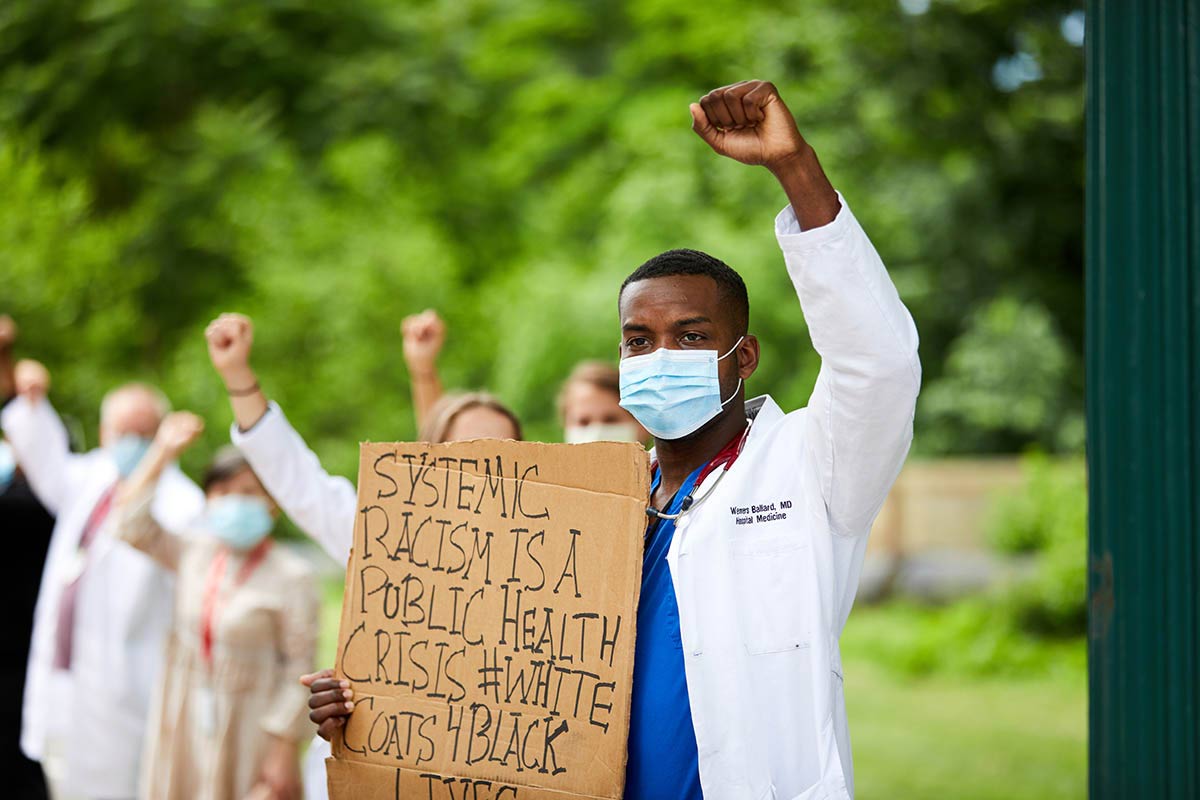
All Canadians have the right to access healthcare. Discriminatory treatments, however, make it difficult for minority groups such as Black, Indigenous, and people of colour to exercise this right.
How Canada’s MAiD Laws Leaves Vulnerable Individuals Open to Abuse
On June 17, 2016, a hallmark decision regarding Canadian health policy was made. Bill C-14 was passed, legalizing medically assisted suicide and voluntary euthanasia in Canada in the form of MAiD (Medical Assistance in Dying). For many Canadians who lived with terminal illnesses, as well as loved ones who had been a witness to their pain, this was a moment to rejoice and celebrate. While this was a definite step forward for Canada, recent implications regarding the use of this policy have been deemed problematic by critics, as an increasing number of people are turning to assisted suicide as a method of liberation from poverty or other social injustices. Stronger social safety nets and more well-developed policies regarding the uses of MAiD are needed to curb this disturbing trend. As Canadians, we need to ensure that not only do we have the right to die with dignity, but to live in dignity as well.
The Uphill Battle of the Judicial System

“Innocent until proven guilty” offers a comforting illusion, it insinuates the ability to fight for your freedom through trial without prejudice. While this thought is relieving for many, we fail to consider how the verdict is determined before we even set foot into the courtroom. It’s decided by something much more complicated – wealth. Lawyers are indeed an integral part of our society, they defend, sentence and serve us. However, often underrepresented and discarded, are the most critical lawyers of all: Legal Aid Lawyers. Legal Aid Lawyers are public lawyers assigned to those who cannot afford private ones, and while not completely free, they offer affordable prices for a variety of clients. While this may be largely beneficial, there are many faults in this system that negate the affordability of the service. The main flaw in this system lies in the treatment of Legal Aid Lawyers. These lawyers are often underpaid and overworked which often results in the inability to represent and defend their clients to the best of their ability.
Medical Mistreatment of Canada’s Indigenous Population
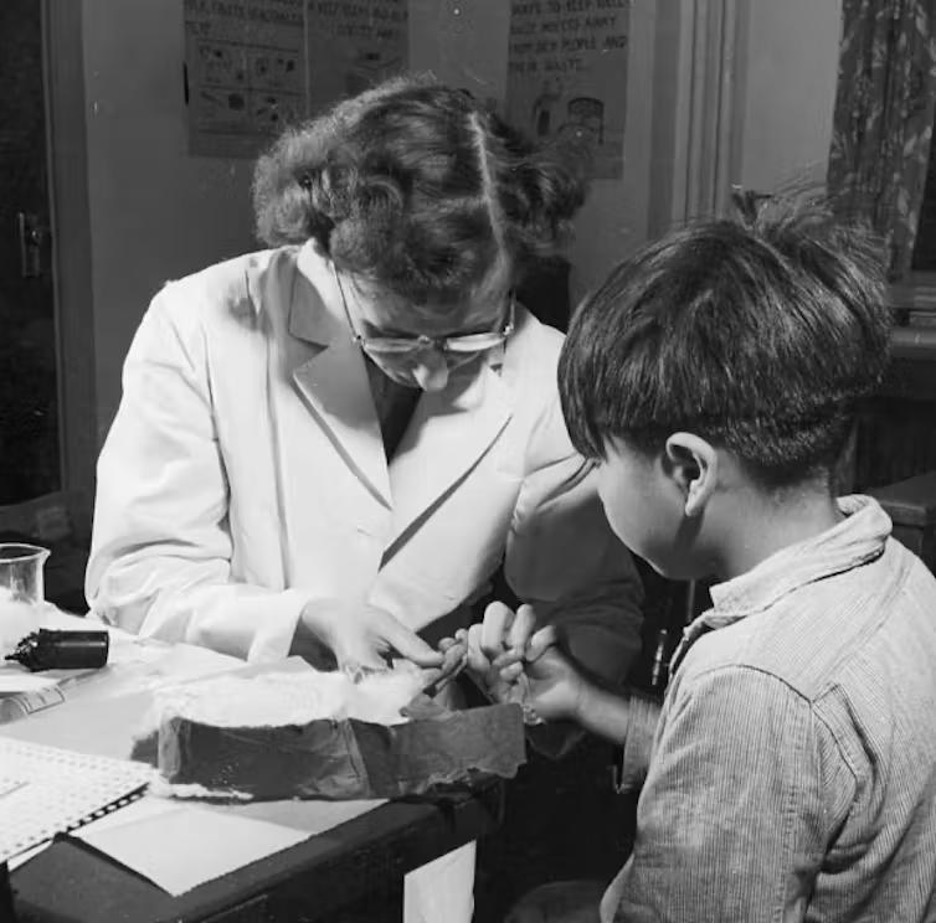
Minority groups have been and continue to be exploited and discriminated against in the field of medicine. Notable international examples in medical research include the Tuskegee Study, where researchers in Alabama infected African-American men and did not provide them treatment, and the experimentation conducted in Nazi Germany’s death camps, where Jewish prisoners were tortured andContinue reading “Medical Mistreatment of Canada’s Indigenous Population”
Are Women Disproportionately Affected By Poverty?

The word “feminism” may not evoke much sympathy now compared to the past. Especially in progressive countries such as Canada, it may seem less vital to focus on women’s rights than other minorities’ rights. However, the liberation of women from patriarchy still has a long way to go. Patriarchy persists in modern society, despite women’s historical efforts to destroy it, forbidding women today from succeeding as much as they should.
Slacktivism

In the Digital Age, the term ‘slacktivism’ has been thrown around considerably. While it originally had a positive connotation when it was coined in 1995, the term slacktivism has come to refer to actions performed on the Internet that are believed to have little to no effect on the real world, and are instead done to make the participants feel good about themselves (Christensen, 2011). From online petitions to hashtags and posts, actions that fall under the umbrella of slacktivism have been used in discussions regarding topics such as the Black Lives Matter movement, sexual assault, and mass poverty. And while some in the present day are critical of slacktivism, there are still groups of people who believe in its benefits.
Everyone Deserves Exercise: The Steadward Centre for Personal & Physical Achievement

Exercise is essential to maintain physical and mental health: without exercise the sharpness of our minds, our happiness, and our bodily processes deteriorate. Exercise is not just weightlifting, running, or playing competitive sports— there are many ways to stay active if you are able-bodied! Walking with friends, going skating, or joining a beginner intramural team are all ways that you can take care of your health. However, for people who cannot get their heart beating a little faster without expensive equipment or additional support, finding a good way to stay active might be challenging. The Steadward Centre for Personal and Physical Achievement at the University of Alberta has the vision of facilitating adapted physical activity and para sport opportunities for everyone. The Centre directs their attention primarily to innovative programming and fitness opportunities for people experiencing disabilities while simultaneously functioning as a research and education facility.
Eliminating the Health Disparities Faced by the LGBTQ+ Community
Until 1973, homosexuality was listed as a disorder in the Diagnostic and Statistical Manual of Mental Disorders. Although the evolution of our society has led to some understanding of the importance of protecting people from discrimination in healthcare settings, some clinicians still harbour harmful anti-LGBT attitudes. Healthcare professionals take an oath to “do no harm” when treating patients. If medics do not uphold this rule, how are they ensuring that absolutely no harm is being done? Creating an affirming and inclusive environment for the LGBTQ+ community requires a combination of understanding members as their own population whilst treating every LGBTQ+ person as a unique individual. This article highlights some strategies that current (and prospective) healthcare professionals can use to ensure that.
 Campus UNICEF