Mancho, the son of a farmer, is now a manager at the Commonwealth Bank. Latif, whose parents worked as domestic helpers, recently defended his PhD at the Tokyo Institute of Technology. Goesthi, whose father once sold food on the street, is now a senior engineer. Bangkit, the son of a school canteen worker, now serves as an expert in the Ministry of Social Affairs.
These are only a few of the success stories brought to light by Imam Santoso, a renowned professor of Metallurgical Engineering at the Bandung Institute of Technology. As a professor with a strong social media presence, he took it upon himself to be part of a movement that strives to revive the intellectual might that Indonesia once was. His core message: “Don’t let the cost of higher education discourage you, many scholarships await!”.
While these stories are inspiring, they remain the exception, not the norm. For most Indonesians, poverty remains a major barrier to education. When children are forced to work instead of study, when parents can’t afford to dream big for their kids, and when rural schools lack resources, the result is a continuous cycle of poverty that traps families in low-income lives.
For decades, the Indonesian people have endured a significant amount of wealth inequality, perpetuated by multiple ineffective administrations and external factors, like the 1997 Asian Financial Crisis. With a population of 280 million scattered across multiple islands, ensuring equal provision of services to both urban and rural areas remains an ongoing struggle. This has resulted in urban cities receiving the bulk of attention, funding and growth. Meanwhile, children in rural Indonesia are often left behind, especially in one of the most vital public services: education.
Poverty inherently limits access to quality education. Limited education leads to fewer opportunities, leading to individuals acquiring low-paying jobs and experiencing continued economic hardship, perpetuating the cycle for the next generation, who continue to be denied a proper education. But education, when made accessible and equitable, has the power to break this loop. Education not only equips, but empowers the next generation. It brings power back to the people and grants them agency to think critically and alleviate themselves from generational poverty.
Indonesia consistently ranks among the lowest in the world on PISA scores, reflecting its struggling education system. This not only stems from a lack of proper resource allocation for government-funded public schools, but also the fact that for many Indonesian children, education simply is not a priority. It is not uncommon to find children missing out on a day of school in order to help their mother look after their stall at the market. Some even abandon school altogether, forced to take on the mantle of “breadwinner” when their parents are no longer capable of working, often selling miscellaneous food or products on roadsides at traffic intersections just to survive. Financial hardships push children into economic roles prematurely, robbing them of the time and opportunity needed to invest in their future through education.
Despite the struggle children of lower-income families encounter in regards to education, children in major metropolitan areas often have the advantage of better-funded public schools, and even international-curriculum schools. Teachers are often more qualified, better trained and well compensated, creating an environment conducive to student enrichment. Families who can afford more ‘prestigious’ schools also tend to be from the middle to upper class, as a result, they are often more likely to be able to provide their children with after-school supplemental tutoring, and permit their children to achieve a full-time focus on education. This stands in stark contrast to children from low-income families, especially in rural parts of Indonesia, where such opportunities and privileges are scarce.
In rural areas, the situation is dire. In these areas, opportunities remain scarce, and most children already have predetermined career paths in agriculture and manual labour. Many children simply cannot afford to dream big, as parents, fully aware of their financial limitations and inability to support their children in any ambitious career endeavours, discourage these aspirations they cannot support. For many, the best course of action they can take is to move to the city in search of better opportunities, though often only as far as becoming a domestic worker. This disparity in access to quality education between urban and rural areas reinforces the wealth gap, leaving children born into poverty in rural regions with little chance of breaking free, often through access to education.
Even with schools in place, how do we ensure the quality of teaching and education? The Ministry of Education, in the last 5-10 years, has restructured the national curriculum and revised school allocation policies of children. These changes seem promising and have given many people hope. But in practice, we still see a high prevalence of absent teachers, professional development seminars for teachers being held in school hours, leaving students unattended for multiple periods. These repeated occurrences result in less effective instructional hours, and students who do not receive the education that they deserve. Without reliable teachers or structured learning, students from low-income families are robbed of the chance to escape poverty through knowledge and skill-building.
Many explicit and implicit systems in place seem designed to keep the population uneducated. An uneducated people means more gullible and easily swayed by wrong motives and populist leaders across the country. As Indonesia is known for its cheap labor and manufacturing, it seems like the country benefits from the large percentage of the population not being highly educated or skilled. This makes the status quo hard to tackle, since our standing in the global arena is still seen as mere unskilled workforce.
There’s a clear challenge at hand here, where the wealth gap is further widened by the absence of a developed government-funded education system. Inaction by the previous and current administrations to combat this issue is a main contributor to why, in 2025, Indonesia continues to be faced with the same problem. This cyclical nature of the issue at hand forces one to think about where the cycle could be strategically halted. The government’s failure to create an equitable system allows the poor to remain uneducated and in turn, remain poor. It’s a self-sustaining cycle that requires bold intervention.
It is imperative that the government take a more active role in creating an education system – one which caters to the needs of the Indonesian children, tailored to their geographical, cultural and financial circumstances. If we want to lift the next Indonesian generation out of poverty, we must stop treating education as a privilege and start treating it as a right. Only then can we break the generational cycle that holds millions of Indonesians back from true prosperity.
Resources:
Yasir, H., Susetyo, D., & Bashir, A. (2024). The relationship between education inequality, poverty, and economic growth. Jurnal Informatika Ekonomi Bisnis, 6(2), 359–364. https://doi.org/10.37034/infeb.v6i2.867
Efendi, R., Indartono, S., & Sukidjo, S. (2019). The relationship of Indonesia’s poverty rate based on economic growth, health, and education. International Journal of Multicultural and Multireligious Understanding, 6(2), 323–330. https://doi.org/10.18415/ijmmu.v6i2.704
The Jakarta Post. (2024, May 4). Tackling learning poverty in a nation battling real poverty. The Jakarta Post. The Jakarta Post. (2024, February 12). Addressing poverty and unemployment through education. The Jakarta Post.
Antara News. (2025, March 21). Indonesia to build 200 free boarding schools for underprivileged. Antara News.
When people think of “health”, their focus often lands on physiological health, resulting in the sidelining of mental health. However, 1 in 2 people worldwide will develop some form of a mental disorder in their lifetime, this highlights the commonality of mental health struggles. Despite this, mental health continues to be an afterthought, and in some societies, it is not even recognized as an essential part of general health. But, emphasizing the importance of mental health in the wellbeing of the public, is a necessary measure to ensure both mental and physical fitness.
The Missing Link
Mental and physical health are deeply intertwined, making it borderline impossible to consider the two exclusively. Physical health can contribute to mental suffering, and similarly, mental health issues can lead to physical disorders. For instance, cancer patients exhibit an increased prevalence of depression, with 8-24% of those in non-palliative care displaying depressive symptoms, compared to just 4% of the general population (A. M. H. Krebber et al.). This decline in mental health typically occurs due to both physiological and biochemical factors.
Psychologically, the emotional impact of the diagnosis alone is enough to trigger feelings of helplessness, fear, and depression. Biochemically, cancer and treatments including chemotherapy and hormonal therapies, can alter brain chemistry via neurotransmitter systems, ultimately increasing susceptibility to illnesses like depression. Conversely, mental health can significantly impact physiological health. individuals with chronic depression for instance, even without exhibiting a history of physical illness, are capable of experiencing a decline in physical health. Chronic depression leads to an overproduction of cortisol, a stress hormone (Ewelina Dziurkowska and Wesolowski). Prolonged release of cortisol can suppress activity of our T-cells, and ultimately lead to a weakened immune system, making depressed individuals highly susceptible to illness (Dimitrov et al.). Additionally, depression is associated with gastrointestinal issues, chronic limb pain, and heart disease, which can all further exacerbate depressive moods/symptoms. This connection between mental and physical health highlights why it’s crucial to address mental health concerns alongside physical health to prevent long-term damage to both the mind and body.
Barriers
Despite this strong connection, in many societies, mental health is rarely acknowledged due to deeply entrenched stigmas, and a lack of resources. These issues exist worldwide, in both developed and developing countries. In many developed countries, the struggle with mental health acknowledgement comes from a lack of mental health professionals, and a general lack of awareness regarding potential resources available to the public. This can result in individuals going untreated for mental issues, ultimately leading to mental disorders, or worsening of existing conditions, creating a cycle of suffering both mentally and physically. Without adequate support and resources, the impact of untreated mental health issues can cascade into physical ailments, further deepening the burden on both individuals and healthcare systems. The stigma concerning mental health, especially in developing countries is incredibly troubling. Individuals who exhibit mental disorders are seen as weak or incapable, leading to many suffering in silence, or completely refusing to acknowledge the potential severity of their mental state. This can lead to a failure to seek both primary preventative care, which involves halting the development of a mental disorder, and ultimately, tertiary preventative care, which works to remedy the effects of a pre-existing mental health disorder (Min et al.).
Bridging the gap
To address this crisis, we must take action both socially, and privately. Mental illnesses do not arise randomly, certain risk factors make individuals more susceptible, and warning signs often precede severe mental illnesses. Public health campaigns should focus on educating people about the risk factors and warning signs to facilitate early prevention. While different individuals will be at a greater risk for certain mental illnesses, generally individuals who have gone through periods of high-stress life events, such as poverty, family conflict, neglect, and a failure to adjust to major life transitions (eg.divorce or starting university) are at a general risk for some form of mental illness (Government of Canada). General signs of mental struggle include: drastic sleep and appetite changes, social withdrawal, decline in personal care, rapid or dramatic mood changes, and an overall drop in functioning whether at the workplace or school environment (“Warning Signs and Symptoms | NAMI”). Educating the public on recognizing these signs early, and available resources is highly essential.
Many mistakenly believe that to receive therapy, an individual requires a formal diagnosis. Individuals can certainly communicate with a physician regarding their mental situation, which involves the physician providing them multiple diagnostic forms to fill out and then referring the individual to a psychologist and/or a psychiatrist depending on the severity. But, obtaining therapy in itself does not require a psychological diagnosis, individuals can contact their nearest mental health facility, whether that’s in their school/university or their neighbourhood, and book appointments without ever receiving an official diagnosis.
Finally, deconstructing stigma concerning mental health is crucial. Struggling mentally is neither a weakness nor something to be ashamed of, everyone, at some point in their lives struggles with their mental health. The severity simply depends on extenuating life circumstances, and whether or not the individual has adequate support systems. Through encouraging open conversation, providing accessible resources, and education, we can ensure that mental health is treated and recognized as integral to overall wellbeing
Works Cited
By QUEENSLAND BRAIN INSTITUTE. “Half of World’s Population Will Experience a Mental Health Disorder.” Harvard.edu, 31 July 2023, hms.harvard.edu/news/half-worlds-population-will-experience-mental-health-disorder.
“Coping with Depression.” Surviving Cancer, 2019, med.stanford.edu/survivingcancer/coping-with-cancer/cancer-coping-with-depression.html.
Dimitrov, Stoyan, et al. “Cortisol and Epinephrine Control Opposing Circadian Rhythms in T Cell Subsets.” Blood, vol. 113, no. 21, 18 Mar. 2009, pp. 5134–5143, pmc.ncbi.nlm.nih.gov/articles/PMC2686184/, https://doi.org/10.1182/blood-2008-11-190769.
Ewelina Dziurkowska, and Marek Wesolowski. “Cortisol as a Biomarker of Mental Disorder Severity.” Journal of Clinical Medicine, vol. 10, no. 21, 8 Nov. 2021, pp. 5204–5204, pmc.ncbi.nlm.nih.gov/articles/PMC8584322/#:~:text=Disorders%20in%20cortisol%20secretion%20(particularly,excessive%20cortisol%20secretion%20%5B7%5D., https://doi.org/10.3390/jcm10215204.
Min, Jung-Ah, et al. “Mental Health Promotion and Illness Prevention: A Challenge for Psychiatrists.” Psychiatry Investigation, vol. 10, no. 4, 1 Jan. 2013, pp. 307–307, pmc.ncbi.nlm.nih.gov/articles/PMC3902147/#:~:text=There%20are%20three%20categories%20of,and%20reduction%20of%20relapse%20risk., https://doi.org/10.4306/pi.2013.10.4.307.
Trivedi, Madhukar H. “The Link between Depression and Physical Symptoms.” Primary Care Companion to the Journal of Clinical Psychiatry, vol. 6, no. suppl 1, 2025, p. 12, pmc.ncbi.nlm.nih.gov/articles/PMC486942/#:~:text=Symptoms%20associated%20with%20depression%20include,activity%20changes%2C%20and%20appetite%20changes.
Food security is a pressing issue in Edmonton, where many residents lack consistent access to affordable and nutritious food. Food security, defined as a state where everyone has “physical, social, and economic access to sufficient, safe, and nutritious food to meet dietary needs and food preferences for an active and healthy life” (Vital Signs 2023), encompasses more than mere access—it relates directly to the quality, cultural relevance, and dignity of that access.
Recent data paints a troubling picture of the food security landscape in Edmonton, and Alberta more broadly. Food insecurity rates in Alberta have surged from 12.3% in 2011 to 20.3% in 2022, indicating a substantial crisis (PROOF, 2022). This jump also highlights a concerning trend of deepening severity, as rates of severe food insecurity—where individuals are forced to skip meals, reduce portions, or go days without food—have more than doubled over the past decade, affecting 6.3% of Albertans (Vital Signs, 2023).
These rising numbers highlight the precarious position of many Edmontonians and Albertans concerning basic needs. Food security experts and community organizations in Edmonton identify several primary causes behind these increases: high inflation rates, climbing costs of living, and insufficient wage growth. In addition, the lasting impacts of the COVID-19 pandemic have exacerbated food insecurity by straining already limited resources and services, pushing many more families to seek food assistance (Vital Signs, 2023).
While food banks and charitable organizations work tirelessly to meet growing demand, these efforts alone are not enough to tackle the systemic and deep-rooted nature of this crisis. As community leaders in Edmonton have been emphasizing, addressing food insecurity requires a holistic approach that includes policy shifts, implementation of economic support, and recognition of food as a fundamental human right (Vaugeois and Kinsella, 2023).
Food insecurity in Edmonton has grown substantially over the last decade, driven by a convergence of economic, social, and systemic factors. Below are some of the primary contributors identified by experts and local organizations.
2.1 Economic Factors
One of the most significant causes of food insecurity in Edmonton is economic instability, affecting food prices and access to basic resources. Inflation, particularly in Alberta, has been a major driver, with food costs rising by over 10% in 2022 alone, and further increases projected (Vital Signs, 2023). This increase makes it increasingly difficult for low- and middle-income households to afford essentials, as their wages often do not keep pace with these escalating costs. Additionally, housing expenses have surged. In 2022, the average monthly rent for a two-bedroom apartment in Edmonton was $1,304, leaving low-income families with limited resources for food after covering housing expenses. A healthy diet for a family of four is estimated to consume 40.7% of the monthly budget for low-income families, squeezing finances even further and putting essential items out of reach for many (Vital Signs, 2023).
2.2 Structural and Systemic Barriers
Beyond economic challenges, Edmonton faces deeper systemic barriers that contribute to food insecurity. Local organizations stress the need to address food sovereignty, which shifts the perspective of food from a commodity to a public good that all people have a right to access. This approach, however, requires policy support that recognizes food as a fundamental human right. Currently, food insecurity is often treated as a temporary emergency, rather than a systemic problem rooted in policy and social inequities (Vaugeois and Kinsella, 2023).
The over-reliance on food banks, which have become an integral yet overwhelming part of the city’s response, is another structural concern. Agencies argue that food banks, while necessary, cannot fully address the underlying issues leading to food insecurity, such as inadequate income support, and the lack of affordable housing. This persistent reliance on food banks has made them a stopgap measure, with demand only increasing. Edmonton’s food bank, for example, saw monthly service numbers double in recent years, with calls for government action to address these systemic causes (Vaugeois and Kinsella, 2023).
2.3 Employment and Income Inequality
Employment and income levels also contribute significantly to food insecurity in Edmonton. A minimum-wage worker, working 35 hours per week, earns approximately $23,000 annually after tax. With this income, meeting basic needs such as food and housing becomes a constant struggle, especially as Alberta’s estimated living wage is around $18.40 per hour (Vital Signs, 2023). This gap between earnings and the cost of living forces many Edmontonians to make difficult choices, often prioritizing rent or utilities over food.
The lack of affordable childcare, transportation costs, and precarious employment further compound these economic struggles, leaving many households on the brink of insecurity. For example, even middle-income households have increasingly turned to food banks to meet their needs, a trend emphasized by the Edmonton Food Bank’s report of more two-income households seeking food support than ever before (Kamal-Choufi, 2024).
In summary, food insecurity in Edmonton is an intersectional issue influenced by rising costs, systemic barriers, and income disparities. Addressing these causes requires targeted policies that provide sustainable support, such as affordable housing, accessible childcare, and fair wages, alongside long-term investments in food sovereignty and equity for all residents.
University students in Edmonton are facing significant food insecurity amid rising living costs. The University of Alberta’s Campus Food Bank reports unprecedented demand, currently spending almost as much per month as it once did annually, with a budget increase of $400,000 over the past five years (Ahmed, 2024). Erin O’Neil, the food bank’s executive director, explained that the food bank is stretched thin, with over 1,100 visits during peak months, and is becoming increasingly dependent on community donations to sustain operations (Ahmed, 2024).
Rising tuition and housing costs have pushed many students into poverty, with food insecurity as one consequence. Vice President External of the University of Alberta Students’ Union, Abdul Abbasi, noted that housing expenses are one of the main reasons students turn to food banks, compounded by tuition increases that began in 2020 following the provincial government’s decision to lift the tuition freeze (Kamal-Choufi, 2024; Lavallee-Koenig, 2023). Tuition at the University of Alberta has since risen by 26.5%, with MacEwan University following closely with a 21% increase (Lavallee-Koenig, 2023). The combination of escalating rent, tuition, and inflation has left students struggling to meet basic needs.
Increased tuition costs are paired with cuts in provincial funding to universities, which dropped by $220 million at the University of Alberta alone, resulting in reduced academic resources and student support services (Lavallee-Koenig, 2023). These changes have impacted educational outcomes, with Chris Beasley, Vice President External of the University of Alberta Students’ Union, remarking that “it is not the university that it was in 2019” (Lavallee-Koenig, 2023). Many students are relying on loans to afford their education, and the number of students accessing provincial student loans has risen by 47% over five years, with cumulative student loan debt now exceeding $1.26 billion in Alberta (French, 2024).
As the need for food banks grows, leaders of campus food banks and student unions call on government bodies to address student poverty and food insecurity directly. Erin O’Neil emphasized that food insecurity affects learning and mental well-being, particularly among students earning under $35,000 annually, many of whom are graduate students struggling to support themselves and their families (Ahmed, 2024). Campus leaders urge both federal and provincial governments to enact policies that reduce student expenses, such as rent assistance and increased funding for higher education, which would alleviate the burden on food banks and promote student success (Kamal-Choufi, 2024; Ahmed, 2024).
In Edmonton, where food insecurity continues to grow amid rising living costs and systemic inequalities, local community groups have stepped up to address these challenges directly. Grassroots organizations and initiatives are playing an increasingly vital role in supporting Edmontonians by offering not just emergency food relief, but also pathways toward sustainable food access and education.
One notable example is “Lady Flower Gardens,” a community-driven initiative that provides vulnerable Edmontonians with an opportunity to engage in gardening. This initiative allows participants from marginalized communities to grow, harvest, and distribute fresh produce, while also learning essential skills around food sovereignty and cultivation (Vital Signs, 2023). Such efforts have proven beneficial not only for food access, but also for building social connections, physical health, and food literacy within communities.
Another model of support is Edmonton’s network of community hubs, which facilitate food distribution while offering wrap-around services to meet the complex needs of those experiencing food insecurity. For instance, initiatives like the “C5 Pantry” provide dignified food access by allowing individuals to choose items that best suit their needs, rather than standard food hampers that may not align with dietary or cultural preferences. These hubs emphasize choice and respect, aiming to provide food with dignity, which, as research suggests, can mitigate the stigma often associated with food bank use (Vaugeois and Kinsella, 2023).
However, grassroots organizations face significant challenges, including volunteer shortages, funding restrictions, and burnout among staff and volunteers. As demand for services grows, so does the strain on the limited resources available to these organizations. Many grassroots leaders have voiced the need for greater collaboration between agencies, calling on the municipal and provincial governments to provide support that enables these groups to better coordinate and distribute resources (Vaugeois and Kinsella, 2023).
In response to these challenges, Edmonton’s food support organizations advocate for policies that prioritize local food production, affordable housing, and income assistance. They also call for a shift in funding models to ease restrictions on how grants can be used, which would empower smaller grassroots organizations to scale their impact. The Edmonton Food Bank, for example, has formed partnerships with community groups to broaden its reach, but could further benefit from streamlined processes and reduced bureaucratic hurdles that limit collaborative efforts (Vaugeois and Kinsella, 2023).
Grassroots responses to food insecurity in Edmonton showcase the importance of locally tailored solutions and community resilience. By centering their efforts on dignity, cultural appropriateness, and long-term food security, Edmonton’s grassroots organizations are building a foundation for a food system that values the well-being of all Edmontonians.
Food security in Edmonton requires a multidimensional policy approach, especially as current government support systems struggle to meet rising needs. Both provincial and federal governments are increasingly called upon to implement sustainable solutions to alleviate food insecurity, with local advocates urging a shift from temporary assistance to long-term structural reform.
5.1 Funding Gaps and the Demand for Immediate Relief
Edmonton’s food banks are seeing unprecedented demand, with institutions like the University of Alberta’s campus food bank experiencing a 600% increase in clients over the past five years, especially as the cost of living surges (Kamal-Choufi, 2024). Leaders at these food banks, such as Edmonton Food Bank’s Tamisan Bencz-Knight, call on the provincial and federal governments for urgent financial intervention. They argue that increased government funding could support institutions like the University of Alberta, reducing the need for food banks to meet basic student needs (Kamal-Choufi, 2024).
5.2 Adopting a Rights-Based Approach to Food
The Agenda 2030 report emphasizes that access to food is a fundamental human right. This perspective aligns with the International Covenant on Economic, Social, and Cultural Rights (ICESCR), which asserts that every individual has the right to adequate food, housing, and an improved standard of living (Vaugeois and Kinsella, 2023). It also relates to the United Nations’s Sustainable Development Goal #2 of Zero Hunger which aims to achieve food security. Local advocates argue that without a policy shift towards recognizing food as a right, poverty and food insecurity will persist. This rights-based approach requires not just funding but also legislative reforms to enshrine food access and affordability as essential components of public welfare.
5.3 Policy Recommendations: Rent and Income Assistance
One immediate policy solution proposed by Food Banks Canada and local organizations is rent assistance for low-income households. Rising housing costs are a significant factor driving food insecurity, as families often have to choose between paying rent and purchasing food. Additionally, advocates propose a monthly income supplement for low-income individuals and families to help balance rising costs of living and offset food expenses (Kamal-Choufi, 2024). These measures could reduce the dependency on food banks by addressing one of the root causes of food insecurity—insufficient income to cover essential living costs.
5.4 Decentralizing Food Assistance and Empowering Local Solutions
Community leaders in Edmonton recommend reallocating government funds to support grassroots organizations, which often provide more tailored and culturally appropriate food assistance. For example, as mentioned earlier, community food hubs like Lady Flower Gardens allow Edmontonians to cultivate their own food while building local food literacy and resilience (Vital Signs, 2023). However, funding constraints and restrictive grant requirements hinder these initiatives. Advocates call for more flexible funding mechanisms that accommodate grassroots organizations, allowing them to address unique community needs effectively (Vaugeois and Kinsella, 2023).
5.5 Moving Towards a Sustainable Food Economy
For sustainable, long-term food security, policy experts advocate shifting the focus from emergency food provision to investing in a local food economy. This shift would include supporting urban farming, community gardens, and local farmers’ markets to improve access to fresh, nutritious food while also stimulating Edmonton’s economy. Furthermore, policies should incentivize local food production and reduce barriers for small-scale producers, who play a crucial role in building a resilient food system for the community (Vaugeois and Kinsella, 2023).
In summary, a sustainable approach to food security in Edmonton requires coordinated actions at multiple levels of government. By recognizing food as a right, providing income and rent support, empowering local initiatives, and fostering a local food economy, Edmonton can work towards an inclusive and resilient food system that addresses the root causes of food insecurity.
Food insecurity in Edmonton has far-reaching implications, affecting health, economic stability, and social cohesion within the community. Addressing these issues requires a shift from short-term solutions to a more sustainable, rights-based approach.
6.1 Health Implications
Food insecurity in Edmonton, as in many parts of Canada, has significant and sometimes hidden health impacts. Individuals who lack consistent access to nutritious food often experience both short-term and long-term health issues. Short-term effects can include hypoglycemia, fatigue, and impaired cognitive function, which impact daily functioning (Precker, 2021). Over time, the lack of adequate nutrition contributes to the development of chronic diseases, including diabetes, cardiovascular disease, and obesity, which further exacerbates health inequalities. This situation becomes especially dire as food insecurity often leads people to opt for low-cost, calorie-dense foods, which are typically lacking in essential nutrients (Precker, 2021).
Children in food-insecure households are also affected, as studies show they are at greater risk for poor health and developmental issues. For instance, a Canadian study found that children who experienced recurrent hunger were more likely to suffer from poor health outcomes compared to their food-secure peers (Precker, 2021). Additionally, food insecurity is linked with mental health issues, increasing stress, anxiety, and depression. This mental toll is compounded by the “toxic stress” experienced when individuals are forced to choose between basic needs like food and housing, which is common in food-insecure households (Precker, 2021).
6.2 Social and Economic Costs
The economic impact of food insecurity is substantial. Food-insecure households face increased healthcare costs due to health challenges they experience. This creates a ripple effect, putting additional strain on the healthcare system and reducing overall economic productivity. For instance, households forced to allocate most of their income to food and rent lack the resources for other essentials like medications, transportation, or childcare, which can further hinder their economic mobility and well-being (Vaugeois and Kinsella, 2023). Households facing food insecurity are often part of a cycle that includes low income, poor health, and limited access to adequate resources. This cycle not only impacts individual households but also places a larger burden on Edmonton’s healthcare system. Research has shown that households with higher levels of food insecurity are much more likely to incur significant healthcare costs. For example, a study found that healthcare costs for individuals in severely food-insecure households were 76% higher than those in food-secure households (Tarasuk et al., 2015). This is because food insecurity is associated with more frequent hospital visits, increased use of emergency services, and greater reliance on prescriptions for managing chronic conditions.
When people lack the resources to maintain a healthy diet, they are more likely to experience poorer health outcomes, which in turn leads to greater healthcare spending by public systems. Addressing food insecurity through sustainable interventions, such as income support and rent assistance, could significantly reduce healthcare costs over time, creating a healthier and more economically stable community (Tarasuk et al., 2015).
6.3 Moving Forward
Achieving long-term food security requires a coordinated effort across policy, community, and individual levels. By fostering a collaborative approach that unites government, community organizations, and individuals, Edmonton can work towards a future where all citizens have reliable access to affordable, nutritious food. The solutions are complex and require structural changes, but with a strong commitment to equity, local sustainability, and community-driven initiatives, Edmonton can reduce food insecurity and enhance the overall resilience of its community.
Tarasuk, V., Cheng, J., de Oliveira, C., Dachner, N., Gundersen, C., & Kurdyak, P. (2015). Association between household food insecurity and annual health care costs. Canadian Medical Association Journal, 187(14). https://doi.org/10.1503/cmaj.150234
Life or death for a young child too often depends on whether he is born in a country where vaccines are available or not
– Nelson Mandela
Mycobacterium tuberculosis (TB) is a disease that has persisted throughout the years and continues to have a grip on public health worldwide (“Tuberculosis: Causes, Symptoms, Diagnosis & Treatment”). While it is a preventable, treatable infection, TB continues to be one of the deadliest infectious diseases worldwide, second only to COVID-19 (World Health Organization).
Each year, millions are affected despite the existence of a vaccine, the Bacillus Calmette-Guérin (BCG) vaccine, which has already proven effective in reducing the severity of TB infections. But why does TB remain so widespread despite it being treatable? The answer lies in a complex mix of limited healthcare access, poverty, and a lack of awareness, factors that make it difficult for many to seek early diagnosis and treatment. To bridge this gap, establishing outreach centers in underserved areas could be the key to turning the tide against TB, ensuring that vaccinations, healthcare, and education reach those who need it most.
What is Mycobacterium tuberculosis?
Mycobacterium tuberculosis is a pathogen/parasite. A pathogen is any agent capable of causing an infection; this can include: viruses, bacteria, fungi, and even infectious proteins called prions. Different pathogens can utilize mechanisms to enter a host, evade the host’s immune system, and consequently, wreak havoc on the host’s internal environment. (Alberts et al.). M. tuberculosis specifically spreads through prolonged contact with an individual with active TB. The release of respiratory droplets, tiny liquid particles expelled from the respiratory tract when a person breathes, talks, coughs, sneezes, or laughs, by these infected individuals results in infection (“Tuberculosis: Causes, Symptoms, Diagnosis & Treatment”).
The initial site of infection by TB is the alveoli. Initially, our immune systems are sufficient to fight the bacterium and prevent its growth, forcing it into a latent state. The danger, however, lies in if the individual’s immune system becomes weakened enough and can no longer prevent TB growth, at this stage, TB becomes active. Symptoms of active TB include persisting coughing, coughing of blood/mucous, weight loss, fever, chills, and fatigue/weakness (“Tuberculosis: Causes, Symptoms, Diagnosis & Treatment”). These symptoms not only mark a serious health decline for the infected individual but also increase the risk of transmission to others, especially in crowded or poorly ventilated environments via coughing. Without timely diagnosis and treatment, active TB can spread rapidly through communities, underscoring the critical need for awareness, early detection, and access to effective healthcare interventions.
M.tuberculosis,Image obtained from Cleveland Clinic
M.tuberculosis as a health concern
Tuberculosis (TB) remains a critical global health threat and ranked as the 10th leading cause of death worldwide in 2021, and the second leading infectious killer after COVID-19, surpassing even HIV and AIDS (World Health Organization). The burden of TB is particularly high in low- and middle-income countries like the Democratic Republic of Congo, India, Iran, Mexico, and Nigeria, where limited healthcare access exacerbates the disease’s impact (World Health Organization). But TB is not limited by borders; in 2021 alone, there were 1,829 reported cases of active TB in Canada (Government of Canada) and 8,331 reported cases in the United States (CDC), highlighting its persistence even in high-income countries.
Consequently, only about two in five people with drug-resistant TB were able to access the necessary treatment in 2022 (World Health Organization), emphasizing the urgent need for strengthened global efforts in prevention, early diagnosis, and access to effective treatment to curb this escalating threat. This becomes more imperative as TB becomes increasingly resistant to standard treatments, with multidrug-resistant strains now posing a major public health crisis and health security threat. In which in 2022, approximately 410,000 individuals developed multidrug-resistant or rifampicin-resistant tuberculosis. Although the treatment rate for this form of TB has increased to 60%, the World Health Organization still regards this figure as low, emphasizing the importance of vaccination (World Health Organization).
Leading causes of death in 2021, image obtained from WHO
Barriers to treatment-seeking
Barriers to seeking treatment for tuberculosis (TB) are significant, particularly in lower-middle-income countries, where individuals often face considerable healthcare access challenges. There are often disparities in healthcare expertise in disenfranchised communities (Olufadewa et al.), including those in low-middle-income countries (LMICs), and high-income countries (HICs). For instance, of the 1,829 cases of TB in Canada, 232 out of 321 Canadian-born cases were in Indigenous communities (Government of Canada), suggesting a severe lack of culturally appropriate healthcare services and targeted support for marginalized populations.
Funding and sustainability in healthcare remain a worldwide issue. Many healthcare programs in LMICs rely on short-term, irregular funding, often from foreign donors. Establishing local outreach centers within these LMICs could help create more stable, community-centered care networks, fostering long-term healthcare access and reducing reliance on external funding sources (Olufadewa et al.).
In both LMICs and HICs as well, the costs of treatment for TB may deter many, especially disenfranchised individuals who may not have access to insurance, a factor which may deter them from seeking treatment. Additionally, education plays a crucial role in this issue, as many individuals are unaware of TB symptoms and the severity of the disease if left untreated, which can lead to dangerous delays in seeking medical attention. This combination of factors hampers individual health outcomes and perpetuates the cycle of transmission within communities.
Importance of Vaccinations and Outreach Centres
Establishing outreach centers is vital for improving access to tuberculosis (TB) treatment and vaccination, particularly in underserved communities (Olufadewa et al.). The TB vaccine, Bacille Calmette-Guérin (BCG), has an estimated 51% efficacy in preventing any TB disease and up to 78% in protecting newborns from miliary (disseminated) or meningeal TB (Government of Canada). Therefore, the fact that the efficacy rate of the BCG vaccine is so high, yet TB remains a global issue suggests a lack of distribution/education. These outreach centers, however, would enhance accessibility by bringing healthcare services directly to individuals, effectively ensuring that all communities, especially those who have been disenfranchised, receive adequate levels of care tailored towards their specific communities. Additionally, outreach centers/organizations play a crucial role in raising awareness about TB symptoms and the importance of early treatment, empowering communities with the knowledge needed to combat the disease.
The World Health Organization (WHO) over the years has established guidelines for TB utilizing what they call the “GRADE” method (Grading of Recommendations Assessment, Development, and Evaluation), these guidelines are grounded in evidence on various aspects of TB prevention, screening, diagnosis, and treatment. By establishing these guidelines and offering comprehensive courses that address various aspects of tuberculosis, WHO has actively sought to ensure that healthcare professionals, especially those on the front lines of healthcare worldwide, have access to accurate, detailed, and practical information. This approach aims to educate communities and help laypeople understand when it is necessary to seek treatment and the different treatment options available to them.
Tuberculosis remains a global health challenge, affecting millions despite being a preventable and treatable disease. The persistence of TB highlights the urgent need for improved healthcare accessibility, especially in LMICs, where factors like limited resources, and lack of awareness hinder effective diagnosis and treatment. With the guidance of global health organizations like WHO, which continues to provide evidence-based frameworks and training, and the establishment of local outreach treatment centers, we can work to cultivate stronger community responses to TB. Addressing the barriers that have allowed TB to thrive demands ongoing commitment and collaboration, but with sustained action, we can make significant strides toward a future where TB no longer poses a threat to public health worldwide.
“Understanding and Using WHO Guidelines on Tuberculosis.” OpenWHO, 2016, openwho.org/courses/who-gtb-guidelines. Accessed 29 Oct. 2024.World. “The Top 10 Causes of Death.” Who.int, World Health Organization: WHO, 7 Aug. 2024, http://www.who.int/news-room/fact-sheets/detail/the-top-10-causes-of-death.
“That hand is not the color of yours, but if I prick it, the blood will flow, and I shall feel pain. The blood is of the same color as yours. God made me, and I am a Man.”
– Ponca Chief, Standing Bear
In Canada, the Indigenous community faces ongoing challenges of discrimination and mistreatment at the hands of law enforcement agencies, particularly at the hands of the Royal Canadian Mounted Police (RCMP). individuals of Indigenous background are disproportionately targeted and victimized, with alarming rates of incarceration and incidents of police brutality as a result of the systemic biases deeply ingrained within the police system. As public scrutiny intensifies, calls for police accountability and systemic reform continue to gain momentum, highlighting the urgent need to address the inequalities embedded within the Canadian policing system.
The Indigenous community is arbitrarily targeted and victimized by the RCMP, likely due to negative stereotypes of criminality held by the individual officers. Evidence suggests that police are more likely to convict Indigenous people of crimes. For example, Indigenous people are vastly overrepresented in a wide spectrum of police-reported crimes, encompassing various categories such as both violent and non-violent crimes, as well as any other criminal activities for which charges may be levied. In 2018, police stations catering to mainly non-Indigenous populations reported six times less crimes than stations catering to primarily Indigenous populations (Allen, 2020).
Additionally, although Indigenous people make up only 5% of Canada’s population, 30.4% of the population in federal prisons is Indigenous (Government of Canada, 2020). According to Yellowhead Institute, this disproportionality can be attributed to “carceral redlining.” Carceral Redlining is a practice where “red lines [are] drawn around certain communities” which are then “criminalized and targeted for incarceration” (Numata, 2020). Hence, the increased likelihood of Indigenous people getting formally charged may be attributed to implicit biases which are weaponized against them by law enforcement. Not only are Indigenous people criminalised more often, but they are also more likely to be victims of police brutality.
To illustrate, people of Indigenous descent are disproportionately involved in police-related deaths. Specifically, one third of those shot by RCMP were of Indigenous background (Mercer, Fiddler, & Walsh, 2020). Indigenous women are also reported to have experienced various violent behaviours during interactions with police officers, including physical and sexual assault . According to Farida Deif, “a presumption that [Indigenous women] are engaged in criminal behaviour” escalates to “more excessive use of force” by the police (Buller, Audette, Eyolfson, & Robinson, 2019). In numerous cases, the RCMP have been held accountable for their actions by the general public. This has become evident in how unwarranted instances of brutality by police have led to protests demanding action against the perpetrating officers.
As the system fails to demand liability from officers that conduct themselves unjustly towards the Indigenous community, the people have stepped forward to demand justice for victims of tragic encounters with the police force. Following the summer of 2020, which saw a significant revitalisation of the Black Lives Matter campaign as protests erupted across the United States of America (USA) following the murder of George Floyd by a police officer, nationwide discussions on the topic of unwarranted police brutality towards minority groups were initiated (Johnson, 2020). As the USA began to uncover and confront the dark realities of its criminal justice system, Canadians also started to scrutinize the shortcomings of their own law enforcement, as seen by public outcries for justice in instances of police brutality in the same year.
In 2020, Chantel Moore, an Indigenous woman, was shot to death by an Edmundston Police Force officer on June 4, 2020. The police officer had been called to her premises to perform a wellness check. Rather than using non-lethal force to subdue Moore, the officer almost immediately resorted to violence by firing at her, an action that drew public criticism and outrage. (Magee, 2020). In response to Moore’s murder, protests took place nationwide across Canada in hopes of advocating for justice on behalf of not just Moore, but all Indigenous peoples who had found themselves victimized by the law enforcement system (McKeen, 2020).
“Chantel Moore’s mother Martha Martin, centre, participates in a healing walk from the Madawaska Malaseet reserve to Edmundston’s town square honour Moore in Edmundston, N.B. on Saturday June 13, 2020. Chantel Moore was a 26-year-old Indigenous woman who was fatally shot by police in Edmundston on June 4.” THE CANADIAN PRESS/Stephen MacGillivray
Unfortunately, the justice system is still yet to prevail for Moore, as the police officer was not charged with any crime, nor was his license ever revoked (Kelly, 2020), but that is not to say that the protests have had no impact. Bill 49, a legislation that sought to give emergency powers to the police forces of New Brunswick, was withdrawn following the death of Moore as government officials realised the potential misuse of the bill by perpetrators of systemic racism (Poitras, 2020). Upon reflection of Moore’s case, where out-of-province agencies were employed due to a lack of institutionalised force in the province, New Brunswick also belatedly instituted a provincial police oversight agency in 2023 (MacKinnon, 2023).
Politicians were once again compelled to recognize the presence of systemic racism in Canadian police forces when a video depicting the aggressive assault of chief Allan Adam by an RCMP officer went viral on the internet (Porter & Bilefsky, 2020). Canadians used social media to express their outrage at the instance, including all three leaders of major federal political parties in Canada (Porter & Bilefsky, 2020). Despite the initial dismissal of this instance of police brutality by the RCMP, the widespread circulation of the video prompted the organization to launch an investigation into the altercation (Porter & Bilefsky, 2020). While it is amazing that the Canadian public continues to utilize their voice to hold law enforcement responsible for their actions, ultimately, it should be the system that ensures safety and justice for the Indigenous people.
In order to ensure that Indigenous people feel protected and safe in our society, certain steps must be taken to reform the law enforcement systems. For one, police systems must be subject to some form of accountability for their actions. Certain provinces, such as P.E.I., lack their own provincial police oversight agency (Mercer, Ross, & Flatt, 2020). Police oversight agencies are responsible for investigating any cases of misconduct committed by police officials (Government of Alberta), and are thus a necessary tool to ensure the liability of police forces. Therefore, a third party agency must be established in each province and territory as a provincial police oversight agency to conduct external investigations into the performance of the police forces, certifying responsibility on behalf of the police.
Additionally, resources and funding typically allocated to law enforcement should be redirected towards community services. According to Yellowhead Institute, “inequalities are resolved” by “investing in housing, healthcare, and education”, as improving these aspects of society will decrease crime rates (Numata, 2020). In regards to funding allocated to police services, police should be required to be transparent about the use of the money. For example, Calgary Police is not required to specify how their budget is spent to the city (Kinney, 2020). This lack of transparency from law enforcement creates distrust and should be amended. Canada also needs to increase transparency by making data on police brutality available to the public. Sociologist Akwasi Owusu-Bempah says that data suppression is rampant in Canada when it comes to statistics about policing and judicial systems in correlation to race, and a “reluctance to release that information” stems from a need to “shield the organizations and institutions from allegations of racial bias and other forms of discrimination” (Taddese, 2020).
In order to combat police brutality against Indigenous people and the systemic racism rampant in our law enforcement system, measures must be taken to reform the Canadian policing system.
Indigenous communities in Canada are often subjected to unjust victimization through police brutality as a result of preconceived biases and prejudices held by many officers. As a society, Canadians are starting to confront the systemic racism that fuels these acts by demanding for accountability to be displayed by law enforcement. However, to truly ensure responsibility on behalf of the police force, major reforms must take place to transform police systems and societal structures in order to solve the inequalities perpetuated by the system.
Buller, M., Audette, M., Eyolfson, B., & Robinson, Q. (2019). Reclaiming power and place: The final report of the National Inquiry into Missing and Murdered Indigenous Women and Girls. Vancouver, BC: National Inquiry into Missing and Murdered Indigenous Women and Girls. Retrieved February 29, 2024, from https://www.mmiwg-ffada.ca/wp-content/uploads/2019/06/Final_Report_Vol_1a-1.pdf
Government of Canada, O. (2020, January 21). Indigenous People in Federal Custody Surpasses 30% – Correctional Investigator Issues Statement and Challenge – Office of the Correctional Investigator. Retrieved February 29, 2024, from https://www.oci-bec.gc.ca/cnt/comm/press/press20200121-eng.aspx
Korzinski, D. (2020, October 12). Defend or Defund? One-in-four support cutting local police budgets; most back social welfare over hiring more cops. Retrieved February 29, 2024, from http://angusreid.org/rcmp-systemic-racism-indigenous/print
“India and Israel are changing our world, and maybe changing parts of the world,” was a statement said by Israeli Prime Minister, Benjamin Netanyahu. Local Kashmiris have been seeing just this- change, but for the worse, since the election of India’s Right-Wing, Bharatiya Janata Party (BJP). From increased military encroachment, to internet blackouts and disappearance of journalists, the situation mirrors the decades-long fight that Palestinians know all too well.
What is Kashmir?
Kashmir is one of the most disputed areas in the world. Kashmir is situated between three powerful countries- Pakistan, India and China, with each fighting for dominance and land, with little to no consideration for indigenous Kashmiris. For years, Kashmir has been used as a battleground between India and Pakistan, with a total of three wars being fought over the land of Kashmir.
This gruesome history has ties to the British colonization of the subcontinent, beginning with the end of British rule in 1947. During this time, the land that is now known as Pakistan, India, and Bangladesh was an array of provinces. The British hastily divided the country into Muslim-majority Pakistan and Hindu-majority India, with the remaining states given autonomy to choose either. Kashmir, however, was a unique case; it possessed a large Muslim population, but was headed by a Hindu maharajah who decided to remain neutral. Kashmiri’s, fearing that their ruler would join India, rebelled alongside armed Pakistani tribesmen. In fear, the Kashmiri ruler turned to India for military aid, on the condition that Kashmir would join India. This allegiance officially began the first Indo-Pak war in 1947.
The UN later established a ceasefire in June 1949 to end the first war, with the condition that the Kashmiri people would be given the opportunity to vote for either an independent state, or the joining of the two nations. Both Pakistan and India initially agreed to hold this vote, however, neither of the two countries held their end of the bargain, and the vote was never called. Over the years, the Kashmiri land has been continuously fought over, and is currently divided into Pakistan occupied Azad Kashmir, India occupied Jammu and Kashmir (J and K), and China occupied Aksai Chin.
What has been happening?
The main area of recent contention has been the state of Jammu and Kashmir. On August 5, 2019, Narendra Modi’s Hindu nationalist BJP Party revoked Article 370 of the Indian constitution. This article granted the state partial autonomy and its own constitution.
“For us Kashmiris, the special status was not just a legal issue but the question of our identity, our existence,” says Muhammad Numan, a 45-year-old businessman
Al Jazeera
Since the revoking, a domicile law has been introduced which allows anyone in India to buy land in Jammu Kashmir, as well as to construct new housing. There have been hints of India’s plan to settle a large number of newcomers to the area to change the Muslim majority demographic. This is paired with a rule that people who fled Kashmir for Pakistan following the Jammu Massacre of 1947 will be unable to return to their homeland.
A similar conflict is present in Palestine, where policies of settler colonialism are also utilized. For Palestinians, 1948 marked the year of The Nakba, otherwise known as The Catastrophe. During this year, 750 000 Palestinians were forcibly removed from their homeland. Since then, Israel has continued to encourage Israelis to move to the West Bank, to form a settler colony, despite settler colonialism being illegal according to the fourth Geneva convention. Settler colonialism is a distinct type of colonialism where “invasion is a structure not an event,” (Wolfe 388). Settler colonialism is precisely what India is attempting to do under the guise of “integrating” Kashmir into the rest of India by modernizing it and building a “naya Kashmir,” or a “new Kashmir.”
Kashmir and Palestine
The bloody and tumultuous history of both Palestinians and Kashmiris has long been overlooked, with the two nations, despite being separated by miles of land, having numerous parallels. Their respective oppressors, India and Israel, have had a long shared diplomatic relationship, with India being Israel’s largest export for weapons trade. Al Jazeera, notes that “Indian police forces have been receiving training in Israel for ‘anti-terror’ operations,” similar to those Israel conducts against Palestinians, highlighting that this alliance goes far deeper. The pretense of fighting “terrorism,” is a message shared by both Israeli and Indian officials to justify military presence and civilian fatalities in Palestine and Kashmir, respectively.
There have been multiple reports of the Indian military in Kashmir taking in civilians for questioning and using illegal and inhumane methods of gaining information about anti-Indian rebels. The area has been highly militarized with 50 000 soldiers in the area, meaning that for every 25 civilians there is a single soldier (Al Jazeera). This has been paired with widespread murder, torture, rape, and violence by Indian officers based in Kashmir. It was reported by Human Rights Watch that 50 000 people have been killed from 1989 to 2006, with there being over 8000 cases of state-created disappearances. However, it’s impossible for action to be taken due to India’s Armed Forces Special Powers Act. This act grants army personnel special immunity that protects their actions from being labeled as human rights violations, putting these officers above the law.
India often mentions the murder of Kashmiri Pandits (Kashmiri Hindus) in the area as justification for the enforcing of the act, and excessive militarization, claiming that it’s necessary in order to control terrorist groups. Although the history and treatment of Kashmiri Pandits is a devastating one, it is often weaponized and used as a defense against the issue of Kashmir self-determination.
Zionism and Hindutva
The parallels in Palestine and Kashmir are noticeable, especially to the government officials who suppress them. Modi’s government has gone to great lengths to demonstrate their support for Netenyahu’s government. This has included voting against a ceasefire in Gaza during the UN Assembly. Their support led to an all out ban of support for the Palestinian people from Kashmiris, with large policing outside of Srinigar’s Grand Mosque to suspend any pro-Palestian rhetoric. This severe pushback from the government could be due to fear that similar protests could occur in Kashmir.
The ideological similarities between both right-wing governments further strengthens the parallels between Zionism and Hindutva. Zionism is the belief that Judaism is a nationality as well as a religion, and that Jews have a right to a state in their “ancestral homeland.” From 1975 to 1991 Zionism was labeled “a form of racism and racial discrimination,” by the UN due to its exclusionary nature, as it allows any Jew in the world Israeli citizenship and rights, while the same privilege is not granted to Palestians who live in the area. The Zionist rhetoric is inherently a colonialist practice, and this evident in the actions taken by the current government. This belief is quite similar to that of Hindutva, a form of Hindu nationalism which has become more widespread with Modi’s leadership of the BJP party.
Both Zionism and Hindutva were created as a response to major tragedies incurred upon the respective groups. Zionism, following the tragedy of the Holocaust, and Hindutva developing after years of colonial rule by the British and Mughal dynasty with the hope of forming an independent state. However, Hindu nationalism has been used as a political tool to gain support from the Hindu majority population of India, especially by the BJP which was formed from the Rashtriya Swayamsevak Sangh (RSS), a Hindu nationalist organization which Modi was a member of. Although constitutionally, India is a secular state, the BJP is known to pass religiously divisive laws that continuously target the minorities in India. Muslims have especially been subjected to this. In 2022, the BJP banned the hijab in educational institutions in the state of Karnataka.
As well as Muslims, Sikhs are another group that have faced widespread discrimination resulting in riots, death and other injustices, because they are deemed a threat to Hindu nationalism due to having their own distinct cultural identity. TIME calls this India’s “cynical nationalist playbook: demonize minorities to galvanize the Hindu majority,” a cycle proven by their treatment of Muslims in Kashmir and Sikhs in Punjab.
Economic Impacts
Jammu Kashmir has been subjugated to continuous economic exploitation under Indian administration. India itself, and many large corporations, have been profiting at the expense of local Kashmiris. In 2015, The National Hydroelectric Power Corporation (NHPC) was accused of exploiting J and K’s water supply in an effort to gain a very small percentage of royalty, despite being a major contributor. Furthermore, since the abrogation of Article 370, large companies from all over India are able to mine in Kashmir while the local firms are unable to compete due to lack of compensation and aid to local businesses, thus jeopardizing the livelihood of many small local communities.
The BJP refuses to see the devastations they have caused in the region, opting to place blame on the increased tourism in the area. Locals refuse to believe this and say that these apparent industries that they are showcasing are dying at the hands of the BJP due to increased surveillance and an inability to support locals in Kashmir. 26% of civilians in India-occupied Kashmir endure food deprivation, and 47% lack proper sanitation, all while the state refuses to do anything.
Addressing These Issues
The devastations in Kashmir and Palestine need far more attention and awareness. A large issue surrounding these conflicts is the lack of unbiased journalism and media, and refusal to interview impacted citizens. For instance, the narrative around Kashmir often comes from Pakistani or Indian sources with their own personal agendas. Similarly, Western media tends to portray Palestine as a terrorist state, neglecting to highlight the plight of the millions of innocent displaced civilians in the state. These areas serve as a reminder of our responsibility to deconstruct narratives established by the media and to conduct independent research to better understand global affairs.
Kumara, Kranti. “Modi Government Bans All Expressions of Solidarity with Palestine in Indian-Held Kashmir.” World Socialist Web Site, 30 Nov. 2023, www.wsws.org/en/articles/2023/12/01/hnzt-d01.html.
Patrick Wolfe (2006) Settler colonialism and the elimination of the native, Journal of Genocide Research, 8:4, 387-409, DOI: 10.1080/14623520601056240
Singh, Simran Jeet, and Gunisha Kaur. “Why India Is Targeting Sikhs at Home and around the World.” Time, Time, 5 Dec. 2023, time.com/6342873/india-sikhs-persecution/.
“Statement by Prime Minister Benjamin Netanyahu at His Meeting with Indian Prime Minister Narendra Modi.” Gov.Ii, 5 July 2017, www.gov.il/en/departments.
The World Health Organization (WHO) defines malnourishment as a deficiency, or excess in nutrient intake. Malnourishment can manifest in different forms, including undernutrition, overnutrition, and micronutrient deficiencies (World Health Organization, “Malnutrition”). Undernutrition refers to nutrient deficiency and remains a significant concern among children in the Philippines. Children from poor families often struggle to access food that is high in nutritional value. This malnutrition, or inability to access certain foods and the nutrients they provide, severely affects their physical and cognitive development. Malnutrition may result in: impaired brain development, increased susceptibility to diseases, and stunted growth. Stunting, or stunted growth, stems from undernutrition and is defined by a low height-for-age or children being too short for their age.
Malnutrition is an issue that plagues various countries indiscriminately, regardless of international, social and economic standing. The Philippines is an example of a country that has emerged as one of the world’s fastest-growing economies, noting an average annual gross domestic product (GDP) growth rate of 6.4% (Mbuya et al., Undernutrition in the Philippines: Scale, Scope, and Opportunities for Nutrition Policy and Programming). Despite this economic progress, there persists a high poverty rate, documented by Poverty Statistics conducted in 2023. The statistics reveal that 25 million Filipinos continue to struggle with poverty, with their per capita income still falling short of meeting basic needs.
For instance, the Bangsamoro Autonomous Region in Muslim Mindanao (BARMM), demonstrates the lowest levels of human development and living standards. These living conditions can primarily be attributed to armed conflict between the Government of the Philippines (GPH), and the Moro Islamic Liberation Front (MILF). This four-decade-long armed conflict has resulted in marginalized communities where groups experience social, political, or economic exclusions, which limit their access to food or fair labour wages. Additionally, cultural norms impose further limitations, particularly on women’s socio-political engagement and livelihood opportunities. These forms of gender-based discrimination often result in limited utilization and access to essential social services (World Food Programme).
How Geography Contributes to Food Scarcity
The Philippines is an archipelago and is prone to several natural disasters, including: typhoons, floods, earthquakes, and droughts. It is ranked third amongst all countries with the highest disaster risks worldwide (World Economic Forum 2018). The occurrence of these natural disasters has adversely affected both agricultural and fisheries production, leading to a reduction in the availability of food. Consequently, this has resulted in fluctuations in food prices and consumption (Duante et al. 2015).
Stunted Growth Due to Undernutrition
Currently, rice is the primary dietary component of Filipinos, however, it is often accompanied with low levels of variety in their protein intake. Although rice is relatively cheap and readily available in the country, a diet consisting of rice, as well as animal protein, fruits and vegetables proves to be expensive. The cost of food, as well as its delivery, proves to be a challenge for many households, with high transport costs especially playing a large role in the unaffordability of food for both rural and urban consumers. The incredibly high food costs can be attributed to the fact that the country consists of many islands, and this therefore makes transportation and logistics more challenging. National Nutrition Council (NN) estimates that as of July 2023, a family of five requires a minimum daily budget of at least ₱1, 212.650 ($28.04 CAD), with the costs being higher for households with pregnant women and children (Rappler 2023).
The Philippines is ranked fifth among countries in the East Asia and Pacific region with the highest prevalence of stunted children. It is more prevalent in rural areas than in urban areas according to 2019’s Expanded National Nutrition Survey (FNRI 2019).
Despite robust economic growth and increased health budgets, there is minimal initiative from the government to reduce the prevalence of stunting among Filipino children.
Often, Filipino households rely on intervention from either local or international non-governmental organizations (NGOs), such as the United Nations and World Bank.
Malnutrition is the underlying cause of stunting, yet there are various factors that contribute to malnutrition, and thus inadvertently cause stunting. Most significantly, poverty deprives households, and therefore children, of proper access to nutrition-rich foods. As a result, parents will tend to opt for cheaper, less nutritious alternatives. Many Filipino children in poverty consume more rice than recommended, with little to no protein, fruits, or vegetables. Additionally, Filipinos living in poverty may have limited access to healthcare facilities, which affects proper diagnosis and treatment of issues that contribute to undernutrition. In 2019, around 23% of pregnant women were “nutritionally at risk,” as a result of inadequate maternal nutrition before and during pregnancy (World Bank 2021).
Hidden Hunger
The World Bank defines “hidden hunger,” or unrecognizable deficiencies as another form of malnutrition, that results from micronutrient deficiencies in iron, Vitamin A, folic acid, and iodine. These deficiencies can occur in diets that are energy-dense but nutrient-poor. Anemia is a type of “hidden hunger” caused by iron deficiency, which results in a decrease in the oxygen-carrying capacity of red blood cells, which are responsible for transporting oxygen from the lungs to the rest of the body. In the Philippines, the 2019 Expanded National Nutrition Survey (ENNS) shows that 38% of infants from 6-11 months old, and 26% of infants from 12-23 months old were anemic. The very high rates of anemia among infants and young children were due to an insufficient amount of iron in breast milk. This issue highlighted the importance of encouraging pregnant women to seek prenatal and postnatal care to ensure that appropriate care, and needed supplements can be provided in a timely manner. But more importantly, these resources should be accessible and readily available.
Investing in Food Security and Nutrition Builds the Future of a Nation
There have been several interventions to try and battle child malnutrition in the Philippines. Many local and international non-governmental organizations (NGOs) have organized various feeding programs that are either school-based, or held in smaller areas. Projects, such as the Philippines Multisectoral Nutrition Project, funded by the Department of Health, United Nations, and World Bank, aims to support the access of nutrition and health care services to reduce stunting in young children. UNICEF, in partnership with the United Kingdom government has provided ready-to-eat therapeutic food in Datu Salibo town, and Maguindanao province. This was done with the goal of providing awareness among families, by providing information on how malnutrition develops, and what can be done to prevent it. Immunization, distribution of hygiene kits, as well as counseling on breastfeeding and postnatal care were also conducted. The World Food Programme also provides ready-to-eat food to children from 6 months to 5 years old, and to pregnant and nursing women in areas affected by conflict. Overall, such interventions work towards ensuring that every Filipino child is not only healthy and well-nourished, but also empowered to achieve their utmost potential in terms of growth and learning.
Work Cited
Duante, Charmaine, Carmina Cuarteros, Glen Gironella, Eldridge Ferrer, Cecilia Acuin, and
Mario Capanzana. 2015. “Impacts of Climate Shocks on Caloric Intake of Filipinos.” Food
and Nutrition Institute, Department of Science and Technology, United Nations Food and
World Economic Forum. 2018. The Global Risks Report 2018, 3d ed. Geneva: World Economic Forum World Food Programme. “Philippines | World Food Programme.” wfp.org, 8 Aug. 2019, www.wfp.org/countries/philippines
TW: This article contains information that circles around sexual violence and war crimes including starvation and killing
“The biggest road block to action on genocide and other human rights crimes is ignorance. Most people just don’t know that such things are happening, and often, if they have a vague idea they are happening, there is a feeling that there is nothing that can be done to stop these crimes.”
John Prendergast
Humanitarian Crises
The global surge of humanitarian crises has cast a dark, harrowing shadow of enduring suffering upon innocent people within war-torn regions. The consequences of war on civilians are dehumanizing, as they often leave civilians suffering from physical and mental traumas with a severe lack of medical support. Regardless of the country where these conflicts may occur, there are always lasting effects that cause harm to those involved.
One region that has faced immense devastation as a result of war and is yet to receive the proper acknowledgement from international communities is a region of Ethiopia called Tigray. There have been a multitude of reported war crimes committed in Tigray over the years that have, and continue to be, swept under the rug by authorities, this, accompanied by an immense lack of international advocacy, has created an increasingly difficult situation for the citizens of Tigray. Reports show evidence of war crimes such as civilian massacres, starvation, SGBV (sexual and gender-based violence), and forced displacements, which have left millions to suffer the consequences.
With the severity of these crimes, one has to question what will be done to stop countries from committing these acts against innocent civilians, especially acts that are as destructive as the effects of a 3-year war and the circumstances it continues to foster. The situation has escalated and continues to escalate to the point that it has left an estimated 600,000 people killed (Naranjo). In Tigray, the urgent demand for accountability and international intervention is crucial for reconciliation and trust from the victims. The mediation of humanitarian crises such as those happening in Tigray, is necessary to achieve adherence to human rights within not only Tigray but internationally.
The Tigray Region
The conflict in the Northern Tigray region of Ethiopia started on November 4th, 2020, following tensions between the federal Government of Ethiopia and the regional Government of Tigray. Conflict ensued as the Ethiopian Armed Forces (ENDF), along with allies such as the neighbouring Eritrean armed forces (EDF) and regional Amhara militias (ASF), began mobilizing troops into the northern region (Jazeera). Since the conflict’s onset, Tigrayans have been systematically executed, subjected to gender-based violence, and denied access to fundamental services such as food and water. Transportation in and out of Tigray has also been restricted, making it almost impossible to obtain up-to-date information on the true extent of the war’s damage (“Confronting Ethiopia’s Abusive Siege”).
After two years of what some experts call the deadliest war of the 21st century, a ceasefire agreement was signed on November 2nd, 2022. The terms, which included the removal of Eritrean troops from Tigrayan land and the return of internally displaced persons (IDPs), remain unfulfilled one year later, breaking the promise of lasting peace for the people of Tigray (“Broken Promises: Conflict-Related Sexual Violence before and after the Cessation of Hostilities Agreement in Tigray, Ethiopia – PHR”).
Targeting Civilians
Mass killings, widespread pillaging, and indiscriminate shelling have been carried out during the war by all sides against civilians, leaving families to endure severe psychological and physical damage.(“Ethiopia: Civilians Again Mired in Intractable and Deadly War, Human Rights Council Hears”). Eritrean (EDF) and Ethiopian armed forces (ENDF), along with Amhara militias (ASF), have committed horrific atrocities, including massacres and extrajudicial executions of ethnic Tigrayans indiscriminately of age and gender.(“THE THREE HORSEMEN of the WAR in TIGRAY: MASS KILLINGS, SEXUAL VIOLENCE and STARVATION” the TIGRAY INQUIRY Inquiry into the Atrocities in Tigray since November 2020 Conducted by the International Bar Association’s Human Rights Institute for the All-Party Parliamentary Group (APPG) on International Law, Justice and Accountability).
One of the many massacres by the Eritrean forces (EDF) took place in the city of Axum, just weeks after the onset of the conflict: as explained by numerous eyewitnesses and victims, Eritrean soldiers were seen killing thousands of fleeing civilians and conducting house-to-house raids, executing mostly men and boys. A civilian described the aftermath stating that:
“on every corner, there was a body.”
(“Eritrean Troops Massacre Hundreds of Civilians in Axum, Ethiopia”). However, it is crucial to note that the atrocities committed were not purely one-sided. Tigrayan forces were also reported to have committed executions against ethnic Amhara, Afar, and Eritrean civilians (“Ethiopia: Mass Killings Continue, Risk of Further ‘Large-Scale’ Atrocities”).
Forcible Displacement
The ramifications of the war, such as forcible displacement, are incredibly shocking. Since the war started, over two million ethnic Tigrayans displaced from their homes, pushing over 50,000 refugees into Sudan (Reuters). This has separated families and created a constant state of uncertainty within civilians as they worry about the well-being and whereabouts of loved ones. In western Tigray, evidence of “ethnic cleansing” is documented in a 2021 joint report from Amnesty International and Human Rights Watch. The report indicates that hundreds of thousands of Tigrayans have been forcibly expelled from the western territory by Ethiopian and Amhara forces through threats, forcible removal, and a campaign of violence (“‘We Will Erase You from This Land’”).
Ethnic cleansing continues to be a concern internationally, this is echoed in the devastating conflict in Palestine, in which Israeli armed forces forced over 1.7 million civilians (“‘This Must Stop,’ UN Chief Says as Deaths, Displacement Ripple across Gaza”) to relocate toward southern Gaza after providing only a 24-hour warning before initial military attacks on the area (“Israel Must Rescind Evacuation Order for Northern Gaza and Comply with International Law: UN Expert”). Regardless of forewarning, forcible displacement is recognized as a war crime, and as such, demands urgent cessation and condemnation from international governing bodies, actions that have not been taken for Tigray or Palestine.
Loss of Infrastructure
The destruction of infrastructure and the use of schools as military bases highlight the challenges of escaping conflict, as forces from all sides have caused mass destruction of homes, schools, and religious sites that civilians would normally use to seek refuge in conflicts such as this (“Ethiopia: Tigray’s Cities Fill with Displaced People in Need of Aid | MSF”). Due to education facilities suffered significant damage, with schools, furniture, textbooks, and laboratory equipment destroyed, “over 1.4 million school children” were forced out of school for four years (Situation Overview and Humanitarian Needs). The intersection of the pandemic and ongoing conflict has only served to prolong these challenges as 2, 492 schools have closed since March 2020 (UNICEF), rendering children incapable of receiving formal education. While some of the schools are slowly reopening, the profound impacts of the conflict on education are clear and long-lasting.
Man-made Famine
The blocking of humanitarian aid and systematic destruction of agriculture have left an estimated 86% (4.6 million people) facing food insecurity in Tigray, in contrast to pre-conflict numbers, where an estimated 93% of people said they had no or little experience of hunger (“Tigray: Emergency Food Security Assessment | World Food Programme”). Once a region capable of sustaining itself, Tigray now faces severe food insecurity as Ethiopian, Eritrean, and Amhara forces, along with their allies, have pillaged shops, hospitals, banks, cattle, and crops, leaving the region dependent on aid. Accessing regions ravaged by war, however, poses a formidable challenge for aid organizations, as a siege obstructing the flow of aid stands in the way (“Confronting Ethiopia’s Abusive Siege”). This has led to famine-like conditions for millions of Tigrayans, with effects extending to surrounding regions in Ethiopia, where an estimated 9 million people across Ethiopia’s Amhara, Afar and Tigray regions lack access to adequate food (“Ethiopia Refugee Crisis: Aid, Statistics and News | USA for UNHCR”).
4 months following the establishment of a “ceasefire” agreement, the delivery of humanitarian aid to Tigray was halted as Ethiopian and allied forces engaged in looting the aid meant for suffering civilians. Humanitarian groups suspended their operations, asserting that the scarcity of food in Tigray was a direct consequence of the Ethiopian Government’s obstruction of humanitarian aid and manpower, including land convoys and air access. (Ethiopia’s Tigray crisis: US accuses Abiy’s government of blocking aid). Tragically, this ultimately led to starvation, as about 1,400 deaths have been due to hunger since late 2022. (Ethiopia’s Tigray crisis: Deaths from starvation after aid halted – official).
Widespread sexual and gender-based violence
During the conflict in Tigray, widespread sexual and gender-based violence inflicted physical and psychological trauma on survivors. Numerous reports detail horrific instances of sexual and gender-based violence, predominately targeting Tigrayan women and girls, perpetrated by Eritrean forces, Ethiopian national forces, and Amhara militias, with one survivor expressing:
“I don’t know if they realized I was a person.“
(“Ethiopia: ‘I Don’t Know If They Realized I Was a Person’: Rape and Sexual Violence in the Conflict in Tigray, Ethiopia – Amnesty International”). The International Commission of Human Rights Experts on Ethiopia (ICHREE), in its most recent report, highlighted the widespread and systematic perpetration of sexual violence across all zones and phases of the war in Tigray (Human Rights Council Fifty-Fourth Session Comprehensive Investigative Findings and Legal Determinations International Commission of Human Rights Experts on Ethiopia). According to a study on war-related sexual and gender-based violence within the northern region, within the first eight months of the war, 43.3% of women experienced at least one type of gender-based violence. Sexual violence accounted for 9.7%, with 82% of those cases involving rape. (Fisseha et al., 2023). Moreover, the survivors face immense challenges in seeking medical support due to the war, with 70% of hospitals and medical centres either destroyed or non-functional, access to medicine to treat sexually transmitted diseases and the delivery of essential aid for survivors becomes difficult (Gesesew et al., 2021).
Communication blackouts
The communication blackouts obscure much of the devastation brought by conflict, leaving critical information uncovered. The use of collective punishment, a strategy employed in conflicts to punish a group of people through the actions of one or more individuals, is evident through the utilization of methods like communication blackouts and information flow restrictions. These measures not only prevent reporting of human rights violations but also silence the victims who endure the suffering.
Recently, communication blackouts have been used in Palestine by the Israeli Government by restricting fuel to the region, affecting emergency responses, humanitarian efforts, and contact with loved ones inside and outside Gaza (“Gaza: Communications Blackout Imminent due to Fuel Shortage”). Similarly, in the Tigray conflict, such tactics have been employed by the Ethiopian federal Government leading to the world’s longest uninterrupted shutdown. (‘No timeline’ for restoring internet to Tigray: Ethiopia minister) As connectivity has not fully been restored to Tigray and Palestine, reliance on local news agencies, journalists, and the international community is crucial to ensure the stories of victims are heard.
The importance of addressing these issues
Addressing the impact of war on civilians is essential for protecting and upholding human rights and holding those who violate them accountable. Even though formal fighting in Tigray has ceased, independent investigations and international awareness are essential to bringing justice to the victims who are suffering from the destructive effects of the war. The Tigray conflict serves as a poignant reminder of the devastating toll of conflict on innocent lives, amplifying the importance of global action to prevent further atrocities not only in Tigray but around the world. This urgency calls for the need to end the cycle of violence against civilians and ensure human rights are not just acknowledged, but respected.
While there are countless reports and evidence of horrific atrocities against the people of Tigray, this article is only the tip of the iceberg. Tigray needs your help to bring action and attention to the victims of these abuses.
“Ethiopia: ‘I Don’t Know If They Realized I Was a Person’: Rape and Sexual Violence in the Conflict in Tigray, Ethiopia – Amnesty International.” Amnesty International, 25 Aug. 2021, http://www.amnesty.org/en/documents/afr25/4569/2021/en/.
“Ethiopia: Mass Killings Continue, Risk of Further ‘Large-Scale’ Atrocities.” UN News, 18 Sept. 2023, news.un.org/en/story/2023/09/1140872#:~:text=The%20latest%20report%20from%20the%20International%20Commission%20of,and%20medical%20facilities%2C%20forced%20displacement%20and%20arbitrary%20detention.
“THE THREE HORSEMEN of the WAR in TIGRAY: MASS KILLINGS, SEXUAL VIOLENCE and STARVATION” the TIGRAY INQUIRY Inquiry into the Atrocities in Tigray since November 2020 Conducted by the International Bar Association’s Human Rights Institute for the All-Party Parliamentary Group (APPG) on International Law, Justice and Accountability. 2023, genocideresponse.org/wp-content/uploads/2023/09/Tigray-Report_29-September-2023.pdf.
“Ethiopia: Civilians Again Mired in Intractable and Deadly War, Human Rights Council Hears.” UN News, 22 Sept. 2022, news.un.org/en/story/2022/09/1127481.
“Broken Promises: Conflict-Related Sexual Violence before and after the Cessation of Hostilities Agreement in Tigray, Ethiopia – PHR.” PHR, 27 Nov. 2023, phr.org/our-work/resources/medical-records-sexual-violence-tigray-ethiopia/.
Jazeera, Al. “Two Years of Ethiopia’s Tigray Conflict: A Timeline.” Al Jazeera, Al Jazeera, 10 Nov. 2022, http://www.aljazeera.com/news/2022/11/10/two-years-of-ethiopias-tigray-conflict-a-timeline. Naranjo, José. “Ethiopia’s Forgotten War Is the Deadliest of the 21st Century, with around 600,000 Civilian Deaths.” EL PAÍS English, 27 Jan. 2023, english.elpais.com/international/2023-01-27/ethiopias-forgotten-war-is-the-deadliest-of-the-21st-century-with-around-600000-civilian-deaths.html.
In over 300 thousand years, science and technology have progressed at a rate that stands to define itself. However, the topic of gender equality still raises the question of whether, as a society, we have moved at all. Legalities in most countries would argue for the same judgment and treatment of both sexes, but reality depends on the actual implementation of the system that we have created for ourselves. To what extent are the laws that govern the world being upheld? The same laws that root down to the foundations of liberty—the same foundations that countries have been established over? Although discrimination is not something we can actively measure, the numbers in terms of wage, exploitation, and education, to use the common expression, “speak for themselves”—and they speak loudly.
Gender Differences
In 2023, the United Nations reported that “On average, women in the labor market still earn 23 percent less than men globally and…spend about three times as many hours in unpaid domestic and care work” (“Gender Equality and Women’s Empowerment”). And compared to 1 in 10 boys, almost a quarter of girls between the ages of 15 and 19 are neither employed nor engaged in education (“Gender Equality”). Additionally, “worldwide, nearly half of married women [still] lack decision-making power over their sexual and reproductive health and rights” (“Gender Equality and Women’s Empowerment”) despite the continuous evolvement we’ve experienced in terms of life expectancy and literacy of women. In 2023, the United Nations reported that “On average, women in the labor market still earn 23 percent less than men globally and…spend about three times as many hours in unpaid domestic and care work” (“Gender Equality and Women’s Empowerment”). And compared to 1 in 10 boys, almost a quarter of girls between the ages of 15 and 19 are neither employed nor engaged in education (“Gender Equality”). Additionally, “worldwide, nearly half of married women [still] lack decision-making power over their sexual and reproductive health and rights” (“Gender Equality and Women’s Empowerment”) despite the continuous evolvement we’ve experienced in terms of life expectancy and literacy of women. This increased literacy is consistent with the fact that the number of girls out of school in the latter is estimated at 32 million for primary education, 30 million for lower secondary education, and 67 million for upper secondary, a huge improvement from 65 million, 52 million, and 91 million in 1995, respectively (“Gender Equality”). Moreover, switching from the more economic side to social rights, UNICEF documents that gender norms and sexual exploitation are still prevalent to a startling degree where “35 per cent of women between 15-49 years of age have experienced physical and/or sexual intimate partner violence or non-partner sexual violence.” These norms, moreover, go beyond just the social setting in various countries, in that they are ingrained within their laws, legislation, and even justice systems which often lack consideration for girls’ rights; these examples include policies which prevent women from, for instance, inheriting land and owning property. However, this very ideology, that is often meant to benefit men, simultaneously harms them. This detriment to men, especially boys, lies in the societal expectations placed on them regarding military conscription, child labor, and violence. At the rate that the world is currently going:
“…it will take an estimated 300 years to end child marriage, 286 years to close gaps in legal protection and remove discriminatory laws, 140 years for women to be represented equally in positions of power and leadership in the workplace, and 47 years to achieve equal representation in national parliaments” (“Gender Equality and Women’s Empowerment”).
The irony of this situation is that while we expect equality to be at a closer reach than it was a while back, it has worsened substantially since this claim was made, with events, like COViD-19, only further amplifying the inequality. However, this very ideolog of gender inequality, that is often meant to benefit men, simultaneously harms them. This detriment to men, especially boys, lies in the societal expectations placed on them regarding military conscription, child labor, and violence.
The Gender Pay Gap and Economic Inequalities
The differences in pay between women and men cannot automatically be attributed to gender discrimination as it could be based on a wide range of possibilities such as experience and education, among a number of others (Ortiz-Ospina and Roser). Although, “both discrimination and inequality are important…they are not one and the same” and that is why the gender pay gap is a direct measure of gender inequality, rather than gender discrimination. While in most countries women earn less than men, the gap can also exist as otherwise: if it is negative, the value suggests that this situation is flipped, such that men are earning less than women. Based on 2016 reports, countries such as South Korea, the United Kingdom, Russia, France, Brazil, Pakistan had positive gender pay gaps and others, including Turkey, Argentina, and Malaysia had negative ones. Within a more generalized global reach, regions with the highest gender parity were Western Europe at 77.6 % and North America at 76.4 %; ones with the lowest included South Asia at 62.3 % and the Middle East & North Africa at 60.9 % (“Gender Equality by Country 2023”).
Apart from the gender pay gap, other forms of economic inequalities also exist between men and women throughout the world, with regards to assets and land ownership. Ortiz-Ospina and Roser state that: “In nearly all low and middle-income countries with data, men are more likely to own land than women” and the same can be said in the case of inheritance rights, particularly in North Africa and the Middle East.
Progression in Canada
In Canada, “Of all women aged 20 to 54 who were not attending school full time, 68% were employed full time in 2021, up from 65% in 2007 and 55% in 1997” whereas the ratio for men stayed around 81 %; it is important to note that although the percentage of full time working women continues to rise, it is at a rate slower than those of previous decades (Drolet). This is further evident by the fact that while the gender gap in employment may have decreased from 25 % in 1997 to 13 % in 2022, this was due to the growing rate of employment for women, and the stagnation of Male employment rather than any actual improvement.
However, this inequality doesn’t only exist between the genders, even within women, there exists an inequality in employment based on ethnicity where Canadian-born women and long-term immigrants had the highest rates in 2021 compared to Indigenous women and recent immigrants. “The gap in full-time employment rates between Canadian-born and long-term immigrant women widened from less than one percentage point in 2007 to 5 percentage points in 2021, in favour of Canadian-born women”(Drolet) while the gap between Canadian-born and Indigenous women stayed stagnant at 12 %, similar to the former and recent immigrants. With regards to education, “In 2021, about 80% of Canadian-born women with a bachelor’s degree or higher were employed full time compared to 73% of long term immigrants and 62% of recent immigrants” —a gap that has not decreased over time. On the flipside, however, “Indigenous women with a university degree were just as likely to hold a full-time job (79%) as their Canadian-born counterparts.”
Regardless of the decrease of the gender gap in hourly wages between women and men from 2007 to 2022, women continue to earn less, with the inequalities deepening within subregions of women.(Drolet and Amini). While progress has been made in working towards gender equality, the gender pay gap and employment disparities still persist, and the path to a more equitable future remains challenging, but nonetheless essential.
Written By:Aziza Abdurakhmanova
Edited by: Sophia Naydenov
References
Drolet, Marie. “Unmasking Differences in Women’s Full-Time Employment.” Unmasking Differences in Women’s Full-Time Employment, Government of Canada, Statistics Canada, 26 Sept. 2022, www150.statcan.gc.ca/n1/pub/75-006-x/2022001/article/00009-eng.htm.
Drolet, Marie, and Mandana Mardare Amini. “Intersectional Perspective on the Gender Wage Gap in Canada, 2007 to 2022.” Government of Canada, Statistics Canada, Government of Canada, Statistics Canada, 21 Sept. 2023, www150.statcan.gc.ca/n1/pub/11-627-m/11-627-m2023049-eng.htm.
“Gender Equality by Country 2023.” World Population Review, worldpopulationreview.com/country-rankings/gender-equality-by-country. Accessed 8 Oct. 2023. Ortiz-Ospina, Esteban, and Max Roser. “Economic Inequality by Gender.” Our World in Data, 21 Mar. 2018, ourworldindata.org/economic-inequality-by-gender.
Sex work is widely considered to be both one of the oldest professions in human history, as well as one of the most stigmatized. Fundamentally, sex work can be defined as “the consensual exchange of sexual services between adults for money or goods” (CPHA, 2014). Though the sale of sex was decriminalized in Canada in 2014 through the introduction of the Protection of Communities and Exploited Persons Act (PCEPA), paying for these services remains a criminal offence. This act has been contentious, superficially addressing concerns about the criminalization of sex workers while failing to validate the sex trade as a legitimate labour market. As such, sex workers face severe challenges regarding their safety, working conditions, and health.
Why are the current PCEPA policies harmful to sex workers?
At first glance, the policies in the PCEPA are commendable because they seem to decriminalize sex workers–a population that often faces unfair targeting and prosecution. According to Statistics Canada, the proportion of women accused of police-related sex trade-related crimes dropped from 42% in 2010 to 22% in 2014 after the introduction of the PCEPA, ultimately reaching 5% in 2019. Yet, through its “end demand” or Nordic model of sex regulation, the PCEPA punishes clients and other third-party supporters of sexual services. As per the criminal code, “communicating in any place” to purchase sexual services, advertising services, and gain material benefits from sex work are illegal. Consequently, sex work is further concealed, creating an unsafe environment where communication between providers and clients is rushed, secretive, and isolated.
In a CBC article written by a Toronto sex worker under the pseudonym “Gabrielle Shirley,” she comments:
“We’re restricted in how we advertise our services and need to work indoors in small (but hidden) brothels, our own homes or travel out to a client. This puts us at risk because we need to be discreet. Although most of our clients are safe, the law makes it difficult to screen clients to protect ourselves against sexual predators. And if there is a problem, calling the police often isn’t an option.”
As prostitution and other forms of sex work are still holistically viewed as a crime, workers may feel unsafe seeking support from police in situations of violence, harassment, rape, assault, or other crimes in case they may be prosecuted (Human Rights Watch, 2022). This partial criminalization of subjects from marginalized and vulnerable communities, namely Indigenous, black, migrant, and trans women, is at a high risk of being further targeted by police (Wu, 2022).
In addition, sex worker Jessica Lee argues that the restrictions on advertising sexual services are detrimental to workers’ safety and may increase violence against women in this industry:
“Bill C-36 takes away my ability to clearly advertise my services. If someone doesn’t know what they’re getting or what someone is offering, it’s very hard to make an informed decision. For example, there’s some sex workers who don’t offer full service intercourse type sessions. If a gentleman doesn’t know that and that’s what he expects, there may be a miscommunication that could result in someone being upset, thinking they’re paying for a service they’re not going to get. A girl could be injured or just put in a precarious situation, and that needs to not happen.”
The criminalization of sex work also poses significant health risks for sex workers. For instance, sex workers were significantly less likely to report good or excellent general health (53.8% vs. 72%) and mental health (39.4 v.s. 77.0%), as well as significantly higher unmet health needs (40.4% v.s. 14.9%) in relation to other Canadians (Benoit, 2020).
Does sex work perpetuate the sexual exploitation of women and girls?
It may not be far-fetched to claim that a significant fraction of the population still views sex work as degrading, immoral, and antifeminist exploitation. In discussions of decriminalization, proponents of the abolitionist perspective on sex work often argue that prostitution in of itself is a form of gender-based violence, with the vast majority of sex workers being cis or transgender women servicing mostly male buyers (Demand Abolition, 2018). As such, they argue that prostitution and other sexual services objectify women in precarious situations.
While it is true that many people engage in “survival sex work”–that is, the exchange of sex for money, as well as food, clothing, shelter, or a place to stay (COH, n.d.)–these underlying issues need to be addressed through institutional reform that addresses poverty and poor living conditions rather than by criminalizing sex work and causing further endangerment to already marginalized individuals. Nevertheless, plenty of legal-age sex workers choose to sell their sexual services, often despite having other income opportunities. In this case, preventing women from selling their sexual services voluntarily is a flagrant imposition on their self-determination.
Moreover, according to a 2020 study by Dr. Cecilia Benoit, the majority of sex workers surveyed reported high job satisfaction, financial gain, and an appreciation for work control within their selected career. However, one of the most significant downsides was job status, with one-third reporting a heavy social and psychological burden from pursuing a job in the sex industry. This may suggest that rather than dissatisfaction with the job itself, the stigmatization of sex work is largely to blame for its degenerative effects.
Finally, in promoting the aims of Sustainable Development Goal (SDG) 16, Peace, Justice and Strong Institutions, it is essential to note that voluntary sex work is fundamentally different to sex trafficking. Sex trafficking is “a form of human trafficking that involves recruiting, moving, or holding victims for sexual exploitation purposes” (Canada P.S., 2023). In contrast, pursuing sex work is a choice by fully consenting adults. Outlined in both the PCEPA and promoted by decriminalization advocates is the strict enforcement of anti-trafficking laws, especially those that target underage girls. By decriminalizing sex work, funds and efforts priorly used to prosecute sex workers can instead be directed towards prosecuting traffickers, and women and girls being exploited can feel empowered to seek help from authorities.
Legalization vs. Decriminalization
So, we have established that sex work should not be criminalized. But why is full decriminalization a better approach than legalization, and what is the difference between these approaches?
Legalization involves “the creation of special laws that allow some legal ways of sex working” (Scarlet Alliance, 2022). While decriminalization would remove all criminal provisions against sex work, legalization instates special laws to dictate how, where, and in what conditions it can occur.
The issue with creating regulations around sex work is that while they often sound great on paper, they tend to be expensive, overly restrictive for workers, and create a two-tiered system of work split into illegal and legal categories. For one, marginalized populations face added barriers to undergoing regular STI screenings, registering with law enforcement, and obtaining a license and proper venue. As many workers are desperate to earn a living, they cannot spare the substantial time and money to obtain these arrangements and end up labelled criminals. While this model may benefit well-funded brothels, legalization policies do nothing to protect the most vulnerable populations or remove the stigma around sex work.
If we truly want to protect sex workers, granting them the autonomy to conduct their business freely, decide their wages, negotiate with clients, avoid exploitative practices, attend health services without discriminatory treatment, and report violence without fear of arrest, decriminalization is the best way forward.
What can you do to help?
1. Support local and national organizations fighting for sex worker rights!
On a national and provincial level, plenty of organizations are fighting for decriminalizing sex work. You can support these foundations by donating, spreading awareness, signing petitions, or joining nearby protests!
Some notable organizations include:
Canadian Alliance for Sex Work Reform (National): An alliance of sex worker groups and initiatives from all across Canada fighting for decriminalization.
Barbra Schlifer Commemorative Clinic (National): A legal clinic that has assisted more than 100,000 women, many from marginalized and racialized populations, who have survived violence. They advocate for the reform of Bill C-36 and offer free mental health and legal counselling to sex workers.
SafeLink Alberta (Alberta):An NGO that works to reduce the risks associated with sexual activity and substance use through “education, HIV and hepatitis C testing, counselling, support groups, and referrals to other healthcare providers.” They also offer individualized support to sex workers.
A comprehensive list of organizations by province can be found here.
Helpful Hotlines:
The Canadian Human Trafficking Hotline: 1-833-900-1010
WAVAW 24-Hour Crisis and Information Line: (604) 255-6344
First Nations and Inuit Hope for Wellness Helpline: (855) 242-3310
Kids Help Phone: tel:1-800-668-6868, sms: 686868
2. Destigmatize the Conversation Around Sex Work
Sex is a taboo subject for many, and there’s no doubt sex work is too. Sex workers have often been portrayed negatively in the media; their work is conflated with “immoral values,” and workers are effectively labelled in derogatory ways. What we often tend to forget is that behind every “hooker,” there is a human being with rights that are being neglected.
Destigmatizing the conversation around sex work starts by challenging our own deeply rooted beliefs about sex work and encouraging others around us to do the same. We must also listen to sex workers in a non-judgemental way, trying to understand their experiences and perspectives. Ultimately, sex workers will be able to carry out their work securely when decriminalized, but also when they do not face discrimination, violence or mistreatment due to the nature of their work.
Written by: Daniela Garrido
Edited by: Zuairia Shahrin
References
Benoit, C., Smith, M., Jansson, M., Healey, P., & Magnuson, D. (2020). The relative quality of sex work. Work, Employment and Society, 35(2), 239–255. https://doi.org/10.1177/0950017020936872


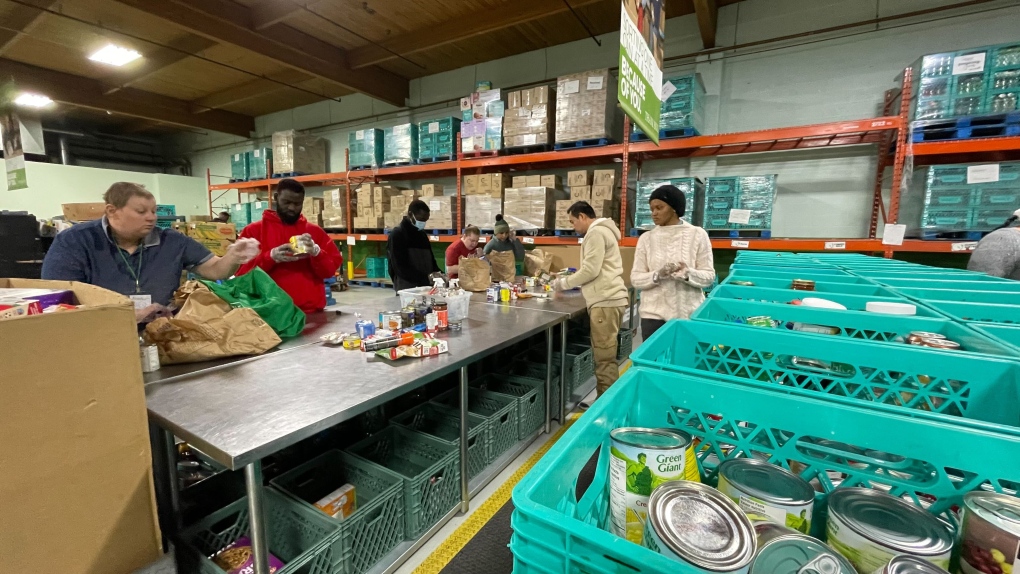
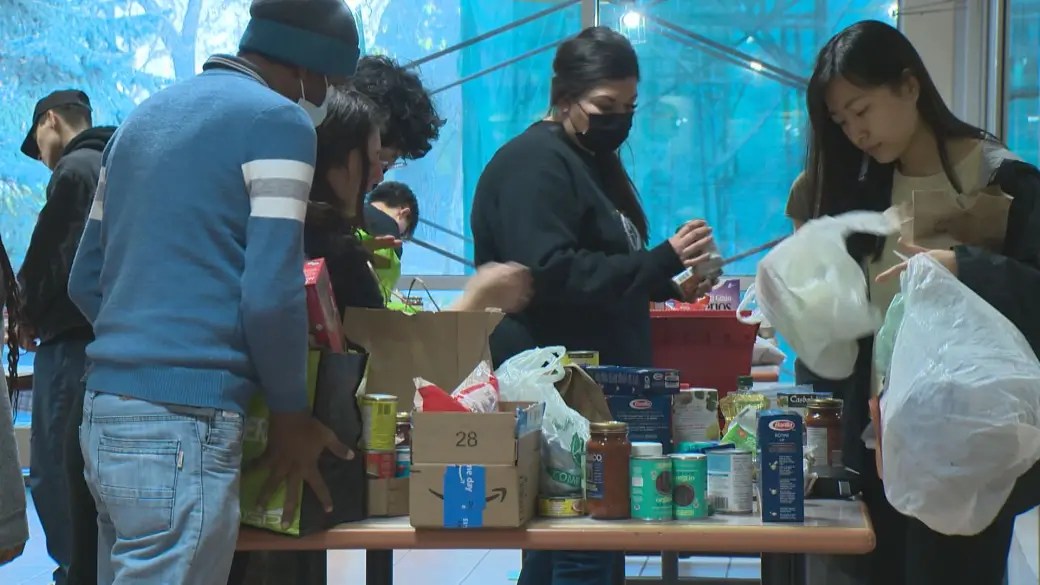




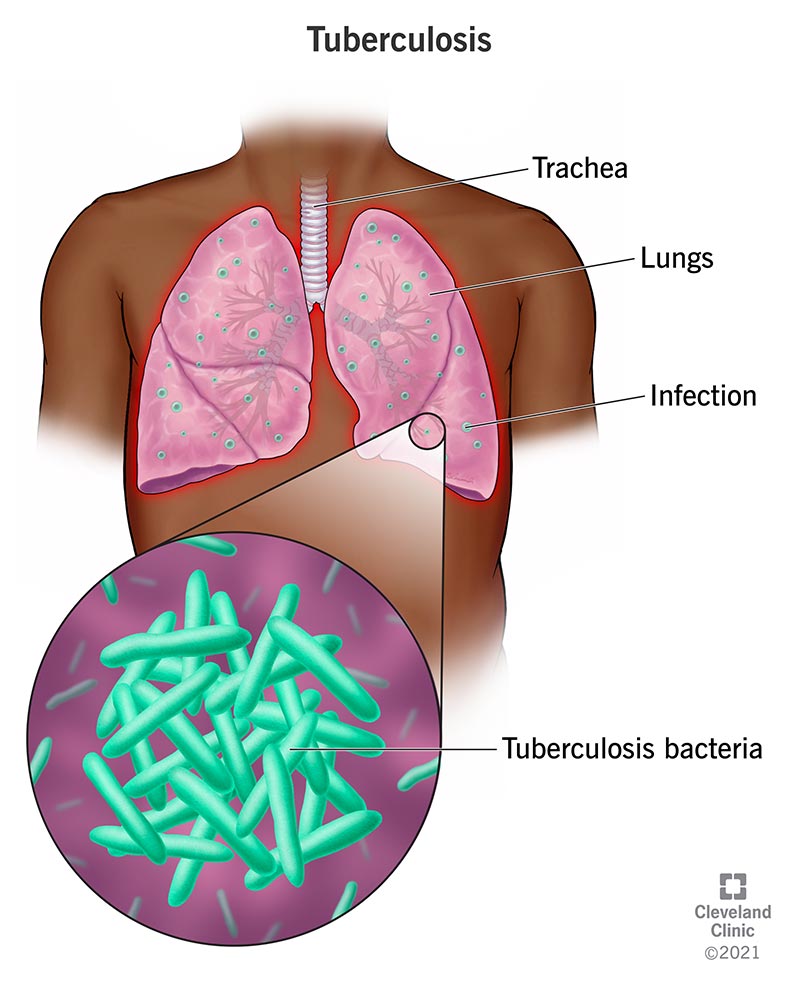
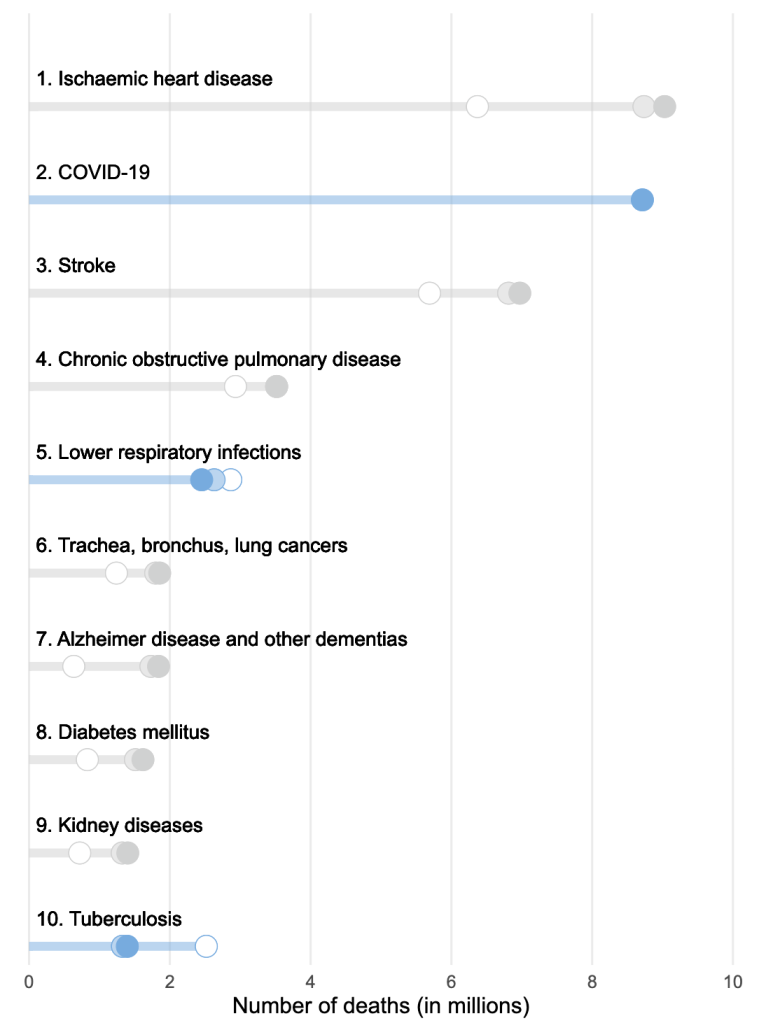
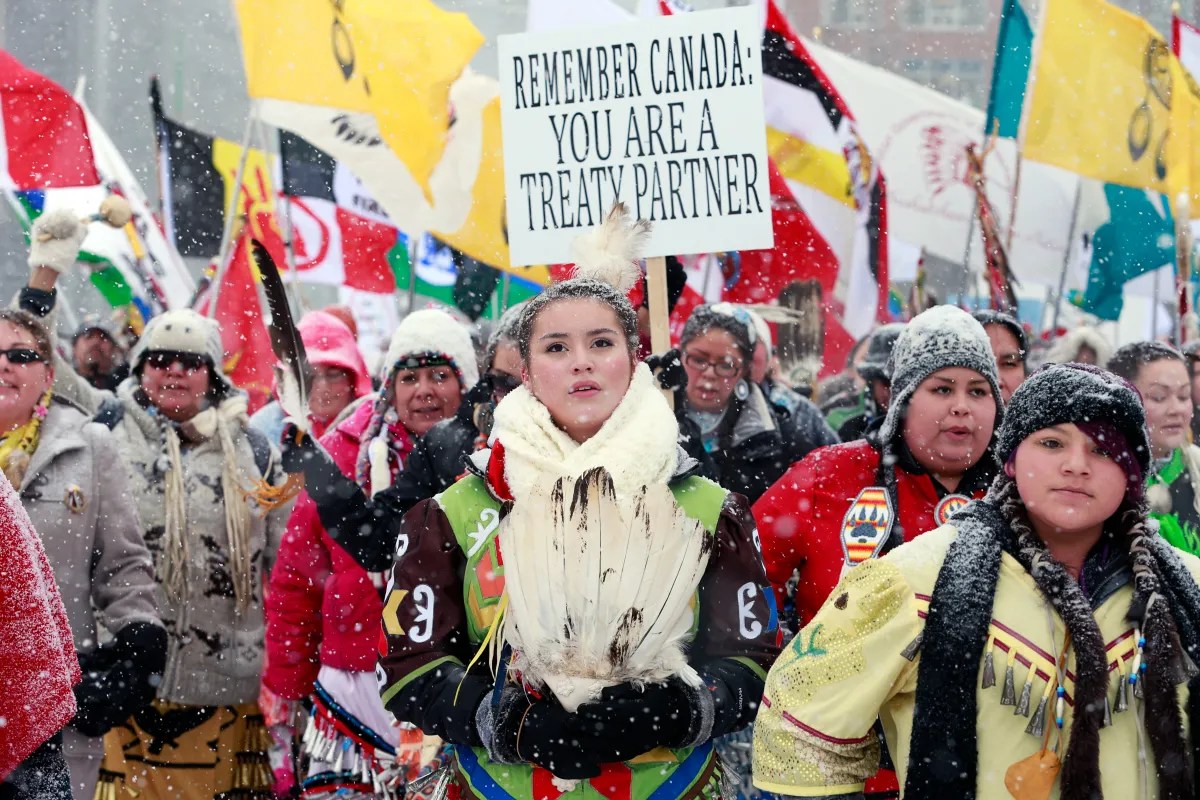
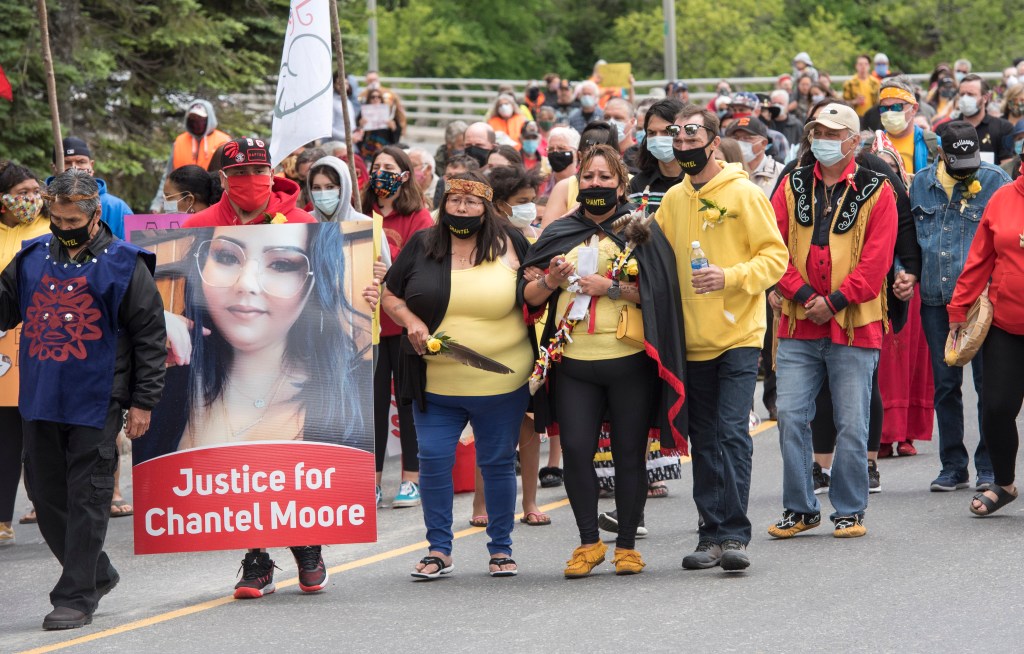


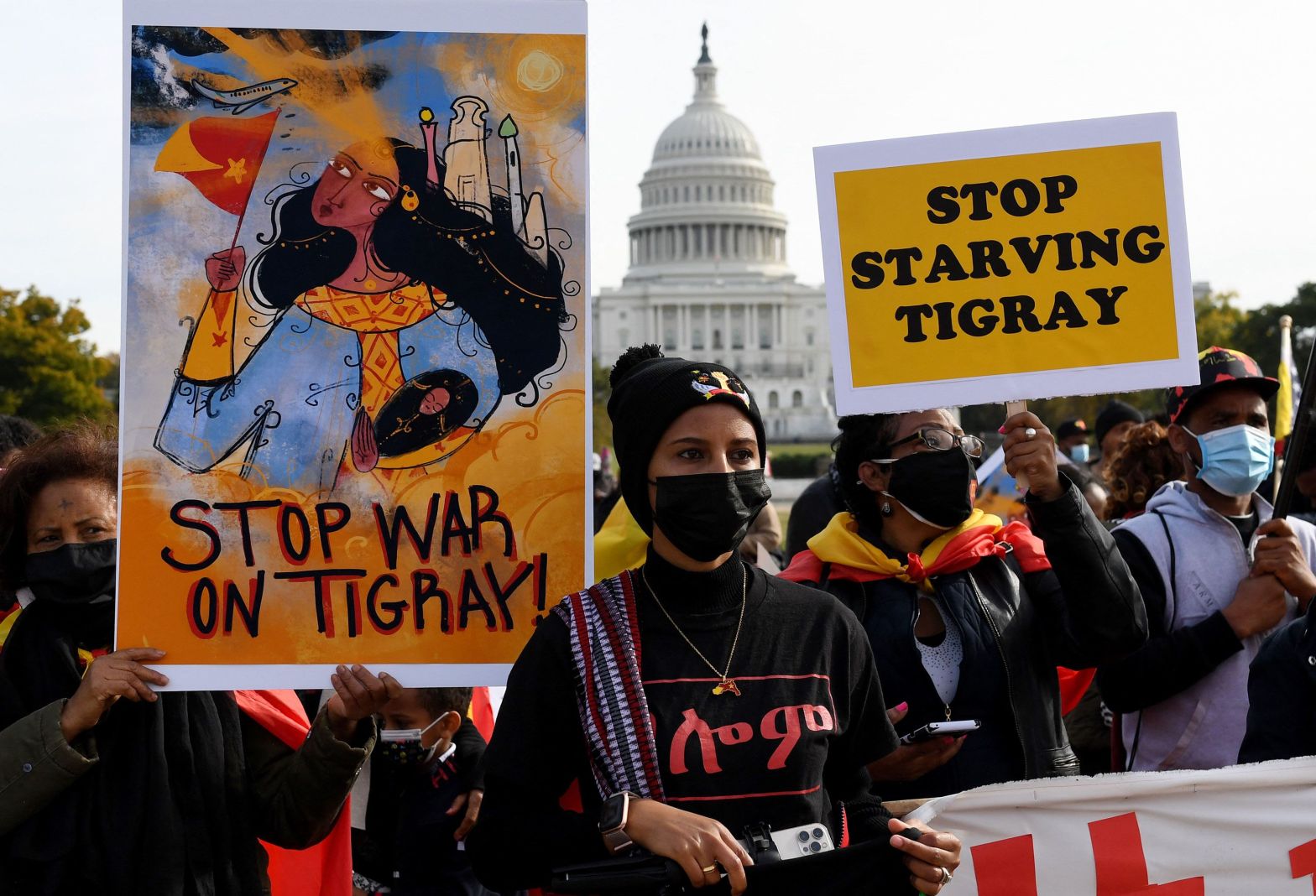


 Campus UNICEF