
One area that Canadian leaders are seeing a change in as we slowly enter into our next chapter of post-COVID is the rise of Canadians’ disagreement with the number of immigrants being allowed into the country. As Canada moves forward, how can we really move forward holistically? Not just from point A to B but where do we want to end up? Extreme circumstances can cause us to be short-sided when it comes to our next steps, but as a nation, who do we want to be? If Canada was a person, who would they be?
Category Archives: Healthcare
THE COVID-19 PANDEMIC EXPOSES THE NECESSITY OF FAST INTERNET SERVICE FOR RURAL STUDENTS
How Does Poor Internet Service Affect Rural Students? With the rise of the COVID-19 pandemic, universities and schools across the country were forced to shut down, sending millions of Canadian students back home. While these have been difficult times for all students as they deal with the unique challenges and unpredictable nature of online schooling,Continue reading “THE COVID-19 PANDEMIC EXPOSES THE NECESSITY OF FAST INTERNET SERVICE FOR RURAL STUDENTS”
COVID-19 IMMUNIZATION FOR THE HOMELESS: AN ABSOLUTE MUST FOR THE CANADIAN HEALTHCARE
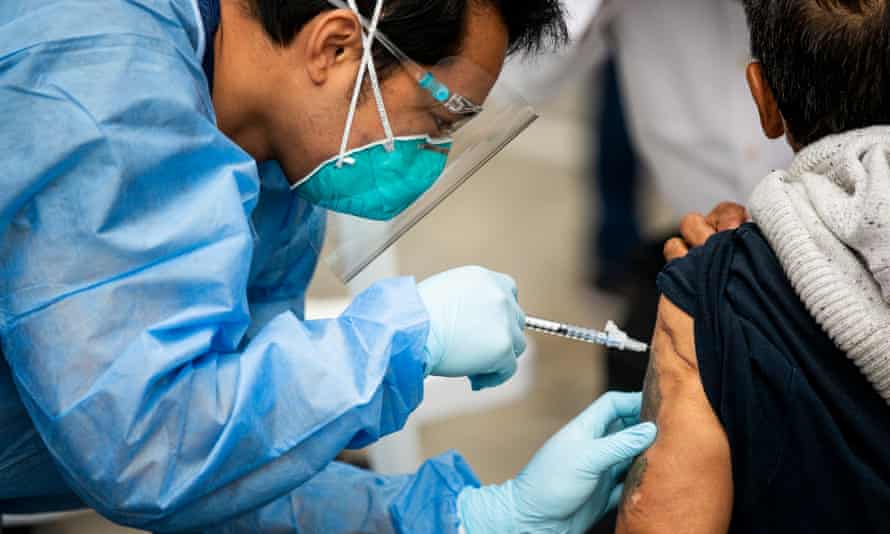
These days, every news channel you encounter is covering some aspect of the COVID-19 vaccine. One interesting but controversial topic is who should be given priority. On February 2, Canadian Alliance to End Homelessness and Canadian Network for the Health and Housing released a joint statement, advocating to prioritize COVID-19 immunization for people experiencing homelessness1. Should the homeless be given priority to the COVID-19 vaccine? For a plethora of reasons, the answer to this question should be an enthusiastic “yes”. The following will inform and inspire you to agree!
PART 2: HOW COVID-19 HAS WORSENED DISPARITIES AMONG HOMELESS WOMEN
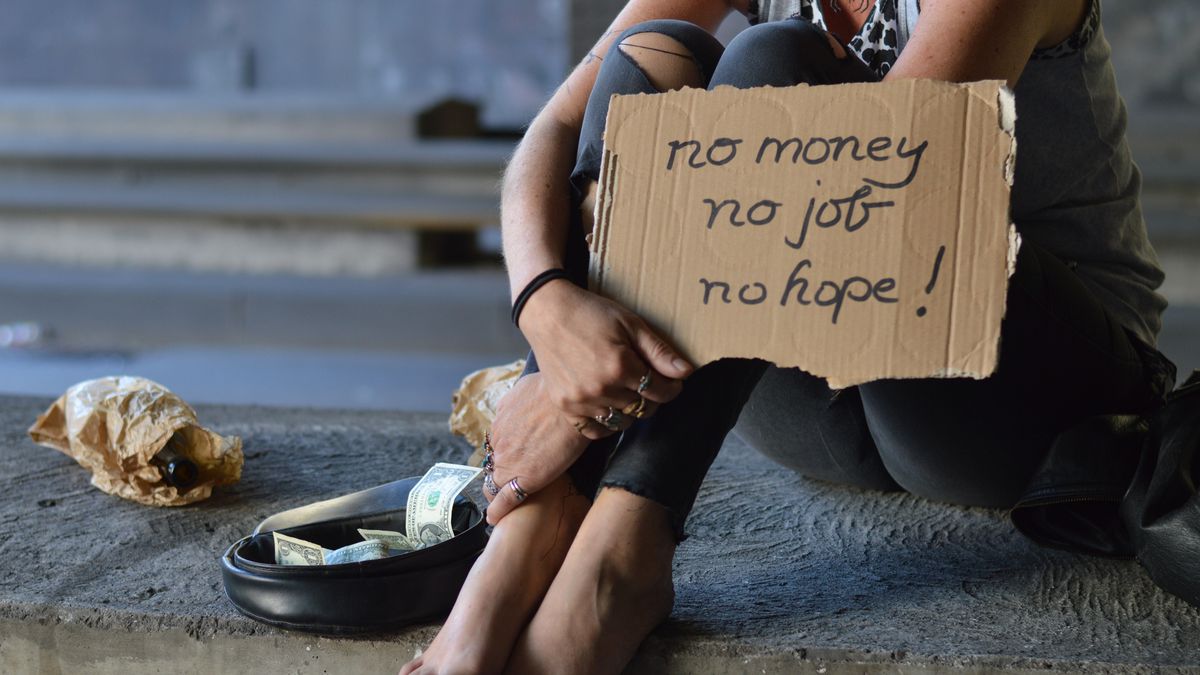
Through researching domestic violence and homelessness, I sought out a second shelter for insight on how these conditions affect cultural and religious minorities. In this blog, I had the privilege of engaging with Nisa Homes, where I spoke with a caseworker named Majeda. Majeda started by explaining how her role at the home was to work one on one with the incoming women, primarily regarding client referrals, and administration. Being a caseworker, Majeda is the one to receive the initial calls from women in need, and in a way, she is the bridge to the safe haven that is Nisa Homes for women.
HOW COVID-19 HAS WORSENED DISPARITIES AMONG HOMELESS WOMEN
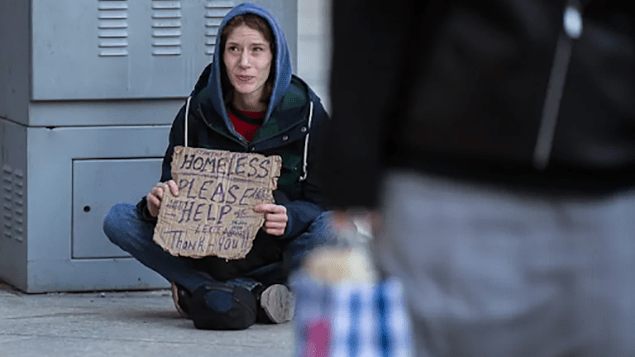
As often as we’d like to imagine “when this is all over”, we must admit that there is privilege in such a hopeful sentiment; the pretence that aside from the temporary health measures and minor inconveniences we’ve had to face, that the general aspects of our lives will soon return to their objective normal, is rooted in privilege and to an extent, misinformation. Economic decline, increased unemployment rates and shortages across the nation have all led to increased rates of homelessness, a condition that has unfortunately worsened in Canada and is found to have impacted minorities disproportionately. Today I shall discuss how the pandemic has disportionately impacted homeless women in Canada, who not only face oppression by class, but must also endure oppression by gender, as a result of the domestic violence that drives women out of their homes, threatening their survival. According to the World Health Organization, 1 in every 3 women will experience domestic abuse or violence at least once in their lifetime, and according to the Canadian Women’s foundation, on any given night in Canada, 3,491 women and their 2,724 children, must sleep in shelters because they face risks in their own homes. This, combined with the 70% of spousal violence that is not reported to the police (Canadian Women’s Foundation, 2018), makes it instinctively clear that the rates of family and gender based violence greatly impact the percentage of women who are a part of Canada’s homeless population today. To better understand the conditions these women must face, I sought out the leaders of two local long term women’s’ homeless shelters: WINGS of Providence, and Nisa Homes, both of which specialize in providing quality care and programming to women who have faced homelessness, domestic violence and food insecurity. In today’s blog, reflection will take place primarily through utilizing the WINGS’ coordinator’s experiences.
 Campus UNICEF