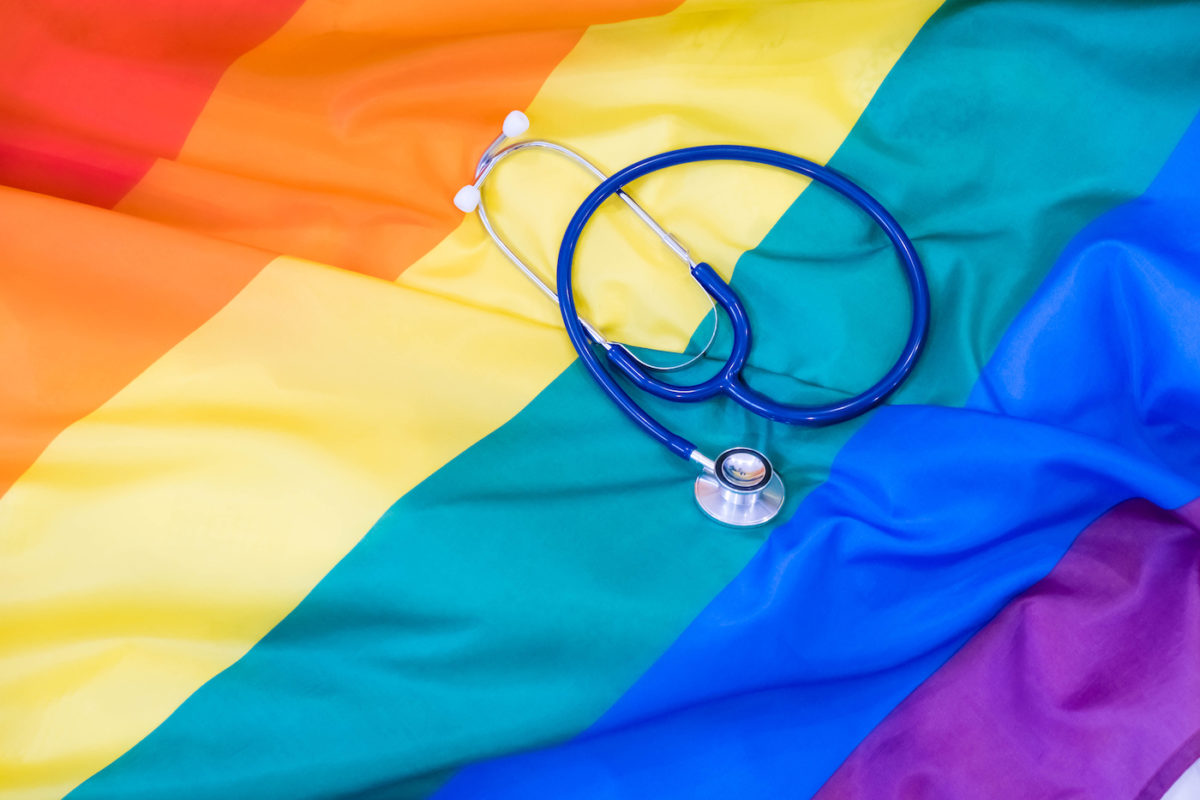
Until 1973, homosexuality was listed as a disorder in the Diagnostic and Statistical Manual of Mental Disorders. Although the evolution of our society has led to some understanding of the importance of protecting people from discrimination in healthcare settings, some clinicians still harbour harmful anti-LGBT attitudes. Healthcare professionals take an oath to “do no harm” when treating patients. If medics do not uphold this rule, how are they ensuring that absolutely no harm is being done? Creating an affirming and inclusive environment for the LGBTQ+ community requires a combination of understanding members as their own population whilst treating every LGBTQ+ person as a unique individual. This article highlights some strategies that current (and prospective) healthcare professionals can use to ensure that.
Category Archives: 2SLGBTQ+
HOMELESSNESS IN LGBTQ+ YOUTH

As much as we would like to believe that the discriminatory treatment of LGBTQ+ people has diminished in modern times, especially in progressive countries like Canada, we must remember that it hasn’t been too long since homosexuality was demedicalized and decriminalized. Discrimination against sexual minorities still prevails as suggested by the data from Statistics Canada: sexual minorities are violently victimized more often than their heterosexual counterparts. Similarly, such discrimination is also reflected in homelessness. According to a survey conducted in 2016, young people (aged 13-24) contribute to 20% of the Canadian homeless population, and of those, 29.5% identify as members of the LGBTQ+ community (Gaetz 6). This amount is almost as much as the contribution of Indigenous youth (30.6%) and is substantial considering that the LGBTQ+ community makes up a smaller population in Canada than the Indigenous community. The disproportionate representation of the homeless youth population by minorities suggests that there may be social factors causing this over-representation. This post focuses on sexual minorities, addressing the question, “what are the social causes behind LGBTQ+ youth homelessness, and what are the possible solutions to it?”
 Campus UNICEF