
1. Food Security Overview
Food security is a pressing issue in Edmonton, where many residents lack consistent access to affordable and nutritious food. Food security, defined as a state where everyone has “physical, social, and economic access to sufficient, safe, and nutritious food to meet dietary needs and food preferences for an active and healthy life” (Vital Signs 2023), encompasses more than mere access—it relates directly to the quality, cultural relevance, and dignity of that access.
Recent data paints a troubling picture of the food security landscape in Edmonton, and Alberta more broadly. Food insecurity rates in Alberta have surged from 12.3% in 2011 to 20.3% in 2022, indicating a substantial crisis (PROOF, 2022). This jump also highlights a concerning trend of deepening severity, as rates of severe food insecurity—where individuals are forced to skip meals, reduce portions, or go days without food—have more than doubled over the past decade, affecting 6.3% of Albertans (Vital Signs, 2023).
These rising numbers highlight the precarious position of many Edmontonians and Albertans concerning basic needs. Food security experts and community organizations in Edmonton identify several primary causes behind these increases: high inflation rates, climbing costs of living, and insufficient wage growth. In addition, the lasting impacts of the COVID-19 pandemic have exacerbated food insecurity by straining already limited resources and services, pushing many more families to seek food assistance (Vital Signs, 2023).
While food banks and charitable organizations work tirelessly to meet growing demand, these efforts alone are not enough to tackle the systemic and deep-rooted nature of this crisis. As community leaders in Edmonton have been emphasizing, addressing food insecurity requires a holistic approach that includes policy shifts, implementation of economic support, and recognition of food as a fundamental human right (Vaugeois and Kinsella, 2023).
2. Causes of Food Insecurity in Edmonton
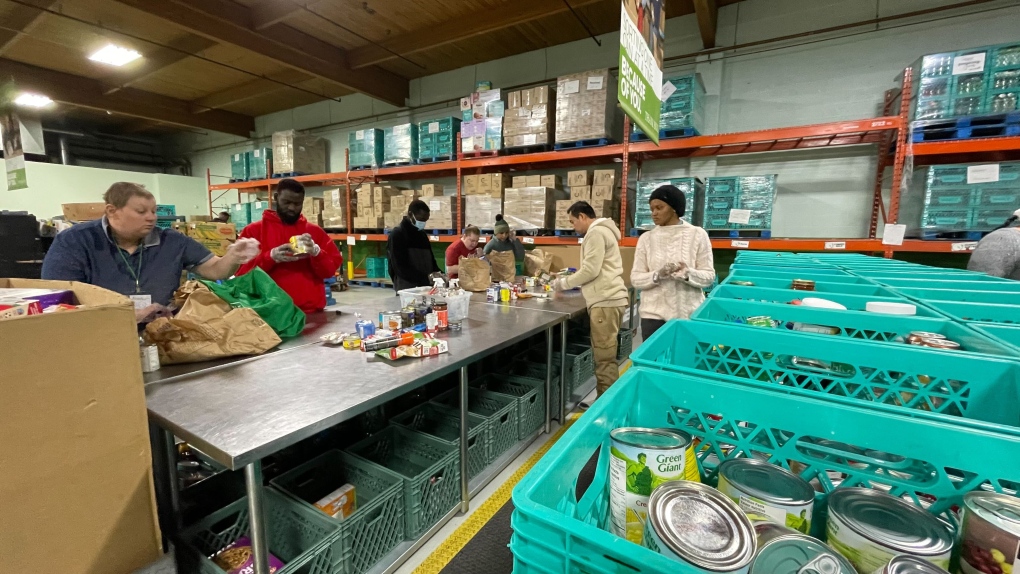
Food insecurity in Edmonton has grown substantially over the last decade, driven by a convergence of economic, social, and systemic factors. Below are some of the primary contributors identified by experts and local organizations.
2.1 Economic Factors
One of the most significant causes of food insecurity in Edmonton is economic instability, affecting food prices and access to basic resources. Inflation, particularly in Alberta, has been a major driver, with food costs rising by over 10% in 2022 alone, and further increases projected (Vital Signs, 2023). This increase makes it increasingly difficult for low- and middle-income households to afford essentials, as their wages often do not keep pace with these escalating costs. Additionally, housing expenses have surged. In 2022, the average monthly rent for a two-bedroom apartment in Edmonton was $1,304, leaving low-income families with limited resources for food after covering housing expenses. A healthy diet for a family of four is estimated to consume 40.7% of the monthly budget for low-income families, squeezing finances even further and putting essential items out of reach for many (Vital Signs, 2023).
2.2 Structural and Systemic Barriers
Beyond economic challenges, Edmonton faces deeper systemic barriers that contribute to food insecurity. Local organizations stress the need to address food sovereignty, which shifts the perspective of food from a commodity to a public good that all people have a right to access. This approach, however, requires policy support that recognizes food as a fundamental human right. Currently, food insecurity is often treated as a temporary emergency, rather than a systemic problem rooted in policy and social inequities (Vaugeois and Kinsella, 2023).
The over-reliance on food banks, which have become an integral yet overwhelming part of the city’s response, is another structural concern. Agencies argue that food banks, while necessary, cannot fully address the underlying issues leading to food insecurity, such as inadequate income support, and the lack of affordable housing. This persistent reliance on food banks has made them a stopgap measure, with demand only increasing. Edmonton’s food bank, for example, saw monthly service numbers double in recent years, with calls for government action to address these systemic causes (Vaugeois and Kinsella, 2023).
2.3 Employment and Income Inequality
Employment and income levels also contribute significantly to food insecurity in Edmonton. A minimum-wage worker, working 35 hours per week, earns approximately $23,000 annually after tax. With this income, meeting basic needs such as food and housing becomes a constant struggle, especially as Alberta’s estimated living wage is around $18.40 per hour (Vital Signs, 2023). This gap between earnings and the cost of living forces many Edmontonians to make difficult choices, often prioritizing rent or utilities over food.
The lack of affordable childcare, transportation costs, and precarious employment further compound these economic struggles, leaving many households on the brink of insecurity. For example, even middle-income households have increasingly turned to food banks to meet their needs, a trend emphasized by the Edmonton Food Bank’s report of more two-income households seeking food support than ever before (Kamal-Choufi, 2024).
In summary, food insecurity in Edmonton is an intersectional issue influenced by rising costs, systemic barriers, and income disparities. Addressing these causes requires targeted policies that provide sustainable support, such as affordable housing, accessible childcare, and fair wages, alongside long-term investments in food sovereignty and equity for all residents.
3. University and Student Struggles
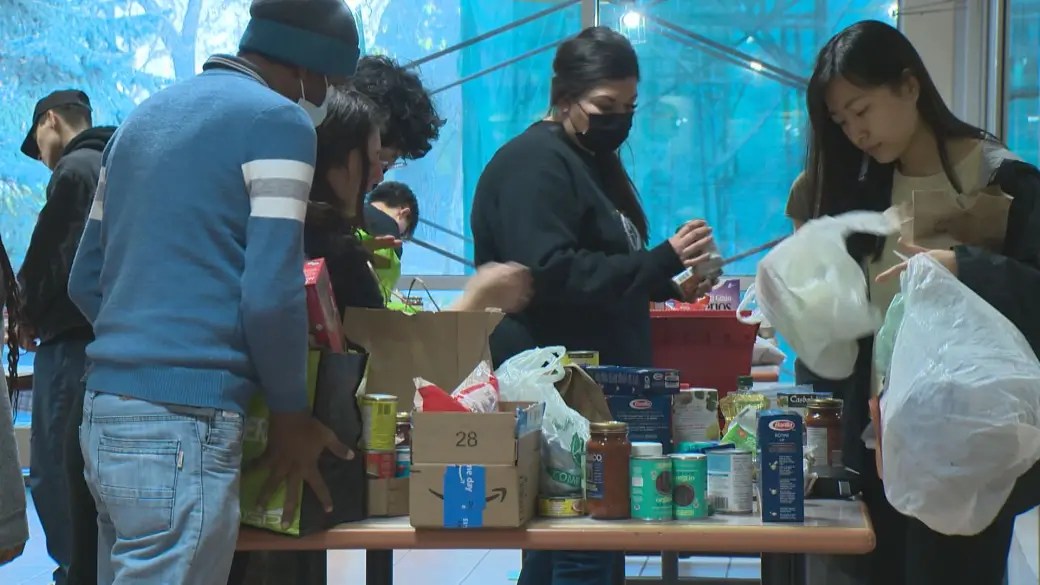
University students in Edmonton are facing significant food insecurity amid rising living costs. The University of Alberta’s Campus Food Bank reports unprecedented demand, currently spending almost as much per month as it once did annually, with a budget increase of $400,000 over the past five years (Ahmed, 2024). Erin O’Neil, the food bank’s executive director, explained that the food bank is stretched thin, with over 1,100 visits during peak months, and is becoming increasingly dependent on community donations to sustain operations (Ahmed, 2024).
Rising tuition and housing costs have pushed many students into poverty, with food insecurity as one consequence. Vice President External of the University of Alberta Students’ Union, Abdul Abbasi, noted that housing expenses are one of the main reasons students turn to food banks, compounded by tuition increases that began in 2020 following the provincial government’s decision to lift the tuition freeze (Kamal-Choufi, 2024; Lavallee-Koenig, 2023). Tuition at the University of Alberta has since risen by 26.5%, with MacEwan University following closely with a 21% increase (Lavallee-Koenig, 2023). The combination of escalating rent, tuition, and inflation has left students struggling to meet basic needs.
Increased tuition costs are paired with cuts in provincial funding to universities, which dropped by $220 million at the University of Alberta alone, resulting in reduced academic resources and student support services (Lavallee-Koenig, 2023). These changes have impacted educational outcomes, with Chris Beasley, Vice President External of the University of Alberta Students’ Union, remarking that “it is not the university that it was in 2019” (Lavallee-Koenig, 2023). Many students are relying on loans to afford their education, and the number of students accessing provincial student loans has risen by 47% over five years, with cumulative student loan debt now exceeding $1.26 billion in Alberta (French, 2024).
As the need for food banks grows, leaders of campus food banks and student unions call on government bodies to address student poverty and food insecurity directly. Erin O’Neil emphasized that food insecurity affects learning and mental well-being, particularly among students earning under $35,000 annually, many of whom are graduate students struggling to support themselves and their families (Ahmed, 2024). Campus leaders urge both federal and provincial governments to enact policies that reduce student expenses, such as rent assistance and increased funding for higher education, which would alleviate the burden on food banks and promote student success (Kamal-Choufi, 2024; Ahmed, 2024).

4. Community Responses and Grassroots Efforts
In Edmonton, where food insecurity continues to grow amid rising living costs and systemic inequalities, local community groups have stepped up to address these challenges directly. Grassroots organizations and initiatives are playing an increasingly vital role in supporting Edmontonians by offering not just emergency food relief, but also pathways toward sustainable food access and education.
One notable example is “Lady Flower Gardens,” a community-driven initiative that provides vulnerable Edmontonians with an opportunity to engage in gardening. This initiative allows participants from marginalized communities to grow, harvest, and distribute fresh produce, while also learning essential skills around food sovereignty and cultivation (Vital Signs, 2023). Such efforts have proven beneficial not only for food access, but also for building social connections, physical health, and food literacy within communities.
Another model of support is Edmonton’s network of community hubs, which facilitate food distribution while offering wrap-around services to meet the complex needs of those experiencing food insecurity. For instance, initiatives like the “C5 Pantry” provide dignified food access by allowing individuals to choose items that best suit their needs, rather than standard food hampers that may not align with dietary or cultural preferences. These hubs emphasize choice and respect, aiming to provide food with dignity, which, as research suggests, can mitigate the stigma often associated with food bank use (Vaugeois and Kinsella, 2023).
However, grassroots organizations face significant challenges, including volunteer shortages, funding restrictions, and burnout among staff and volunteers. As demand for services grows, so does the strain on the limited resources available to these organizations. Many grassroots leaders have voiced the need for greater collaboration between agencies, calling on the municipal and provincial governments to provide support that enables these groups to better coordinate and distribute resources (Vaugeois and Kinsella, 2023).
In response to these challenges, Edmonton’s food support organizations advocate for policies that prioritize local food production, affordable housing, and income assistance. They also call for a shift in funding models to ease restrictions on how grants can be used, which would empower smaller grassroots organizations to scale their impact. The Edmonton Food Bank, for example, has formed partnerships with community groups to broaden its reach, but could further benefit from streamlined processes and reduced bureaucratic hurdles that limit collaborative efforts (Vaugeois and Kinsella, 2023).
Grassroots responses to food insecurity in Edmonton showcase the importance of locally tailored solutions and community resilience. By centering their efforts on dignity, cultural appropriateness, and long-term food security, Edmonton’s grassroots organizations are building a foundation for a food system that values the well-being of all Edmontonians.

5. Government Role and Policy Changes
Food security in Edmonton requires a multidimensional policy approach, especially as current government support systems struggle to meet rising needs. Both provincial and federal governments are increasingly called upon to implement sustainable solutions to alleviate food insecurity, with local advocates urging a shift from temporary assistance to long-term structural reform.
5.1 Funding Gaps and the Demand for Immediate Relief
Edmonton’s food banks are seeing unprecedented demand, with institutions like the University of Alberta’s campus food bank experiencing a 600% increase in clients over the past five years, especially as the cost of living surges (Kamal-Choufi, 2024). Leaders at these food banks, such as Edmonton Food Bank’s Tamisan Bencz-Knight, call on the provincial and federal governments for urgent financial intervention. They argue that increased government funding could support institutions like the University of Alberta, reducing the need for food banks to meet basic student needs (Kamal-Choufi, 2024).
5.2 Adopting a Rights-Based Approach to Food
The Agenda 2030 report emphasizes that access to food is a fundamental human right. This perspective aligns with the International Covenant on Economic, Social, and Cultural Rights (ICESCR), which asserts that every individual has the right to adequate food, housing, and an improved standard of living (Vaugeois and Kinsella, 2023). It also relates to the United Nations’s Sustainable Development Goal #2 of Zero Hunger which aims to achieve food security. Local advocates argue that without a policy shift towards recognizing food as a right, poverty and food insecurity will persist. This rights-based approach requires not just funding but also legislative reforms to enshrine food access and affordability as essential components of public welfare.
5.3 Policy Recommendations: Rent and Income Assistance
One immediate policy solution proposed by Food Banks Canada and local organizations is rent assistance for low-income households. Rising housing costs are a significant factor driving food insecurity, as families often have to choose between paying rent and purchasing food. Additionally, advocates propose a monthly income supplement for low-income individuals and families to help balance rising costs of living and offset food expenses (Kamal-Choufi, 2024). These measures could reduce the dependency on food banks by addressing one of the root causes of food insecurity—insufficient income to cover essential living costs.
5.4 Decentralizing Food Assistance and Empowering Local Solutions
Community leaders in Edmonton recommend reallocating government funds to support grassroots organizations, which often provide more tailored and culturally appropriate food assistance. For example, as mentioned earlier, community food hubs like Lady Flower Gardens allow Edmontonians to cultivate their own food while building local food literacy and resilience (Vital Signs, 2023). However, funding constraints and restrictive grant requirements hinder these initiatives. Advocates call for more flexible funding mechanisms that accommodate grassroots organizations, allowing them to address unique community needs effectively (Vaugeois and Kinsella, 2023).
5.5 Moving Towards a Sustainable Food Economy
For sustainable, long-term food security, policy experts advocate shifting the focus from emergency food provision to investing in a local food economy. This shift would include supporting urban farming, community gardens, and local farmers’ markets to improve access to fresh, nutritious food while also stimulating Edmonton’s economy. Furthermore, policies should incentivize local food production and reduce barriers for small-scale producers, who play a crucial role in building a resilient food system for the community (Vaugeois and Kinsella, 2023).
In summary, a sustainable approach to food security in Edmonton requires coordinated actions at multiple levels of government. By recognizing food as a right, providing income and rent support, empowering local initiatives, and fostering a local food economy, Edmonton can work towards an inclusive and resilient food system that addresses the root causes of food insecurity.

6. Implications and Path Forward
Food insecurity in Edmonton has far-reaching implications, affecting health, economic stability, and social cohesion within the community. Addressing these issues requires a shift from short-term solutions to a more sustainable, rights-based approach.
6.1 Health Implications
Food insecurity in Edmonton, as in many parts of Canada, has significant and sometimes hidden health impacts. Individuals who lack consistent access to nutritious food often experience both short-term and long-term health issues. Short-term effects can include hypoglycemia, fatigue, and impaired cognitive function, which impact daily functioning (Precker, 2021). Over time, the lack of adequate nutrition contributes to the development of chronic diseases, including diabetes, cardiovascular disease, and obesity, which further exacerbates health inequalities. This situation becomes especially dire as food insecurity often leads people to opt for low-cost, calorie-dense foods, which are typically lacking in essential nutrients (Precker, 2021).
Children in food-insecure households are also affected, as studies show they are at greater risk for poor health and developmental issues. For instance, a Canadian study found that children who experienced recurrent hunger were more likely to suffer from poor health outcomes compared to their food-secure peers (Precker, 2021). Additionally, food insecurity is linked with mental health issues, increasing stress, anxiety, and depression. This mental toll is compounded by the “toxic stress” experienced when individuals are forced to choose between basic needs like food and housing, which is common in food-insecure households (Precker, 2021).
6.2 Social and Economic Costs
The economic impact of food insecurity is substantial. Food-insecure households face increased healthcare costs due to health challenges they experience. This creates a ripple effect, putting additional strain on the healthcare system and reducing overall economic productivity. For instance, households forced to allocate most of their income to food and rent lack the resources for other essentials like medications, transportation, or childcare, which can further hinder their economic mobility and well-being (Vaugeois and Kinsella, 2023).
Households facing food insecurity are often part of a cycle that includes low income, poor health, and limited access to adequate resources. This cycle not only impacts individual households but also places a larger burden on Edmonton’s healthcare system. Research has shown that households with higher levels of food insecurity are much more likely to incur significant healthcare costs. For example, a study found that healthcare costs for individuals in severely food-insecure households were 76% higher than those in food-secure households (Tarasuk et al., 2015). This is because food insecurity is associated with more frequent hospital visits, increased use of emergency services, and greater reliance on prescriptions for managing chronic conditions.
When people lack the resources to maintain a healthy diet, they are more likely to experience poorer health outcomes, which in turn leads to greater healthcare spending by public systems. Addressing food insecurity through sustainable interventions, such as income support and rent assistance, could significantly reduce healthcare costs over time, creating a healthier and more economically stable community (Tarasuk et al., 2015).
6.3 Moving Forward
Achieving long-term food security requires a coordinated effort across policy, community, and individual levels. By fostering a collaborative approach that unites government, community organizations, and individuals, Edmonton can work towards a future where all citizens have reliable access to affordable, nutritious food. The solutions are complex and require structural changes, but with a strong commitment to equity, local sustainability, and community-driven initiatives, Edmonton can reduce food insecurity and enhance the overall resilience of its community.
Works Cited
Ahmed, A. (2024, September 3). Campus Food Bank seeing record-setting need ahead of fall semester. CTV Edmonton. https://edmonton.ctvnews.ca/campus-food-bank-seeing-record-setting-need-ahead-of-fall-semester-1.7022957
French, J. (2024, March 26). The number of Alberta post-secondary students relying on provincial loans is ballooning. CBC News. https://www.cbc.ca/news/canada/edmonton/the-number-of-alberta-post-secondary-students-relying-on-provincial-loans-is-ballooning-1.7155405
Kamal-Choufi, H. (2024, October 29). Need for U of a food bank soars amid rising food insecurity, increased cost of living. CityNews Edmonton. https://edmonton.citynews.ca/2024/10/28/rising-food-insecurity-amid-cost-of-living-crisis/
Lavallee-Koenig, A. (2024, January 3). University students fall through cracks as costs multiply. Taproot Edmonton. https://edmonton.taproot.news/news/2023/12/20/university-students-fall-through-cracks-as-costs-multiply#:~:text=Since%202020%2C%20MacEwan%20has%20increased,University%20of%20Alberta%20Student’s%20Union.
Precker, M. (2022, January 3). Food insecurity’s long-term health consequences. heart.org. https://www.heart.org/en/news/2021/09/22/food-insecuritys-long-term-health-consequences
PROOF. (2024, September 17). How many Canadians are affected by household food insecurity?https://proof.utoronto.ca/food-insecurity/how-many-canadians-are-affected-by-household-food-insecurity/#:~:text=Based%20on%20the%20data%20from,some%20level%20of%20food%20insecurity.
Tarasuk, V., Cheng, J., de Oliveira, C., Dachner, N., Gundersen, C., & Kurdyak, P. (2015). Association between household food insecurity and annual health care costs. Canadian Medical Association Journal, 187(14). https://doi.org/10.1503/cmaj.150234
Vaugeois, R., & Kinsella, J. (2022, September 12). Agenda 2030: Edmonton Food Security Report. Righting Relations. https://rightingrelations.org/resource/agenda-2030-edmonton-food-security-report/Vital Signs. (2023, September). Vital topic: Food security in our time. Edmonton Community Foundation. https://ecf.ca/learning/vital-signs/september-2023/
Featured Image obtained from: Bon Appetit
Writer: Manat Sindhu
 Campus UNICEF